Tegula brunnea
Brown Tegula
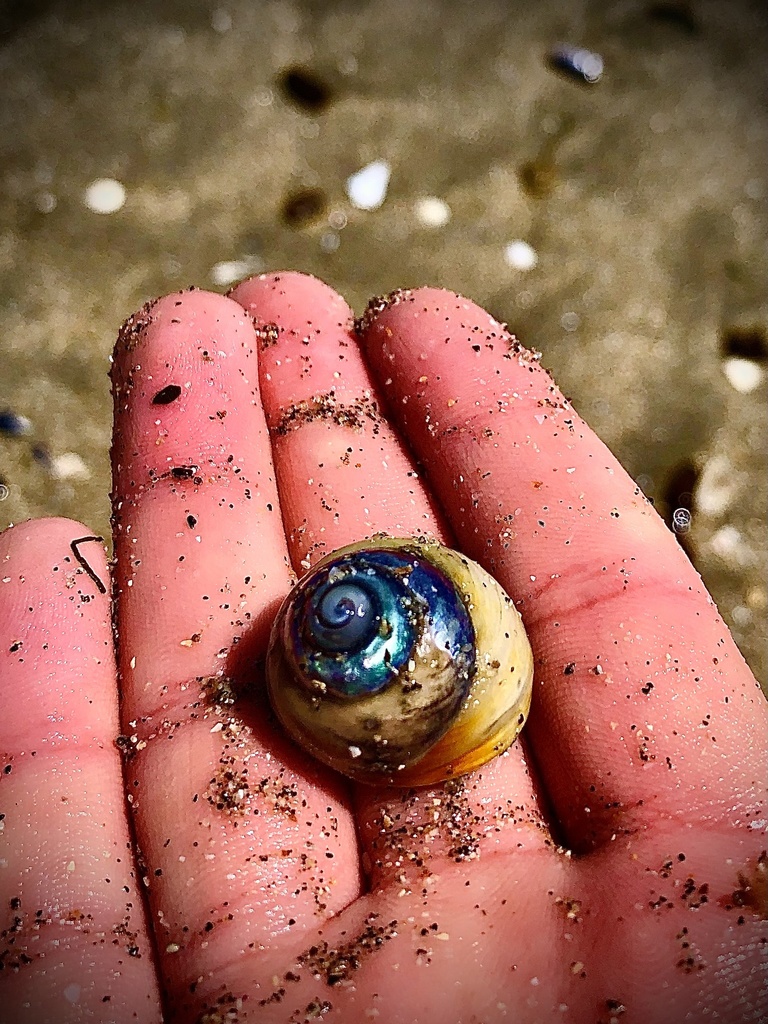
(c) Parsa Fard, some rights reserved (CC BY) · licence
Family: Tegulidae · Class: Gastropoda · Order: Trochida
Tegula brunnea (Brown Tegula) is a California animal in the Tegulidae family.
The brown tegula (Tegula brunnea) is a marine gastropod mollusk in the family Tegulidae, commonly found along the rocky intertidal zones of the California coast. This conical snail typically measures 15 to 30 mm (0.6 to 1.2 inches) in height and diameter, with a distinctive brown to chocolate-colored shell that may display lighter spiral bands or mottled patterns. The shell features a moderately elevated spire with 5 to 6 whorls and a nacreous interior that appears iridescent when viewed under light. The species can be distinguished from the more common black tegula (T. funebralis) by its lighter brown coloration and slightly smaller size. Brown tegula occurs along the Pacific coast from British Columbia to Baja California, with populations documented throughout California's coastal waters. The species is particularly abundant in central and northern California, including areas around San Francisco Bay and extending northward to Humboldt County. According to California Department of Fish and Wildlife habitat mapping, brown tegula populations are present in rocky intertidal environments from Mendocino County south to at least San Luis Obispo County. This species inhabits exposed rocky shores, wave-cut platforms, and boulder fields in the mid to low intertidal zone, typically at elevations from mean lower low water to approximately 2 meters (6.5 feet) above mean sea level. Brown tegula are commonly associated with kelp forest ecosystems, where they graze on both giant kelp (Macrocystis pyrifera) and bull kelp (Nereocystis luetkeana). The species shows a preference for areas with moderate to heavy wave action and is frequently found in crevices and under rocky overhangs that provide protection from desiccation during low tides. Brown tegula are herbivorous grazers that feed primarily on marine algae, including kelp, coralline algae, and various microalgal films that coat rock surfaces. They use their radula, a rasping feeding organ, to scrape algae from hard substrates. The species exhibits typical gastropod reproduction, with separate sexes releasing gametes into the water column for external fertilization. Spawning typically occurs during warmer months, and larvae undergo a planktonic stage before settling and metamorphosing into juvenile snails. Brown tegula can live for several years and play an important ecological role as both herbivores controlling algal growth and as prey for various predators including sea stars, crabs, and birds. Currently, brown tegula has no federal or state conservation listing and appears to maintain stable populations throughout its range as of December 2025. However, like many intertidal species, brown tegula faces potential threats from climate change impacts including ocean acidification, rising sea temperatures, and changing storm patterns that could alter their rocky intertidal habitat. The species may also be affected by coastal development, pollution, and human collection pressure in accessible areas. Long-term monitoring through programs such as the Multi-Agency Rocky Intertidal Network helps track population trends and habitat conditions for this and other rocky intertidal species.
Classification
Class: Gastropoda · Order: Trochida · Family: Tegulidae
Frequently asked questions
How is Tegula brunnea classified?
Tegula brunnea belongs to class Gastropoda, order Trochida, family Tegulidae.
What family does Tegula brunnea belong to?
Tegula brunnea is in the Tegulidae family.
What is Tegula brunnea?
The brown tegula (Tegula brunnea) is a marine gastropod mollusk in the family Tegulidae, commonly found along the rocky intertidal zones of the California coast.
Is Tegula brunnea found in California?
Yes. Tegula brunnea is recorded in California in The California Species Project's catalogue.
Related species
Other California species in the same genus, family, or bioregion.
Data from The California Species Project — 14,000+ California species with verified data from CNPS, CDFW, USFWS, and more.