Tenellia flavovulta
Yellow-head Aeolid
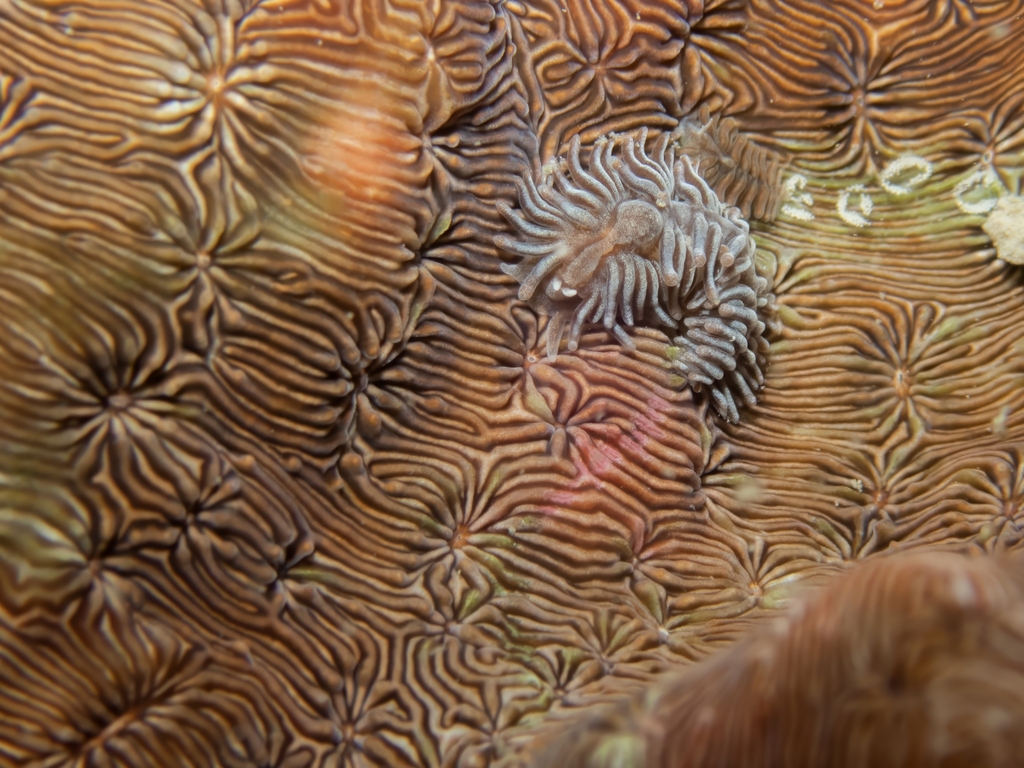
no rights reserved · CC0
Family: Trinchesiidae · Class: Gastropoda · Order: Nudibranchia
Tenellia flavovulta (Yellow-head Aeolid) is a California animal in the Trinchesiidae family.
Tenellia flavovulta, commonly known as the yellow-head aeolid, is a small marine nudibranch gastropod mollusk in the family Trinchesiidae. This sea slug species belongs to the diverse order Nudibranchia, characterized by external gills and lack of a shell in adult forms. Like other aeolid nudibranchs, T. flavovulta possesses cerata - finger-like projections extending from its back that function in respiration and digestion. The species name 'flavovulta' likely refers to yellow coloration on the head region, though detailed morphological descriptions remain limited in available literature. The current distribution and range of Tenellia flavovulta are not well documented in readily accessible scientific sources. Many nudibranch species have restricted ranges along specific coastlines, and members of the genus Tenellia are typically found in temperate marine waters. Without specific locality records, the presence of this species in California waters cannot be definitively confirmed, though the genus occurs along the Pacific Coast. Habitat requirements for T. flavovulta have not been thoroughly documented in available literature. Aeolid nudibranchs typically inhabit intertidal and shallow subtidal zones, often associated with specific prey organisms. Many species in the family Trinchesiidae are found on rocky substrates, in tide pools, or among algae and marine vegetation. They generally prefer areas with adequate water circulation and access to their cnidarian prey. The feeding ecology of Tenellia flavovulta likely follows patterns typical of aeolid nudibranchs, which are specialized predators of cnidarians including hydroids, anemones, or coral polyps. These nudibranchs consume their prey's stinging cells (nematocysts) and transport them through the digestive system to the tips of their cerata, where they are stored for defense - a process called kleptocnidae. Reproductive behavior in aeolids typically involves hermaphroditic mating, with individuals laying spiral egg masses on hard surfaces. Development proceeds through a planktonic larval stage before settling and metamorphosing into the adult form. The conservation status of Tenellia flavovulta is not established through standard assessment protocols. As of December 2025, this species does not appear on federal or California state endangered species lists, nor has it been evaluated by the International Union for Conservation of Nature. Many marine invertebrates, particularly small, cryptic species like nudibranchs, lack comprehensive population assessments due to limited taxonomic expertise and survey effort. Climate change, ocean acidification, and coastal development may pose threats to nudibranch populations, but specific impacts on T. flavovulta are unknown. Scientific documentation for this species remains extremely limited. The information presented here represents what can be inferred from general knowledge of aeolid nudibranch biology and taxonomy. Detailed studies of morphology, distribution, ecology, and conservation needs are lacking. We welcome contributions of verified scientific data, photographs, or field observations to enhance this species account.
Classification
Class: Gastropoda · Order: Nudibranchia · Family: Trinchesiidae
Frequently asked questions
How is Tenellia flavovulta classified?
Tenellia flavovulta belongs to class Gastropoda, order Nudibranchia, family Trinchesiidae.
What family does Tenellia flavovulta belong to?
Tenellia flavovulta is in the Trinchesiidae family.
What is Tenellia flavovulta?
Tenellia flavovulta, commonly known as the yellow-head aeolid, is a small marine nudibranch gastropod mollusk in the family Trinchesiidae.
Is Tenellia flavovulta found in California?
Yes. Tenellia flavovulta is recorded in California in The California Species Project's catalogue.
Related species
Other California species in the same genus, family, or bioregion.
Data from The California Species Project — 14,000+ California species with verified data from CNPS, CDFW, USFWS, and more.