Tenellia lagunae
Laguna Beach Aeolid
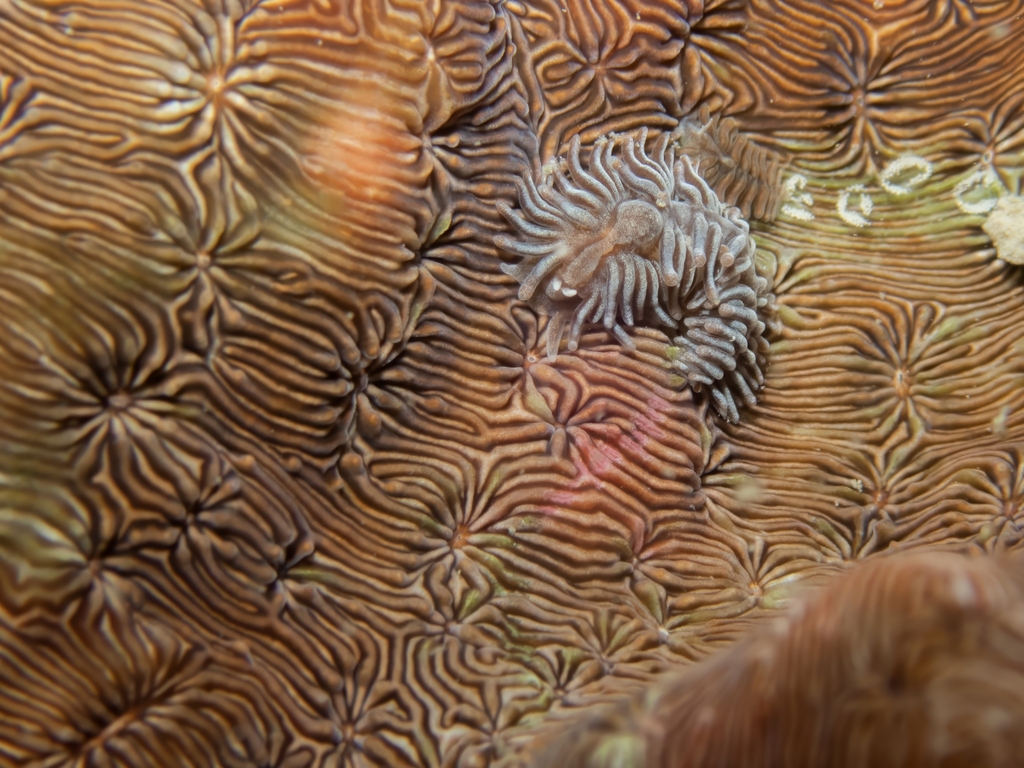
no rights reserved · CC0
Family: Trinchesiidae · Class: Gastropoda · Order: Nudibranchia
Tenellia lagunae (Laguna Beach Aeolid) is a California animal in the Trinchesiidae family.
Tenellia lagunae, commonly known as the Laguna Beach Aeolid, is a small marine nudibranch mollusk endemic to the Southern California coast. This sea slug belongs to the family Trinchesiidae within the order Nudibranchia, characterized by its soft body and external respiratory structures called cerata. The Laguna Beach Aeolid displays the typical aeolid body plan, with an elongated, translucent body bearing numerous finger-like cerata arranged in clusters along the dorsal surface. The cerata contain extensions of the digestive system and serve both respiratory and defensive functions. The head bears two pairs of sensory tentacles: rhinophores for detecting chemical cues and oral tentacles for tactile exploration. Coloration and specific morphological details of this species remain poorly documented in the scientific literature. This nudibranch has an extremely restricted range, known only from the rocky intertidal and shallow subtidal zones of Laguna Beach in Orange County, California. The species was first described from specimens collected in this limited coastal area, and subsequent surveys have not documented its occurrence elsewhere along the California coast. This narrow endemism makes it particularly vulnerable to local environmental changes. Tenellia lagunae inhabits rocky intertidal pools and adjacent shallow subtidal rocky reefs, typically at depths less than 10 meters. The species appears to prefer areas with moderate to high wave exposure, where it can be found among encrusting organisms on rock surfaces. The specific microhabitat requirements and substrate preferences of this species have not been thoroughly studied. Like other aeolid nudibranchs, T. lagunae likely feeds on cnidarians such as hydroids or small anemones, using its radula to scrape tissue from prey. Aeolids are known for their ability to sequester stinging cells (nematocysts) from their cnidarian prey and incorporate them into their cerata for defense. Reproductive biology, seasonal activity patterns, and lifespan of the Laguna Beach Aeolid remain largely undocumented. Most nudibranchs are hermaphroditic and lay spiral egg masses on hard surfaces, but specific details for this species are lacking. The conservation status of Tenellia lagunae has not been formally assessed by state or federal agencies. However, its extremely limited range makes it inherently vulnerable to habitat degradation, coastal development, pollution, and climate change impacts such as ocean acidification and warming. The rocky intertidal habitat at Laguna Beach faces pressure from urban development, recreational activities, and altered wave patterns. Without comprehensive population surveys or monitoring programs, the current status and population trends of this endemic nudibranch remain unknown. The species would benefit from detailed ecological studies and habitat protection measures to ensure its long-term survival.
Classification
Class: Gastropoda · Order: Nudibranchia · Family: Trinchesiidae
Frequently asked questions
How is Tenellia lagunae classified?
Tenellia lagunae belongs to class Gastropoda, order Nudibranchia, family Trinchesiidae.
What family does Tenellia lagunae belong to?
Tenellia lagunae is in the Trinchesiidae family.
What is Tenellia lagunae?
Tenellia lagunae, commonly known as the Laguna Beach Aeolid, is a small marine nudibranch mollusk endemic to the Southern California coast.
Is Tenellia lagunae found in California?
Yes. Tenellia lagunae is recorded in California in The California Species Project's catalogue.
Related species
Other California species in the same genus, family, or bioregion.
Data from The California Species Project — 14,000+ California species with verified data from CNPS, CDFW, USFWS, and more.