Terastia meticulosalis
Erythrina Stem Borer
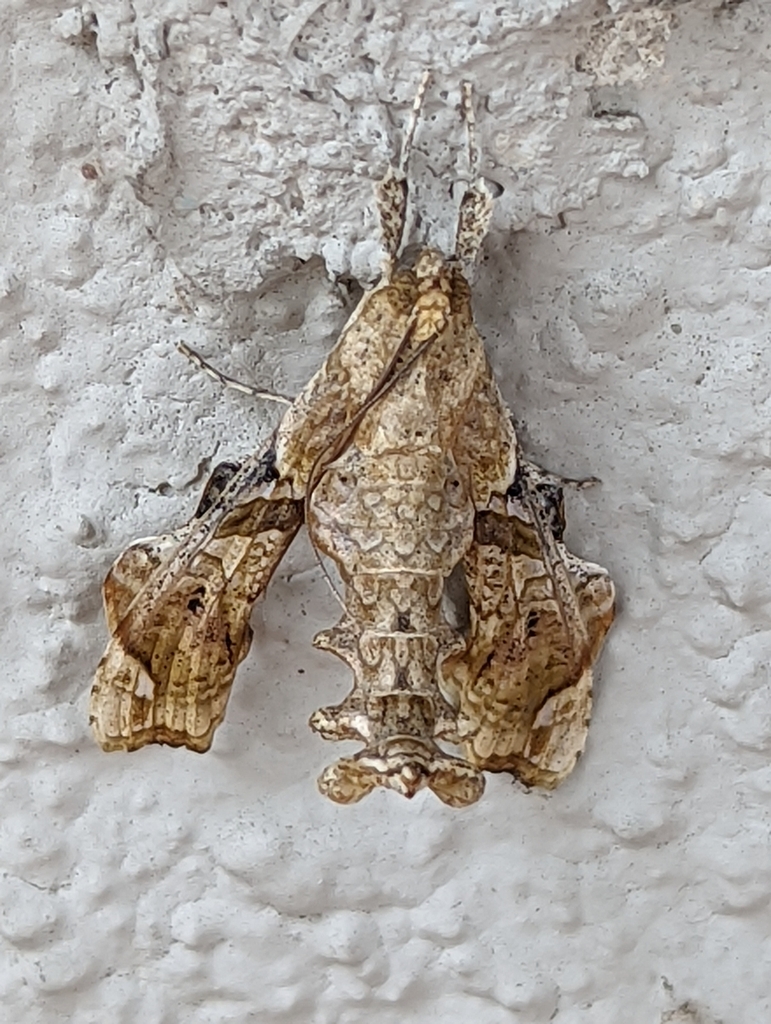
(c) Tom and T Herman, some rights reserved (CC BY) · licence
Family: Crambidae · Class: Insecta · Order: Lepidoptera
Terastia meticulosalis (Erythrina Stem Borer) is a California animal in the Crambidae family.
The Erythrina Stem Borer is a small moth in the family Crambidae, subfamily Spilomelinae. Adults have forewings measuring 16.5 to 23 mm in length (BugGuide 2025). The species exhibits typical crambid moth characteristics with narrow forewings and relatively broad hindwings. Wing coloration and patterns allow for identification, though detailed morphological descriptions remain limited in the scientific literature. Terastia meticulosalis is the only species in the genus Terastia found in North America north of Mexico (BugGuide 2025). This tropical species ranges northward into the United States from Florida to California (BugGuide 2025). The species occurs throughout much of the southern United States, with documented populations across the Gulf Coast states and extending westward into the southwestern United States. In California, the species represents part of a broader distribution that spans multiple states along the southern tier of the country. The species inhabits areas where its host plants occur, primarily in warm climates suitable for tropical and subtropical vegetation. Elevation preferences and specific microhabitat requirements have not been well documented in the scientific literature. The moth's distribution appears closely tied to the presence of Erythrina species, which serve as the primary larval host plants. Larvae feed specifically on plants in the genus Erythrina (family Fabaceae), earning the species its common name (Moth Photographers Group 2025). According to taxonomic sources, larvae feed on both seeds and stems of Erythrina plants (Shropshire & Douglas 2025). Some sources indicate larvae also utilize pods (Powell & Opler 2009). Adult flight periods vary geographically, with most records occurring from July to September in northern portions of the range (BugGuide 2025). In Florida, adults fly year-round, while Arizona populations begin their first flight in June (BugGuide 2025). This variation reflects the species' adaptation to different climatic conditions across its range. The species shows seasonal activity patterns typical of many tropical moths that have expanded their range northward. Reproductive biology and detailed life cycle information remain incompletely documented. The relationship between larvae and Erythrina host plants suggests potential agricultural or horticultural significance, particularly given that some Erythrina species are cultivated as ornamental plants. No federal or state conservation listing status has been assigned to Terastia meticulosalis. Population trends and conservation concerns have not been systematically assessed. The species' broad distribution across multiple states suggests stable populations, though specific demographic data are lacking. Recent taxonomic work has examined the species' status in California, indicating ongoing scientific interest in understanding its distribution and potential impacts (Sourakov et al. 2022). As a specialist herbivore dependent on Erythrina host plants, the species' conservation status likely correlates with the availability and management of its host plant resources across its range.
Classification
Class: Insecta · Order: Lepidoptera · Family: Crambidae
Frequently asked questions
How is Terastia meticulosalis classified?
Terastia meticulosalis belongs to class Insecta, order Lepidoptera, family Crambidae.
What family does Terastia meticulosalis belong to?
Terastia meticulosalis is in the Crambidae family.
What is Terastia meticulosalis?
The Erythrina Stem Borer is a small moth in the family Crambidae, subfamily Spilomelinae.
Is Terastia meticulosalis found in California?
Yes. Terastia meticulosalis is recorded in California in The California Species Project's catalogue.
Related species
Other California species in the same genus, family, or bioregion.
Data from The California Species Project — 14,000+ California species with verified data from CNPS, CDFW, USFWS, and more.