Thallophaga hyperborea
Northern Thallophaga
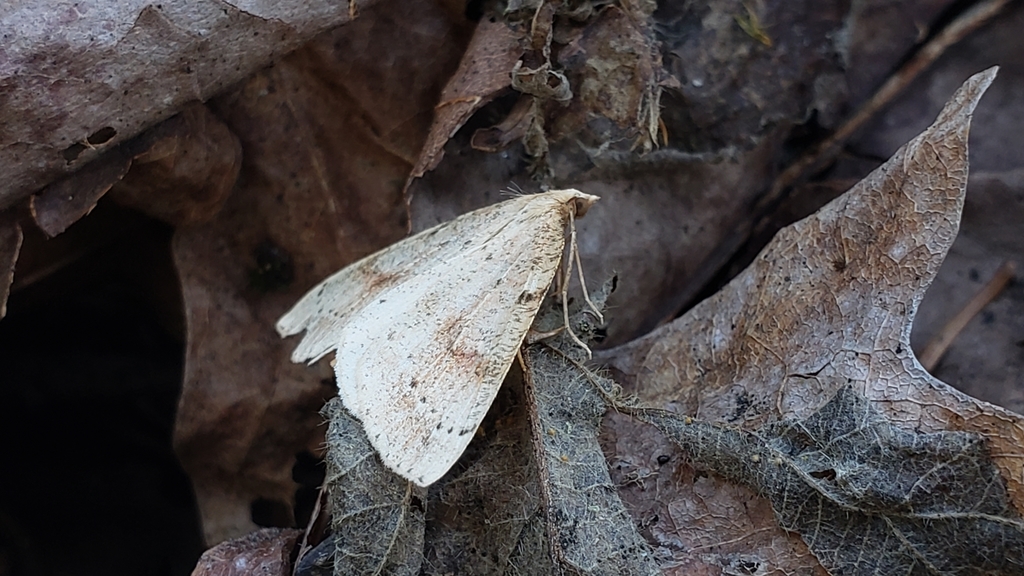
(c) Gavin Slater, some rights reserved (CC BY) · licence
Family: Geometridae · Class: Insecta · Order: Lepidoptera
Thallophaga hyperborea (Northern Thallophaga) is a California animal in the Geometridae family.
Thallophaga hyperborea is a geometrid moth in the family Geometridae, representing one of the northern species within the genus Thallophaga. This species is assigned Hodges number 6809 in the standard North American moth classification system. Limited documentation exists regarding specific morphological characteristics, though like other members of the genus, it likely displays the typical geometrid wing patterns and body structure adapted for its northern distribution. The species occurs across northern regions of North America, with documented records from various western states. According to lepidopterist survey data, T. hyperborea has been recorded in Washington state, specifically from the San Juan Islands where it was documented as a state record for Washington from West Beach, Orcas Island in April 2018 (Lepidopterists' Society 2019). The species appears to have a broader distribution across northern latitudes, as suggested by its specific epithet "hyperborea," which typically denotes northern or arctic distribution patterns. Specific habitat requirements for T. hyperborea remain poorly documented in the scientific literature. Based on collection records from the Pacific Northwest, the species appears to inhabit coastal and island environments, though its full habitat preferences across its range have not been comprehensively studied. The timing of the April collection record suggests the species may be active during early spring months, though seasonal activity patterns require further documentation. Ecological information including host plant associations, larval biology, and adult feeding behaviors has not been well documented for this species. The lack of detailed life history information reflects the broader challenge in studying northern geometrid moths, many of which have limited observation records and restricted accessibility due to their remote habitats. Adult flight periods and reproductive ecology remain areas requiring additional research. T. hyperborea does not appear on federal or state endangered species lists, and no specific conservation status has been assigned to this species. However, the limited documentation and apparent rarity of collection records suggest that population status and trends are unknown. The species has been included in some state wildlife conservation assessments as a Species of Greatest Conservation Need in certain jurisdictions, though this designation reflects data deficiency rather than documented population decline (BugGuide). Climate change impacts on northern moth species represent a potential conservation concern, as warming temperatures may affect the specialized climatic conditions that northern species require. The geographic isolation of some populations, particularly on islands, could make local populations vulnerable to habitat changes or extreme weather events. Scientific documentation for T. hyperborea remains limited despite its recognition in taxonomic literature. Enhanced survey efforts in northern regions and systematic study of Thallophaga species biology would contribute valuable information for understanding this moth's ecological role and conservation needs.
Classification
Class: Insecta · Order: Lepidoptera · Family: Geometridae
Frequently asked questions
How is Thallophaga hyperborea classified?
Thallophaga hyperborea belongs to class Insecta, order Lepidoptera, family Geometridae.
What family does Thallophaga hyperborea belong to?
Thallophaga hyperborea is in the Geometridae family.
What is Thallophaga hyperborea?
Thallophaga hyperborea is a geometrid moth in the family Geometridae, representing one of the northern species within the genus Thallophaga.
Is Thallophaga hyperborea found in California?
Yes. Thallophaga hyperborea is recorded in California in The California Species Project's catalogue.
Related species
Other California species in the same genus, family, or bioregion.
Data from The California Species Project — 14,000+ California species with verified data from CNPS, CDFW, USFWS, and more.