Thamnophis marcianus
Checkered Gartersnake
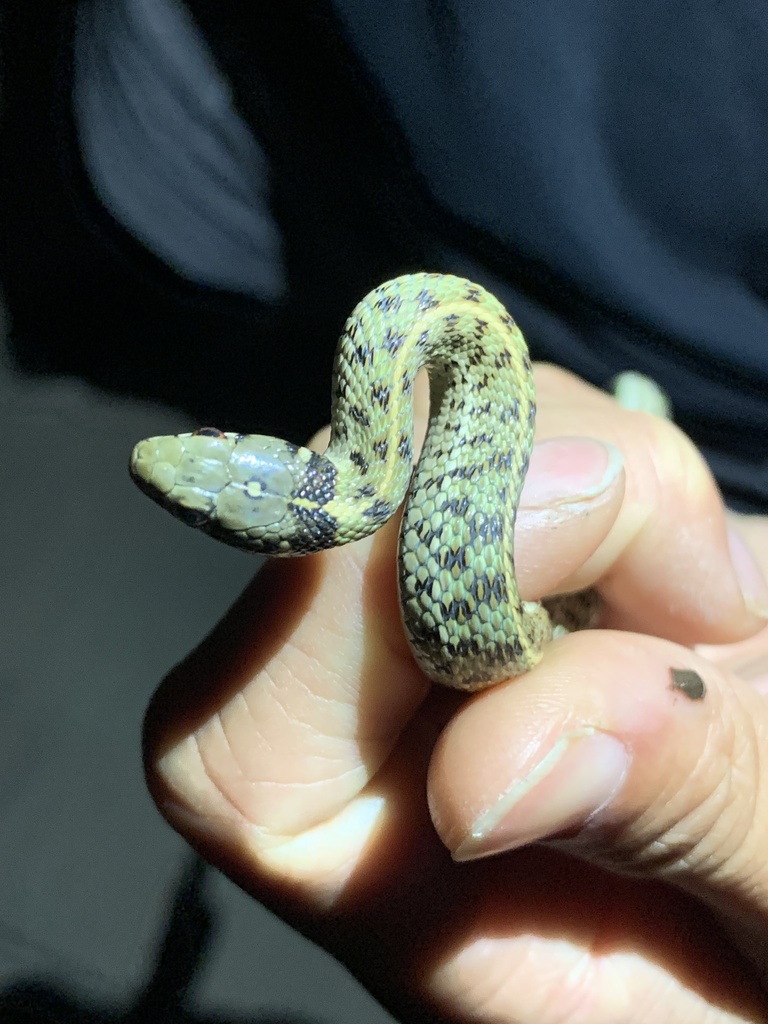
no rights reserved · CC0
Family: Colubridae · Class: Reptilia · Order: Squamata
Thamnophis marcianus (Checkered Gartersnake) is a California animal in the Colubridae family.
The checkered gartersnake (Thamnophis marcianus) is a medium-sized, semi-aquatic snake belonging to the family Colubridae. Adults typically measure 46 to 107 centimeters (18 to 42 inches) in total length, with females generally larger than males. The species displays a distinctive checkered pattern of black spots arranged between light-colored dorsal and lateral stripes. The dorsal stripe is typically cream, yellow, or orange, while two prominent light-colored stripes run along each side of the body. The ground color ranges from olive to brown, and the ventral surface varies from cream to pale blue with or without darker markings. In California, the checkered gartersnake occurs exclusively in the southeastern portion of the state, limited to areas along the Colorado River and within the Imperial Valley in Imperial and Riverside counties. This represents the westernmost extent of the species' range, which extends eastward through southern Arizona, much of New Mexico, Texas, Oklahoma, southern Kansas, and into northern Mexico. The California populations are considered peripheral to the species' core distribution. Checkered gartersnakes inhabit semi-arid grasslands and desert environments, typically in proximity to permanent or seasonal water sources. In California, they are found near streams, rivers, irrigation ditches, and irrigated croplands within desert regions. Unlike many other gartersnake species, checkered gartersnakes are primarily nocturnal, becoming most active during nighttime hours when temperatures are cooler and humidity levels are higher. This species exhibits opportunistic feeding behavior, consuming a varied diet that includes amphibians, fish, earthworms, and occasionally small mammals. Reproduction is ovoviviparous, with females giving birth to live young rather than laying eggs. Mating typically occurs in spring, and females produce litters ranging from 6 to 25 young in late summer or early fall. Juveniles measure approximately 15 to 20 centimeters (6 to 8 inches) at birth and display similar coloration patterns to adults. Currently, the checkered gartersnake holds no federal or state listing status in California. The species is not considered threatened or endangered, though its limited range within the state makes California populations potentially vulnerable to habitat modification. Primary threats include agricultural conversion, water diversions, and urbanization within the Colorado River corridor and Imperial Valley. Climate change may pose additional challenges through altered precipitation patterns and increased temperatures in an already arid environment. The species' nocturnal habits and association with irrigated agriculture may provide some resilience against habitat changes, as irrigation systems can substitute for natural water sources in desert environments.
Classification
Class: Reptilia · Order: Squamata · Family: Colubridae
Frequently asked questions
How is Thamnophis marcianus classified?
Thamnophis marcianus belongs to class Reptilia, order Squamata, family Colubridae.
What family does Thamnophis marcianus belong to?
Thamnophis marcianus is in the Colubridae family.
What is Thamnophis marcianus?
The checkered gartersnake (Thamnophis marcianus) is a medium-sized, semi-aquatic snake belonging to the family Colubridae.
Is Thamnophis marcianus found in California?
Yes. Thamnophis marcianus is recorded in California in The California Species Project's catalogue.
Related species
Other California species in the same genus, family, or bioregion.
Data from The California Species Project — 14,000+ California species with verified data from CNPS, CDFW, USFWS, and more.