Thomomys bottae operarius
Owens Lake Pocket Gopher
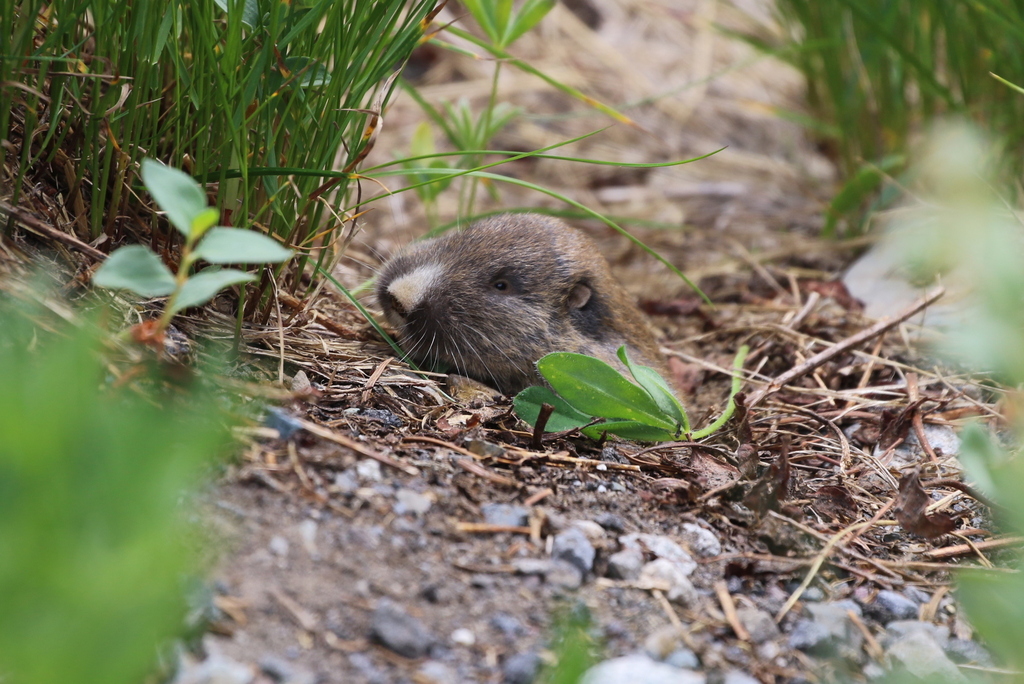
no rights reserved · CC0
Family: Geomyidae · Class: Mammalia · Order: Rodentia
Conservation status: G5T1? S1?
Thomomys bottae operarius (Owens Lake Pocket Gopher) is a California animal in the Geomyidae family.
The Owens Lake pocket gopher (Thomomys bottae operarius) is a subspecies of Botta's pocket gopher endemic to the Owens Valley region of eastern California. This small, fossorial rodent exhibits the typical pocket gopher morphology with a robust, cylindrical body adapted for underground life. Adults possess prominent front claws for digging, small eyes and ears, and fur-lined cheek pouches used for carrying food and nesting materials. The subspecies displays the brownish-gray coloration characteristic of Botta's pocket gophers, with variations reflecting the local soil conditions of their habitat. The Owens Lake pocket gopher occurs exclusively in the Owens Valley of Inyo County, California, with its range centered around the historic Owens Lake area. This subspecies represents one of the most geographically restricted populations within the Thomomys bottae complex. The distribution appears to be limited to specific soil types and elevations within this isolated valley system, making it particularly vulnerable to habitat modifications. This subspecies inhabits the alkaline soils and desert scrub communities characteristic of the Owens Valley floor. The species constructs extensive burrow systems in well-drained soils, typically in areas supporting sparse vegetation adapted to the region's arid conditions and elevated salinity levels. The habitat consists primarily of Great Basin scrub vegetation, including saltbush, greasewood, and other halophytic plant communities that have adapted to the valley's unique edaphic conditions. Like other pocket gophers, T. b. operarius is a solitary, herbivorous mammal that spends most of its life underground. The species feeds primarily on the roots, bulbs, and underground portions of desert plants, storing excess food in specialized chambers within their burrow systems. Breeding likely occurs in spring, with females producing one to two litters annually. The extensive tunnel systems serve multiple functions including foraging corridors, food storage, nesting chambers, and protection from predators and extreme temperatures. The conservation status of the Owens Lake pocket gopher reflects the precarious nature of many endemic subspecies in California's desert regions. With a global rank of G5T1?, this subspecies is considered critically imperiled, indicating extremely high risk of extinction. The state rank of S1? similarly reflects the critical conservation concern at the state level. The primary threats to this subspecies include habitat modification from water diversions that have dramatically altered the Owens Valley ecosystem, urban development, agricultural conversion, and potential genetic isolation due to the small population size and restricted range. The historic desiccation of Owens Lake and associated changes in soil chemistry and vegetation communities may have significantly impacted available habitat. Climate change poses additional threats through altered precipitation patterns and increased temperatures that could further stress the already limited suitable habitat. The subspecies' extremely restricted range makes it particularly vulnerable to catastrophic events and local extinctions, emphasizing the need for careful habitat management and population monitoring within the Owens Valley region.
Classification
Class: Mammalia · Order: Rodentia · Family: Geomyidae
Conservation status
G5T1? S1?
Frequently asked questions
How is Thomomys bottae operarius classified?
Thomomys bottae operarius belongs to class Mammalia, order Rodentia, family Geomyidae.
What family does Thomomys bottae operarius belong to?
Thomomys bottae operarius is in the Geomyidae family.
Is Thomomys bottae operarius protected or of conservation concern?
Thomomys bottae operarius carries the following status: G5T1? S1?.
What is Thomomys bottae operarius?
The Owens Lake pocket gopher (Thomomys bottae operarius) is a subspecies of Botta's pocket gopher endemic to the Owens Valley region of eastern California.
Is Thomomys bottae operarius found in California?
Yes. Thomomys bottae operarius is recorded in California in The California Species Project's catalogue.
Related species
Other California species in the same genus, family, or bioregion.
Data from The California Species Project — 14,000+ California species with verified data from CNPS, CDFW, USFWS, and more.