Thordisa bimaculata
Two-spotted Dorid
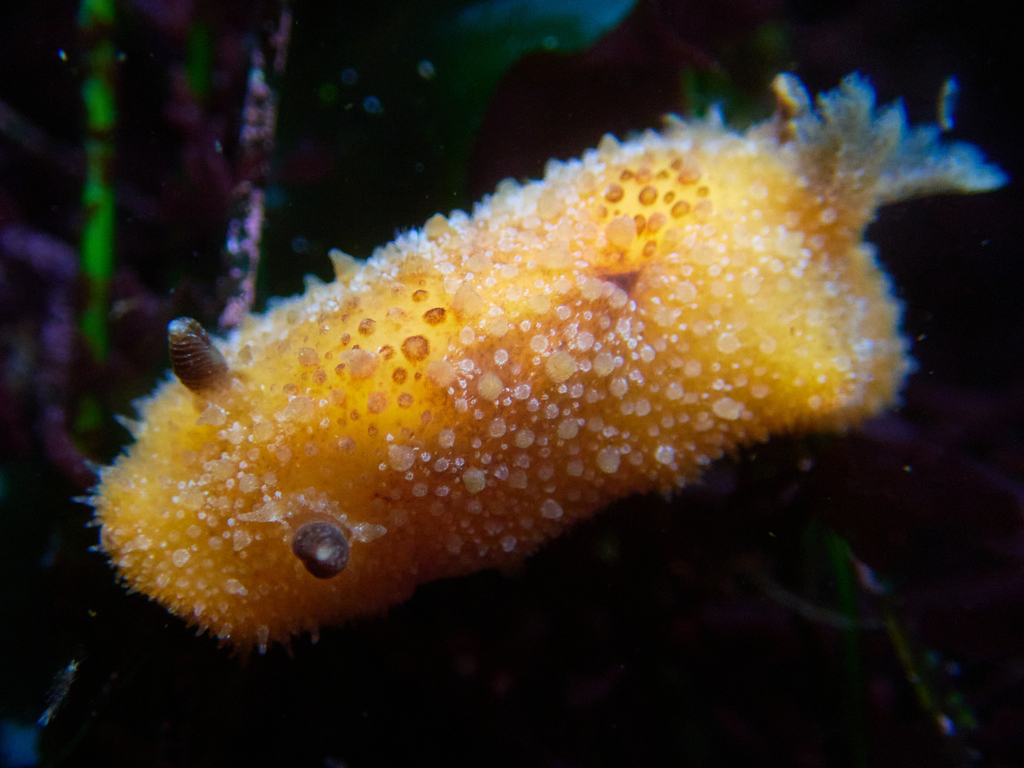
(c) Ken-ichi Ueda, some rights reserved (CC BY) · licence
Family: Discodorididae · Class: Gastropoda · Order: Nudibranchia
Thordisa bimaculata (Two-spotted Dorid) is a California animal in the Discodorididae family.
Thordisa bimaculata, commonly known as the two-spotted dorid or two-spot thordis, is a marine gastropod mollusk in the family Discodorididae. This nudibranch species belongs to the order Nudibranchia, a diverse group of soft-bodied sea slugs known for their exposed gills and lack of shells. The two-spotted dorid is characterized by its distinctive coloration pattern, from which its common name derives. The species displays two prominent spots on its dorsal surface, though detailed morphological descriptions of size, specific coloration, and anatomical features remain limited in the available scientific literature. Like other dorids, this species likely possesses a flattened body form with retractable rhinophores (sensory tentacles) and a circular arrangement of gills around the anal opening. This species occurs in marine waters along the Pacific coast, with documented presence in both the United States and Mexico. According to the U.S. Fish and Wildlife Service taxonomic database, Thordisa bimaculata is found in coastal waters of both countries, suggesting a range that spans portions of the eastern Pacific Ocean. The species' specific distribution within California waters has not been comprehensively documented in readily available sources. As a marine nudibranch, Thordisa bimaculata inhabits benthic environments in coastal waters. Nudibranchs typically occupy rocky intertidal zones, kelp forests, or soft sediment habitats depending on their feeding ecology and substrate preferences. The specific depth range, substrate preferences, and microhabitat requirements for this species have not been well documented in accessible scientific literature. Most dorids are found from shallow intertidal areas to moderate depths on the continental shelf. Like other nudibranchs, Thordisa bimaculata is likely a specialized predator with specific dietary requirements. Many members of the family Discodorididae feed on sponges, using their radula (rasping feeding structure) to scrape prey from hard substrates. Reproductive behavior probably follows typical nudibranch patterns, with individuals being hermaphroditic and engaging in reciprocal mating. Egg masses are typically deposited in gelatinous ribbons attached to the substrate. Seasonal activity patterns, specific prey relationships, and detailed life history information remain undocumented for this species. Thordisa bimaculata does not appear on current federal or state endangered species lists and lacks formal conservation status designations. The species is not listed under the Endangered Species Act nor does it appear in the International Union for Conservation of Nature Red List database. Population trends, threats, and conservation needs have not been assessed for this species. Like many marine invertebrates, potential threats could include coastal development, pollution, climate change effects on ocean chemistry, and habitat degradation, though specific vulnerability assessments have not been conducted. Scientific documentation for this species remains limited. The information presented here is based on available taxonomic databases and general nudibranch biology. Detailed ecological studies, population assessments, and comprehensive surveys of this species' distribution and biology are needed to better understand its status and conservation requirements.
Classification
Class: Gastropoda · Order: Nudibranchia · Family: Discodorididae
Frequently asked questions
How is Thordisa bimaculata classified?
Thordisa bimaculata belongs to class Gastropoda, order Nudibranchia, family Discodorididae.
What family does Thordisa bimaculata belong to?
Thordisa bimaculata is in the Discodorididae family.
What is Thordisa bimaculata?
Thordisa bimaculata, commonly known as the two-spotted dorid or two-spot thordis, is a marine gastropod mollusk in the family Discodorididae.
Is Thordisa bimaculata found in California?
Yes. Thordisa bimaculata is recorded in California in The California Species Project's catalogue.
Related species
Other California species in the same genus, family, or bioregion.
Data from The California Species Project — 14,000+ California species with verified data from CNPS, CDFW, USFWS, and more.