Thorybes diversus
Western Cloudywing
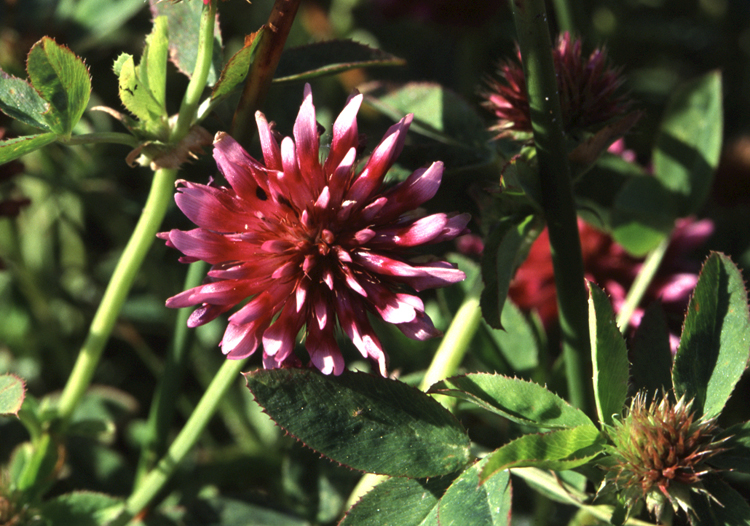
Gordon Leppig & Andrea J. Pickart (via Wikimedia Commons) · CC0
Family: Hesperiidae · Class: Insecta · Order: Lepidoptera
Thorybes diversus (Western Cloudywing) is a California animal in the Hesperiidae family.
The Western Cloudywing (Thorybes diversus) is a medium-sized skipper butterfly in the family Hesperiidae. Adults measure approximately 25 to 32 millimeters (1.0 to 1.3 inches) in wingspan. The forewings are dark brown to blackish-brown with distinctive white or translucent spots arranged in bands across the wing surface. The hindwings are similarly colored with a mottled appearance that gives this species its common name. Males can be distinguished from females by the presence of a scent patch (stigma) on the forewings and more pronounced white spotting. The body is robust and covered in dark scales, with the head bearing relatively large eyes and short, club-tipped antennae typical of skippers. The Western Cloudywing has a limited distribution, occurring locally and scarcely in the South Cascade mountains of Oregon and the Sierra Nevada of California. This restricted range makes it one of the more geographically limited cloudywing species in western North America. Within California, populations are documented from the northern and central Sierra Nevada, typically at middle to high elevations where suitable habitat and host plants occur. This species inhabits montane meadows, forest clearings, and riparian areas where its specific host plant grows. Western Cloudywings are typically found at elevations ranging from 1,200 to 2,400 meters (4,000 to 8,000 feet) in areas with open canopy that allows sufficient sunlight to reach the ground. The habitat is characterized by moist soils that support robust growth of the host plant and provide the specific microclimate conditions required by developing larvae. The Western Cloudywing exhibits complete dependence on cow clover (Trifolium wormskjoldii) in the pea family (Fabaceae) as its larval host plant. Females deposit eggs singly on the upper surfaces of clover leaves. Larvae construct silk shelters by folding and tying leaf edges together, feeding within these protective structures during development. The species is univoltine, producing one generation per year, with adults typically flying from late June through August, coinciding with peak blooming of the host plant. Adults nectar on various flowers including their host plant and other native wildflowers found in montane meadows. Due to its restricted range and specific habitat requirements, the Western Cloudywing faces conservation challenges despite lacking formal protection status. Primary threats include habitat degradation from livestock grazing, recreational activities, and altered hydrology in meadow systems. Climate change poses additional risks through shifts in precipitation patterns and temperature regimes that could affect both the butterfly and its host plant. The species' dependence on a single host plant species and its patchy distribution make populations vulnerable to local extirpations. Meadow restoration and livestock management practices that maintain healthy cow clover populations are essential for the species' continued persistence throughout its limited range.
Classification
Class: Insecta · Order: Lepidoptera · Family: Hesperiidae
Frequently asked questions
How is Thorybes diversus classified?
Thorybes diversus belongs to class Insecta, order Lepidoptera, family Hesperiidae.
What family does Thorybes diversus belong to?
Thorybes diversus is in the Hesperiidae family.
What is Thorybes diversus?
The Western Cloudywing (Thorybes diversus) is a medium-sized skipper butterfly in the family Hesperiidae.
Is Thorybes diversus found in California?
Yes. Thorybes diversus is recorded in California in The California Species Project's catalogue.
Related species
Other California species in the same genus, family, or bioregion.
Data from The California Species Project — 14,000+ California species with verified data from CNPS, CDFW, USFWS, and more.