Tinea irrupta
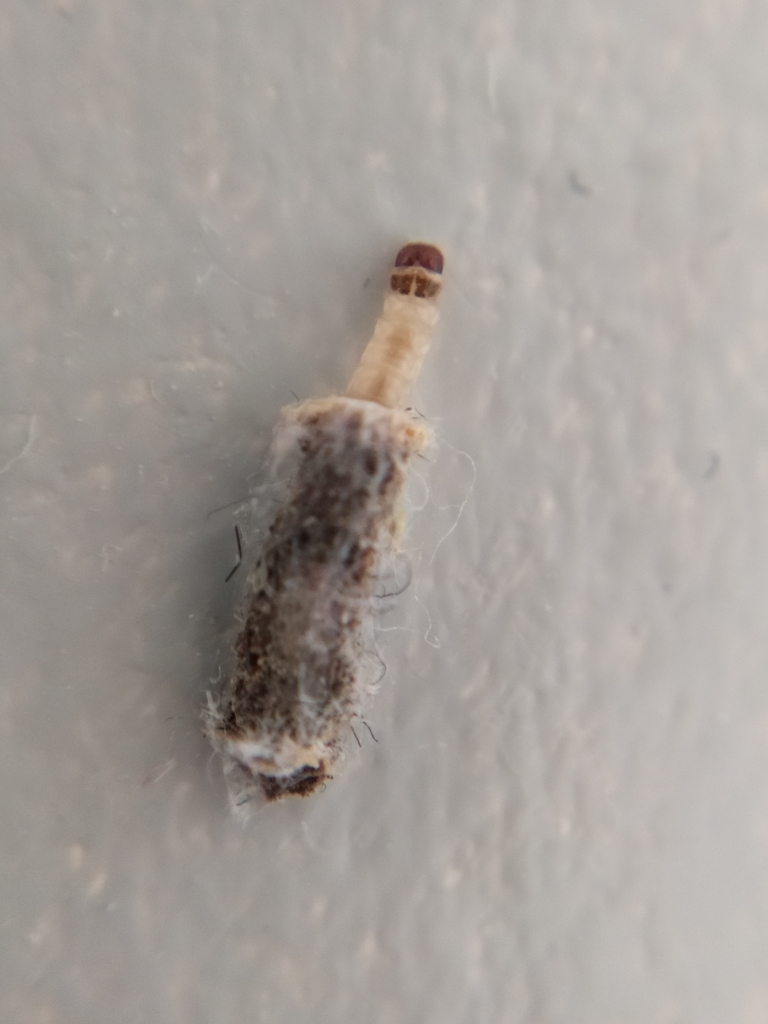
(c) carnifex, some rights reserved (CC BY) · licence
Family: Tineidae · Class: Insecta · Order: Lepidoptera
Tinea irrupta is a California animal in the Tineidae family.
Tinea irrupta is a small moth in the family Tineidae, a group commonly known as fungus moths or tineid moths. This species belongs to a diverse family of microlepidoptera that includes over 3,000 described species worldwide. Members of the genus Tinea are typically characterized by their small size, narrow forewings, and often cryptic coloration patterns that provide camouflage in their natural habitats. The physical characteristics of T. irrupta follow the general morphology typical of tineids. Adults likely measure 8 to 15 millimeters (0.3 to 0.6 inches) in wingspan, consistent with other species in the genus. The forewings are typically elongated and narrow, with coloration ranging from brown to gray tones that often feature subtle patterning of scales. The hindwings are generally paler and may be fringed with long setae. Antennae are filiform and may show sexual dimorphism, with males often having more developed or ornate antennae than females. The distribution and range of Tinea irrupta remain poorly documented in the scientific literature. Limited records suggest the species may occur in western North America, though specific geographic boundaries and population densities are not well established. The lack of comprehensive survey data makes it difficult to determine whether this species has a restricted range or simply has been under-collected due to its small size and cryptic habits. Habitat preferences for T. irrupta are not definitively documented, though members of the genus Tinea typically inhabit areas rich in organic matter where their larvae can develop. Tineidae larvae are generally detritivores or fungivores, feeding on decaying organic material, fungi, or keratin-based substances. Common habitats for tineid moths include forest understories, areas with accumulated leaf litter, decaying wood, and sometimes structures where organic materials accumulate. The life cycle of T. irrupta likely follows the typical pattern for tineids, with complete metamorphosis through egg, larval, pupal, and adult stages. Larvae probably feed on organic detritus, fungi, or other decomposing matter, playing a role in nutrient cycling within their ecosystems. Adult flight periods and mating behaviors are not documented for this species, though many tineids are active during evening hours and may be attracted to artificial lights. The conservation status of Tinea irrupta is unknown due to insufficient data on population size, distribution, and trends. The species lacks federal or state conservation listings, and no specific threats have been identified. However, like many small, poorly-studied insects, T. irrupta may face pressures from habitat loss, climate change, and other environmental modifications that affect its host plants or microhabitat requirements. Further taxonomic and ecological research is needed to assess the species' conservation needs and develop appropriate management strategies if warranted.
Classification
Class: Insecta · Order: Lepidoptera · Family: Tineidae
Frequently asked questions
How is Tinea irrupta classified?
Tinea irrupta belongs to class Insecta, order Lepidoptera, family Tineidae.
What family does Tinea irrupta belong to?
Tinea irrupta is in the Tineidae family.
What is Tinea irrupta?
Tinea irrupta is a small moth in the family Tineidae, a group commonly known as fungus moths or tineid moths.
Is Tinea irrupta found in California?
Yes. Tinea irrupta is recorded in California in The California Species Project's catalogue.
Related species
Other California species in the same genus, family, or bioregion.
Data from The California Species Project — 14,000+ California species with verified data from CNPS, CDFW, USFWS, and more.