Tolype dayi
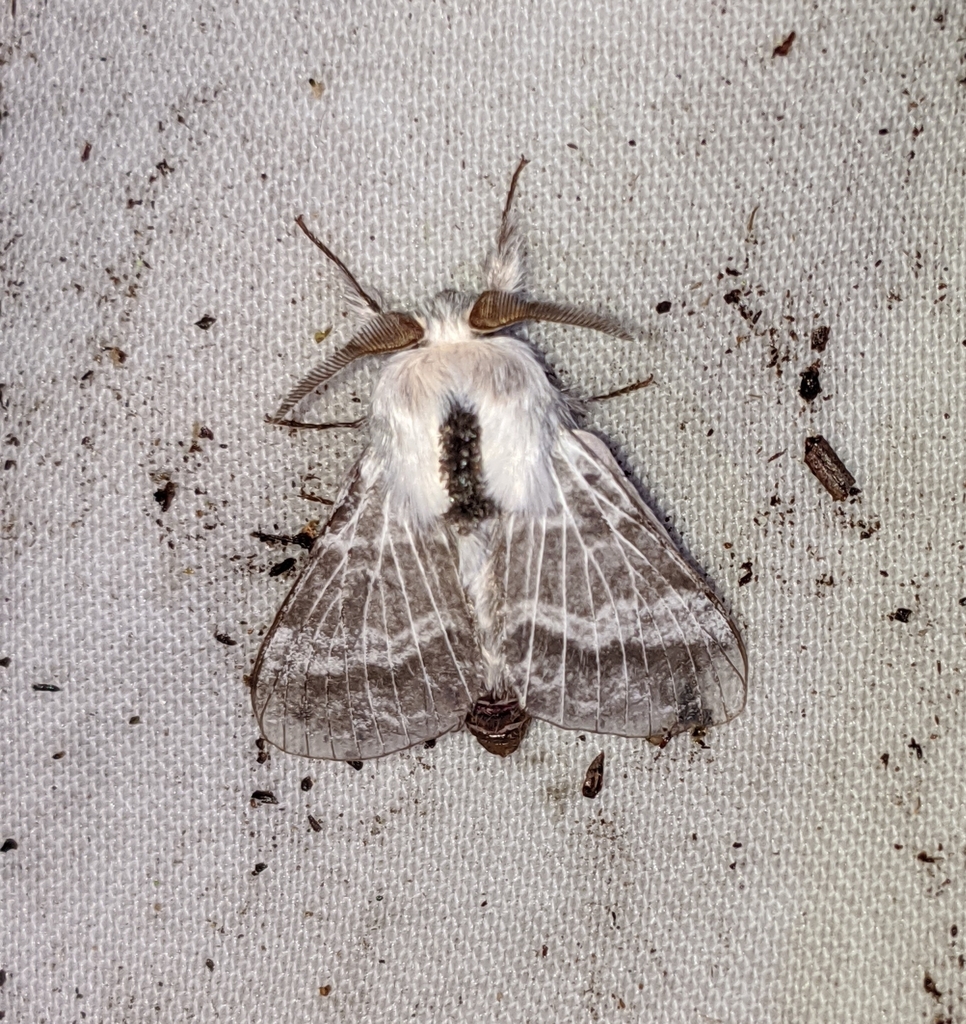
no rights reserved · CC0
Family: Lasiocampidae · Class: Insecta · Order: Lepidoptera
Tolype dayi is a California animal in the Lasiocampidae family.
Tolype dayi is a moth in the family Lasiocampidae, commonly known as tent caterpillar moths or lappet moths. This species represents one of several Tolype moths found in North America, characterized by the typical lasiocampid body structure with robust, hairy bodies and relatively broad wings. Adult moths display muted coloration patterns typical of the genus, with forewings showing subtle bands or patches that provide camouflage against tree bark and other natural substrates when at rest. The distribution of Tolype dayi appears to be limited within North America, though specific range data requires further documentation. Members of the genus Tolype are generally associated with deciduous and mixed forests throughout their ranges, suggesting this species likely occupies similar habitats. The precise boundaries of this species' range in California, if present, remain inadequately documented in current literature. Habitat preferences for Tolype dayi likely follow patterns observed in related Tolype species, which typically inhabit forested areas with appropriate host plants. Lasiocampidae moths generally require specific woody plants for larval development, and adults are often found in areas with mature trees that provide both larval food sources and adult resting sites. The species likely occurs at moderate elevations where suitable deciduous or mixed forest communities persist. The life cycle of Tolype dayi presumably follows the typical lasiocampid pattern, with larvae developing on woody host plants over one or more seasons. Caterpillars in this family are known for their dense, often colorful setae (hairs) and their ability to construct silk shelters or tents. Adults likely emerge in fall, as is common among North American Tolype species, with mating and egg-laying occurring before winter. Females deposit eggs on host plant branches, where they overwinter before hatching in spring. The conservation status of Tolype dayi remains poorly documented. No federal or state listing status has been assigned to this species, which may reflect either stable populations or insufficient survey data rather than actual conservation security. Many moth species, particularly those with limited distributions or specific habitat requirements, face threats from habitat loss, light pollution, and climate change. Forest management practices, urban development, and alterations to natural fire regimes may impact populations if the species depends on specific forest conditions or successional stages. The taxonomic status and distribution of Tolype dayi require additional research and documentation. Comprehensive surveys focusing on Lasiocampidae moths in California would help establish the species' current range, population status, and ecological requirements. Such information is essential for assessing conservation needs and developing appropriate management strategies for this and other poorly known moth species.
Classification
Class: Insecta · Order: Lepidoptera · Family: Lasiocampidae
Frequently asked questions
How is Tolype dayi classified?
Tolype dayi belongs to class Insecta, order Lepidoptera, family Lasiocampidae.
What family does Tolype dayi belong to?
Tolype dayi is in the Lasiocampidae family.
What is Tolype dayi?
Tolype dayi is a moth in the family Lasiocampidae, commonly known as tent caterpillar moths or lappet moths.
Is Tolype dayi found in California?
Yes. Tolype dayi is recorded in California in The California Species Project's catalogue.
Related species
Other California species in the same genus, family, or bioregion.
Data from The California Species Project — 14,000+ California species with verified data from CNPS, CDFW, USFWS, and more.