Trachykele hartmani
Serpentine Cypress Wood- Boring Beetle
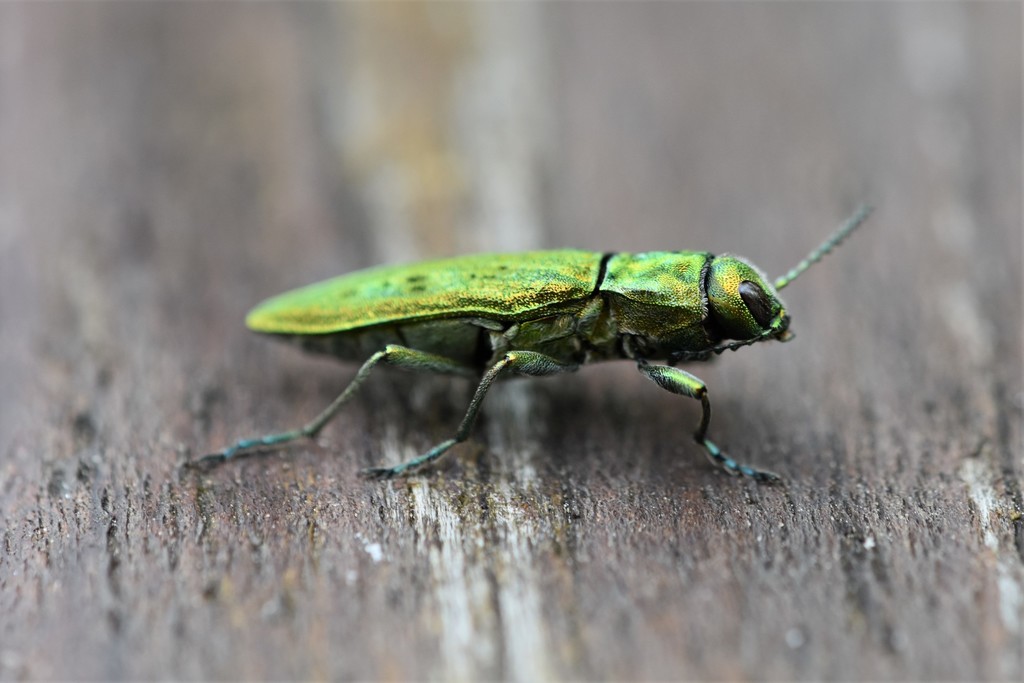
no rights reserved · CC0
Family: Buprestidae · Class: Insecta · Order: Coleoptera
Conservation status: G1 S1
Trachykele hartmani (Serpentine Cypress Wood- Boring Beetle) is a California animal in the Buprestidae family.
The Serpentine Cypress Wood-Boring Beetle (Trachykele hartmani) is a small metallic wood-boring beetle in the family Buprestidae, subfamily Buprestinae, tribe Buprestini. This species belongs to the genus Trachykele, which contains several other specialized wood-boring beetles. Specific morphological characteristics and size measurements for T. hartmani have not been well documented in available scientific literature. This species is endemic to California and appears to be associated with serpentine habitats in the San Francisco Bay Area. Based on its inclusion in serpentine species recovery planning documents, T. hartmani likely occurs in serpentine outcrops across counties including Alameda, Contra Costa, Marin, San Francisco, San Mateo, Santa Clara, Sonoma, and potentially Stanislaus County. The exact distribution and number of known populations remain poorly documented. As indicated by its common name, the Serpentine Cypress Wood-Boring Beetle is associated with serpentine soils, which are characterized by high concentrations of magnesium, low calcium levels, and the presence of heavy metals that create harsh growing conditions for most plant species. Serpentine habitats support unique plant communities adapted to these challenging soil conditions. The species likely inhabits cypress woodlands or chaparral communities growing on serpentine substrates, though specific elevation ranges and microhabitat requirements have not been documented. Like other Buprestidae, T. hartmani larvae are wood borers that develop within host trees or shrubs. Adult beetles are typically active during warmer months and mate on or near host plants. Females lay eggs in bark crevices or on exposed wood surfaces, and larvae tunnel through bark and wood tissues, creating galleries as they feed and grow. The specific host plants, life cycle duration, and seasonal activity patterns for this species remain unstudied. Other Trachykele species are known to be associated with various coniferous trees, suggesting T. hartmani may similarly utilize cypress or other conifers growing on serpentine soils. Trachykele hartmani has a global and state conservation rank of G1 S1, indicating it is critically imperiled both globally and within California, with typically five or fewer occurrences or very few remaining individuals. The species faces significant conservation challenges due to habitat loss and fragmentation of serpentine habitats in the San Francisco Bay Area. According to recovery planning documents, areas of serpentine habitat with permanent protection are relatively uncommon in the San Francisco Bay Area, and few active conservation efforts are underway to protect special status species in the limited serpentine habitat that exists. Habitat protection through establishing a network of conservation areas and reserves representing important serpentine habitats is considered essential for species recovery and conservation. Scientific documentation for this species remains extremely limited. The information presented here is based on available sources including USFWS taxonomic databases and serpentine habitat recovery planning documents. Detailed ecological studies, population assessments, and species-specific conservation measures are urgently needed. We welcome contributions of verified scientific data, photographs, or field observations to enhance this species account.
Classification
Class: Insecta · Order: Coleoptera · Family: Buprestidae
Conservation status
G1 S1
Frequently asked questions
How is Trachykele hartmani classified?
Trachykele hartmani belongs to class Insecta, order Coleoptera, family Buprestidae.
What family does Trachykele hartmani belong to?
Trachykele hartmani is in the Buprestidae family.
Is Trachykele hartmani protected or of conservation concern?
Trachykele hartmani carries the following status: G1 S1.
What is Trachykele hartmani?
The Serpentine Cypress Wood-Boring Beetle (Trachykele hartmani) is a small metallic wood-boring beetle in the family Buprestidae, subfamily Buprestinae, tribe Buprestini.
Is Trachykele hartmani found in California?
Yes. Trachykele hartmani is recorded in California in The California Species Project's catalogue.
Related species
Other California species in the same genus, family, or bioregion.
Data from The California Species Project — 14,000+ California species with verified data from CNPS, CDFW, USFWS, and more.