Trichodezia californiata
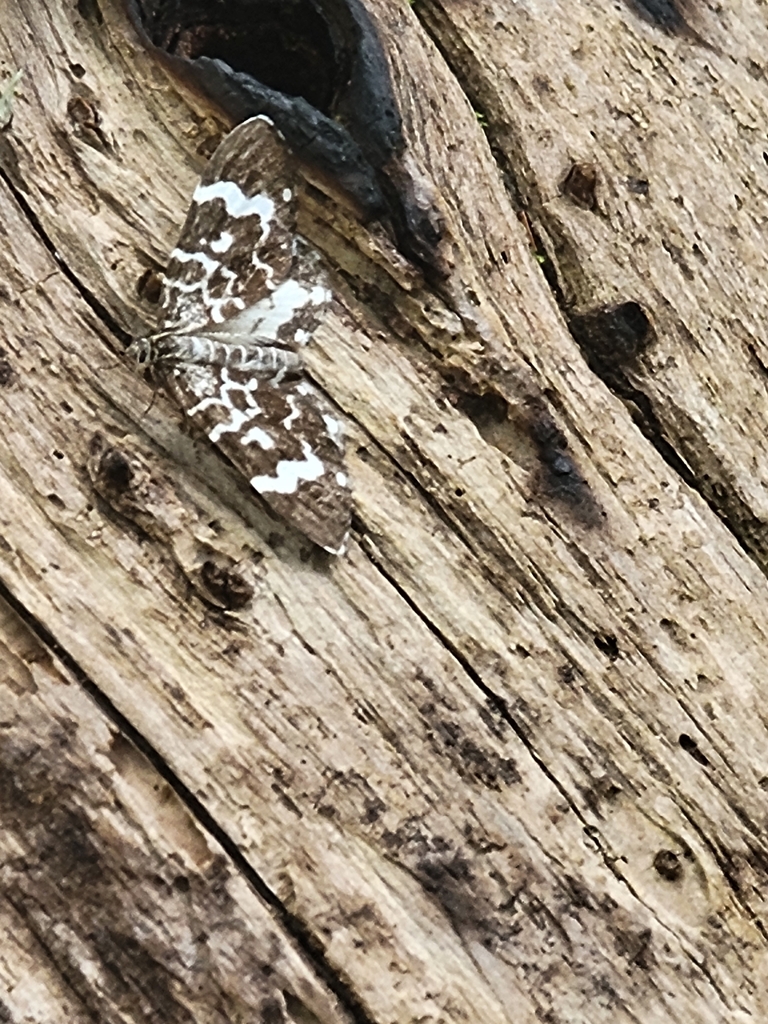
no rights reserved · CC0
Family: Geometridae · Class: Insecta · Order: Lepidoptera
Trichodezia californiata is a California animal in the Geometridae family.
Trichodezia californiata is a geometrid moth in the family Geometridae, subfamily Ennominae. This species belongs to a genus of inchworm moths characterized by their distinctive wing patterns and flight behavior. Adult moths typically display the slender body and broad wings characteristic of geometrids, with forewings that span approximately 20-30 millimeters when fully extended. The wings exhibit subtle earth-tone coloration patterns that provide effective camouflage against bark and dried vegetation. The range and distribution of Trichodezia californiata within California requires further documentation through systematic surveys. Like many geometrid species, this moth likely has a restricted distribution tied to specific host plant associations and microhabitat requirements. The species appears to be endemic to California, though detailed range maps and occurrence records remain limited in published literature. Habitat preferences for T. californiata likely include areas supporting its larval host plants, which for many Trichodezia species consist of various shrubs and trees in chaparral, oak woodland, or mixed forest communities. Elevation ranges and specific vegetation associations require additional field research to document comprehensively. Adult moths are typically nocturnal and may be attracted to artificial lights during their flight period. The larval stage, like other geometrids, likely consists of caterpillars that move in the characteristic looping motion that gives inchworms their common name. These larvae possess only two pairs of prolegs at the posterior end of the abdomen, lacking the middle prolegs found in most other lepidopteran families. Development likely follows a typical geometrid pattern with eggs laid on or near host plants, followed by several larval instars before pupation occurs in soil or leaf litter. Adult emergence timing and flight periods remain undocumented for this species. Little is known about the specific conservation status of Trichodezia californiata. The species lacks formal federal or state listing status, and population trends have not been assessed systematically. Many geometrid moths face potential threats from habitat loss, pesticide applications, and climate change impacts on host plant distributions. Urban development and conversion of native habitats to agriculture may pose risks to localized populations, particularly if the species has narrow host plant requirements or limited dispersal ability. The taxonomic status and species boundaries within the genus Trichodezia may require revision based on molecular analyses and detailed morphological studies. Historical collection records and museum specimens provide the primary source of distributional data for this species. Additional research is needed to document basic biological parameters including host plant associations, seasonal activity patterns, and population distribution across California. Standardized monitoring protocols would help assess conservation needs and identify potential threats to this poorly known endemic moth species.
Classification
Class: Insecta · Order: Lepidoptera · Family: Geometridae
Frequently asked questions
How is Trichodezia californiata classified?
Trichodezia californiata belongs to class Insecta, order Lepidoptera, family Geometridae.
What family does Trichodezia californiata belong to?
Trichodezia californiata is in the Geometridae family.
What is Trichodezia californiata?
Trichodezia californiata is a geometrid moth in the family Geometridae, subfamily Ennominae.
Is Trichodezia californiata found in California?
Yes. Trichodezia californiata is recorded in California in The California Species Project's catalogue.
Related species
Other California species in the same genus, family, or bioregion.
Data from The California Species Project — 14,000+ California species with verified data from CNPS, CDFW, USFWS, and more.