Trilobopsis roperi
Shasta Chaparral
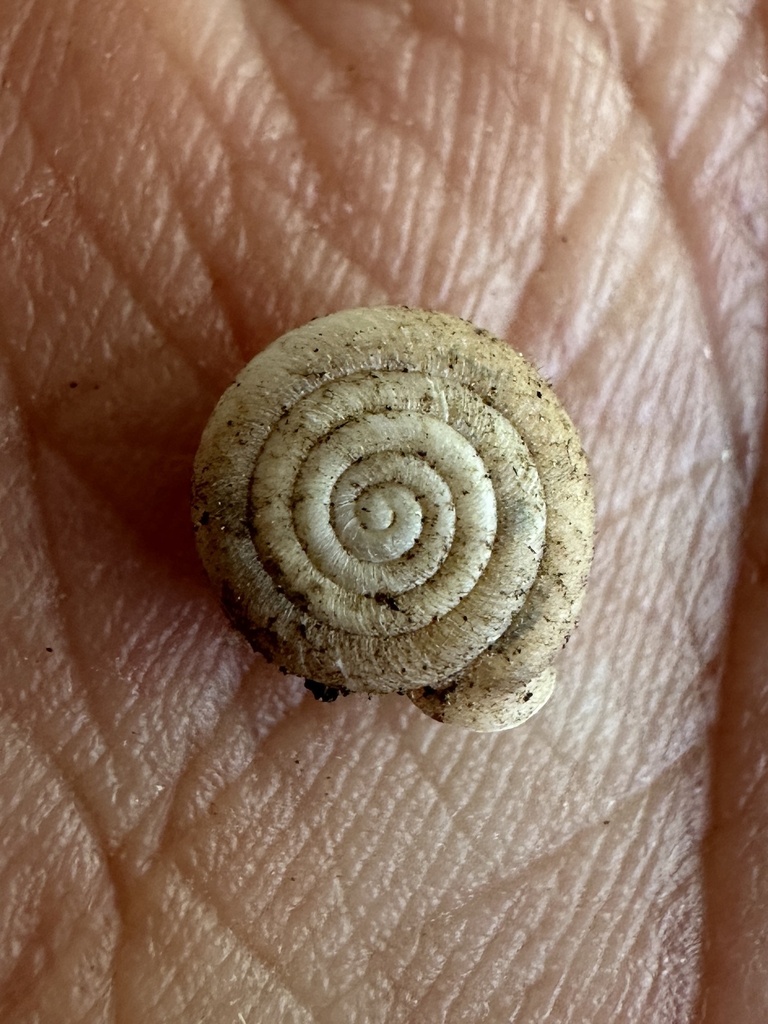
(c) Matt Berger, some rights reserved (CC BY) · licence
Family: Polygyridae · Class: Gastropoda · Order: Stylommatophora
Conservation status: G2 S1
Trilobopsis roperi (Shasta Chaparral) is a California animal in the Polygyridae family.
The Shasta chaparral is a terrestrial gastropod mollusk in the family Polygyridae, endemic to California. This land snail species belongs to the genus Trilobopsis, which comprises five species, with two being of special conservation concern to the U.S. Fish and Wildlife Service. Detailed morphological descriptions of Trilobopsis roperi are limited in the available scientific literature. As with other members of the Polygyridae family, the species likely possesses a spiral shell characteristic of terrestrial gastropods, though specific measurements, coloration patterns, and distinguishing features have not been well documented in accessible sources. Trilobopsis roperi is known to occur in California, though its precise geographic range remains poorly defined in current literature. The species' distribution appears to be restricted, as indicated by its Global rank of G2 (imperiled globally) and State rank of S1 (critically imperiled in California). The common name "Shasta chaparral" suggests an association with the Shasta region of northern California, though specific counties or geographic boundaries of its occurrence require further documentation. Habitat requirements for this species have not been comprehensively studied or reported in available sources. The common name indicates a likely association with chaparral ecosystems, which are characterized by drought-resistant shrubland communities dominated by woody plants adapted to Mediterranean climate conditions. Chaparral habitats typically occur on slopes and ridges at various elevations throughout California's mountainous regions, but the specific microhabitat preferences, substrate requirements, and elevation range of T. roperi remain undocumented. Ecological information regarding the life history, reproductive behavior, feeding habits, and seasonal activity patterns of Trilobosis roperi is currently lacking in the scientific literature. Most terrestrial gastropods are herbivorous or detritivorous, feeding on decaying organic matter, fungi, or living plant material, but the specific dietary preferences and foraging behavior of this species have not been recorded. Similarly, reproductive timing, egg-laying behavior, and population dynamics remain unstudied. The Shasta chaparral faces conservation challenges, as reflected in its G2S1 ranking, indicating global imperilment and critical imperilment within California. The species appears on the U.S. Fish and Wildlife Service's National Domestic Listing Workplan for Fiscal Years 2024-2028, where it is listed for a 12-month finding and proposed listing with proposed critical habitat designation, scheduled for FY24 under Region 8 authority. This indicates the species is under active consideration for federal protection under the Endangered Species Act. The species is also eligible for Traditional Conservation Grants as an unlisted species with an "Under Review" status and priority ranking of 8. Primary threats to T. roperi have not been specifically documented, though terrestrial mollusks generally face challenges from habitat loss, fragmentation, climate change, and altered fire regimes in chaparral ecosystems. The species' apparent restricted range makes it particularly vulnerable to localized threats and environmental changes. Scientific documentation for this species remains extremely limited. The information presented here synthesizes available data from federal databases and listing workplans. Additional field studies, taxonomic research, and ecological investigations are needed to better understand this species' biology, distribution, and conservation needs.
Classification
Class: Gastropoda · Order: Stylommatophora · Family: Polygyridae
Conservation status
G2 S1
Frequently asked questions
How is Trilobopsis roperi classified?
Trilobopsis roperi belongs to class Gastropoda, order Stylommatophora, family Polygyridae.
What family does Trilobopsis roperi belong to?
Trilobopsis roperi is in the Polygyridae family.
Is Trilobopsis roperi protected or of conservation concern?
Trilobopsis roperi carries the following status: G2 S1.
What is Trilobopsis roperi?
The Shasta chaparral is a terrestrial gastropod mollusk in the family Polygyridae, endemic to California.
Is Trilobopsis roperi found in California?
Yes. Trilobopsis roperi is recorded in California in The California Species Project's catalogue.
Related species
Other California species in the same genus, family, or bioregion.
Data from The California Species Project — 14,000+ California species with verified data from CNPS, CDFW, USFWS, and more.