Trilobopsis tehamana
Tehama Chaparral
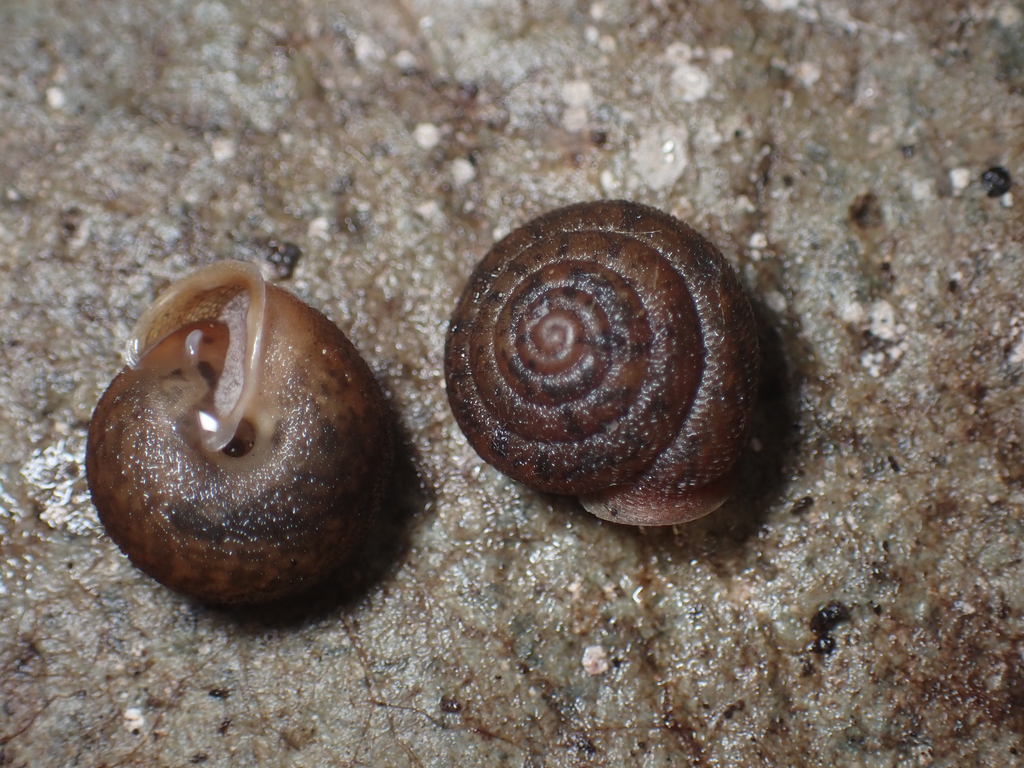
(c) Trevor Van Loon, some rights reserved (CC BY) · licence
Family: Polygyridae · Class: Gastropoda · Order: Stylommatophora
Conservation status: G2 S1
Trilobopsis tehamana (Tehama Chaparral) is a California animal in the Polygyridae family.
The Tehama chaparral is a terrestrial gastropod mollusc in the family Polygyridae, endemic to California. This snail species is classified as globally imperiled (G2) and critically imperiled within California (S1), reflecting its extremely limited distribution and vulnerable population status. The Tehama chaparral inhabits rocky talus areas near limestone outcrops, seeking shelter under shrubs, oak trees, leaf litter, and woody debris (Federal Register 2011). This microhabitat preference for rocky substrates associated with limestone geology distinguishes it from many other terrestrial snails in the region. The species demonstrates a strong association with chaparral vegetation communities, which provide essential cover and maintain the humid conditions necessary for its survival. The species occurs exclusively in Tehama County, California, representing one of the most geographically restricted snail species in the state. Its range appears to be limited to specific limestone formations within the county, making it particularly vulnerable to habitat disturbance. The precise extent of its distribution within Tehama County requires further documentation, as many terrestrial gastropod species in California have highly localized populations tied to specific geological and microclimatic conditions. As with other members of the Polygyridae family, the Tehama chaparral likely feeds on decomposing organic matter, fungi, and microscopic organisms found in leaf litter and soil. Terrestrial snails in this family typically exhibit seasonal activity patterns, becoming more active during periods of adequate moisture when surface conditions allow for movement and feeding. Reproduction likely occurs through the deposition of eggs in moist soil or under protective cover, though specific breeding biology for this species has not been well documented. The U.S. Fish and Wildlife Service initiated a status review for the Tehama chaparral in 2011 to determine whether listing under the Endangered Species Act is warranted (Federal Register 2011). The species faces threats common to many endemic California gastropods, including habitat loss from development, agricultural conversion, altered fire regimes, and climate change impacts. The species' restriction to limestone-associated habitats makes it particularly vulnerable to quarrying operations and other extractive activities that could destroy its specialized habitat requirements. The extremely limited distribution and specialized habitat needs of the Tehama chaparral highlight the conservation challenges facing California's endemic terrestrial gastropod fauna. Many of these species occupy narrow ecological niches tied to specific geological formations, making them highly susceptible to environmental changes. Conservation efforts for this species would benefit from detailed habitat mapping, population monitoring, and protection of remaining limestone outcrop areas within its range. The species serves as an indicator of the health of chaparral ecosystems in Tehama County and demonstrates the importance of protecting California's diverse assemblage of endemic invertebrates.
Classification
Class: Gastropoda · Order: Stylommatophora · Family: Polygyridae
Conservation status
G2 S1
Frequently asked questions
How is Trilobopsis tehamana classified?
Trilobopsis tehamana belongs to class Gastropoda, order Stylommatophora, family Polygyridae.
What family does Trilobopsis tehamana belong to?
Trilobopsis tehamana is in the Polygyridae family.
Is Trilobopsis tehamana protected or of conservation concern?
Trilobopsis tehamana carries the following status: G2 S1.
What is Trilobopsis tehamana?
The Tehama chaparral is a terrestrial gastropod mollusc in the family Polygyridae, endemic to California.
Is Trilobopsis tehamana found in California?
Yes. Trilobopsis tehamana is recorded in California in The California Species Project's catalogue.
Related species
Other California species in the same genus, family, or bioregion.
Data from The California Species Project — 14,000+ California species with verified data from CNPS, CDFW, USFWS, and more.