Triphosa californiata
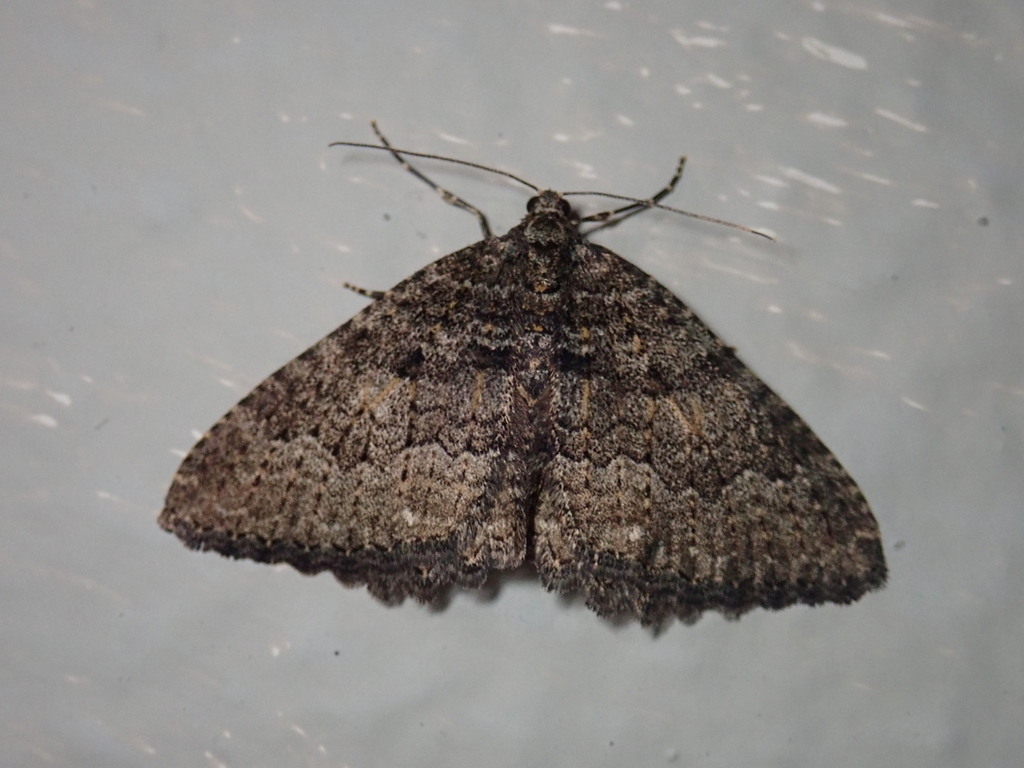
(c) Cricket Raspet, some rights reserved (CC BY) · licence
Family: Geometridae · Class: Insecta · Order: Lepidoptera
Triphosa californiata is a California animal in the Geometridae family.
Triphosa californiata is a geometrid moth in the family Geometridae, subfamily Larentiinae. This species belongs to a genus of moderate-sized moths characterized by their angular wing shapes and cryptic coloration patterns. Adults typically display muted brown and gray tones with intricate cross-lines and geometric patterns across the forewings, providing effective camouflage against tree bark and dried vegetation. The wingspan ranges from approximately 25 to 35 millimeters. Like other Triphosa species, californiata exhibits the characteristic angular forewings and relatively broad hindwings typical of geometrids. The species ranges from Oregon south through California, representing a Pacific Coast distribution pattern common among western North American Lepidoptera. In California, populations are documented from coastal and inland regions where suitable host plants occur. The distribution appears to follow the natural range of its primary host plants, suggesting a close ecological relationship with specific Rhamnaceae species. Triphosa californiata inhabits areas supporting its documented host plants: hollyleaf redberry (Frangula ilicifolia) and coffeeberry (Rhamnus occidentalis). These shrubs typically occur in chaparral, oak woodland, and mixed evergreen forest communities from near sea level to moderate elevations in the Coast Ranges and Sierra Nevada foothills. The species likely occurs in riparian zones, canyon bottoms, and north-facing slopes where coffeeberry thrives, as well as in drier chaparral habitats supporting hollyleaf redberry. As with most geometrid moths, larvae are the primary feeding stage, developing as foliage feeders on their host plants. The caterpillars likely consume leaves of Rhamnaceae shrubs during their development, potentially showing seasonal timing that corresponds with optimal host plant phenology. Adult moths are presumably nocturnal, attracted to lights during their flight period. The species likely produces one generation annually, with adults emerging during specific months when environmental conditions favor reproduction and larval development. Females deposit eggs on or near host plant foliage, where larvae will have access to suitable food resources. The conservation status of Triphosa californiata appears to be unassessed, with no federal or state listing designations currently assigned. Population trends and specific threats are not well documented in available literature. As a host-plant specialist dependent on native Rhamnaceae shrubs, the species could potentially face pressure from habitat conversion, urban development, and changes in fire regimes that affect chaparral and woodland communities. Climate change may impact the distribution and phenology of both the moth and its host plants. The species' conservation needs likely depend on maintaining healthy populations of hollyleaf redberry and coffeeberry across its range, along with the broader plant communities these shrubs inhabit.
Classification
Class: Insecta · Order: Lepidoptera · Family: Geometridae
Frequently asked questions
How is Triphosa californiata classified?
Triphosa californiata belongs to class Insecta, order Lepidoptera, family Geometridae.
What family does Triphosa californiata belong to?
Triphosa californiata is in the Geometridae family.
What is Triphosa californiata?
Triphosa californiata is a geometrid moth in the family Geometridae, subfamily Larentiinae.
Is Triphosa californiata found in California?
Yes. Triphosa californiata is recorded in California in The California Species Project's catalogue.
Related species
Other California species in the same genus, family, or bioregion.
Data from The California Species Project — 14,000+ California species with verified data from CNPS, CDFW, USFWS, and more.