Udea profundalis
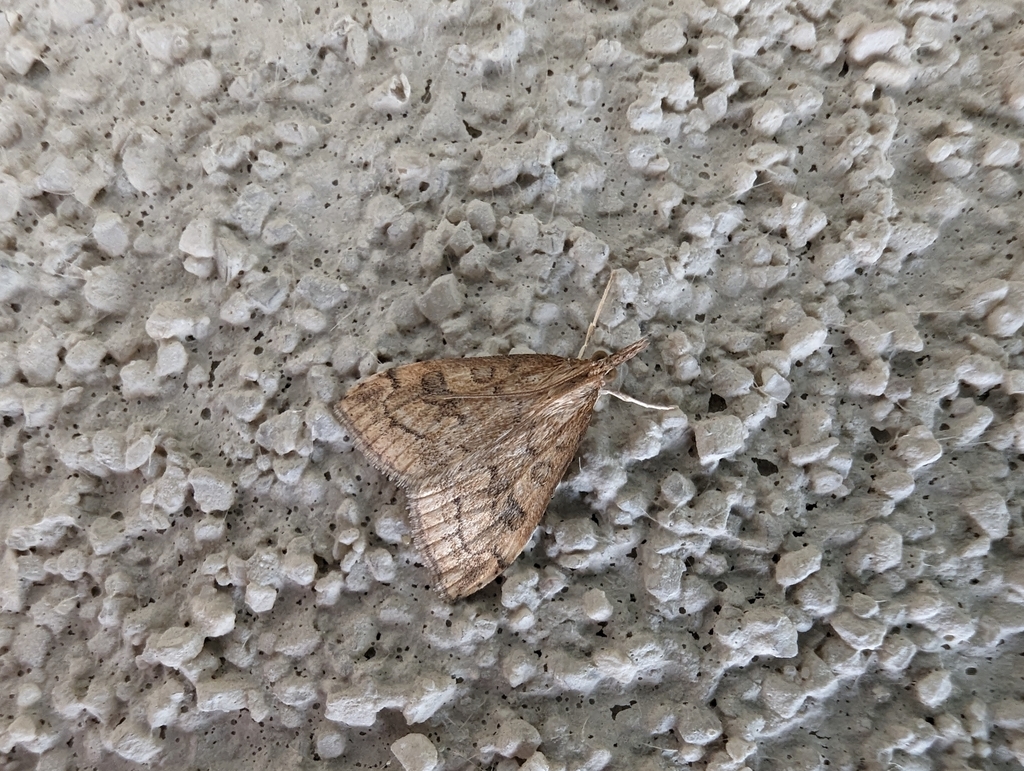
(c) William C. McKnight, some rights reserved (CC BY) · licence
Family: Crambidae · Class: Insecta · Order: Lepidoptera
Udea profundalis is a California animal in the Crambidae family.
Udea profundalis is a small moth in the family Crambidae, commonly known as grass moths or snout moths. As with most members of this diverse lepidopteran family, adults typically measure 15 to 25 millimeters in wingspan, though specific measurements for this species are not well-documented in the literature. The forewings generally display cryptic coloration patterns typical of crambid moths, with muted browns and grays that provide camouflage against natural substrates. The hindwings are typically lighter in coloration, and like other Udea species, the moths possess distinctive labial palps that project forward from the head. The geographic range and distribution of Udea profundalis remain poorly documented in published literature. The species appears to have a limited distribution, though specific locality records and county-level occurrence data are not readily available from major lepidopteran databases or museum collections. This lack of distributional information suggests either a very restricted range or insufficient survey effort for this particular species. Habitat preferences for Udea profundalis have not been thoroughly studied or documented. Members of the genus Udea typically inhabit areas with diverse herbaceous vegetation, including grasslands, meadows, and forest edges. Many crambid moths are associated with graminoid plants during their larval stages, though the specific host plant relationships for this species remain unknown. Elevation range and microhabitat requirements have not been established through field studies. The life history and ecological behavior of Udea profundalis are largely undocumented. Most crambid moths undergo complete metamorphosis with egg, larval, pupal, and adult stages. Larvae typically feed on various herbaceous plants, often living within silk tubes or folded leaves. Adult flight periods, mating behaviors, and reproductive ecology have not been described for this species. The number of generations per year and seasonal activity patterns remain unknown. The conservation status of Udea profundalis is not established, as the species lacks federal or state listing designations. The absence of comprehensive population data, distributional records, and ecological information makes it impossible to assess conservation needs or population trends. This data deficiency is common among many smaller lepidopteran species, particularly those in diverse families like Crambidae. Without baseline survey data, potential threats cannot be adequately identified or quantified. The taxonomic validity and systematic position of Udea profundalis within the genus requires verification through modern molecular and morphological analyses. Many historically described moth species have undergone taxonomic revisions, and some names may represent synonyms of other described species. Comprehensive surveys targeting crambid moths in California could provide essential data on distribution, abundance, and ecological requirements necessary for conservation assessment.
Classification
Class: Insecta · Order: Lepidoptera · Family: Crambidae
Frequently asked questions
How is Udea profundalis classified?
Udea profundalis belongs to class Insecta, order Lepidoptera, family Crambidae.
What family does Udea profundalis belong to?
Udea profundalis is in the Crambidae family.
What is Udea profundalis?
Udea profundalis is a small moth in the family Crambidae, commonly known as grass moths or snout moths.
Is Udea profundalis found in California?
Yes. Udea profundalis is recorded in California in The California Species Project's catalogue.
Related species
Other California species in the same genus, family, or bioregion.
Data from The California Species Project — 14,000+ California species with verified data from CNPS, CDFW, USFWS, and more.