Urosaurus graciosus
Long-Tailed Brush Lizard
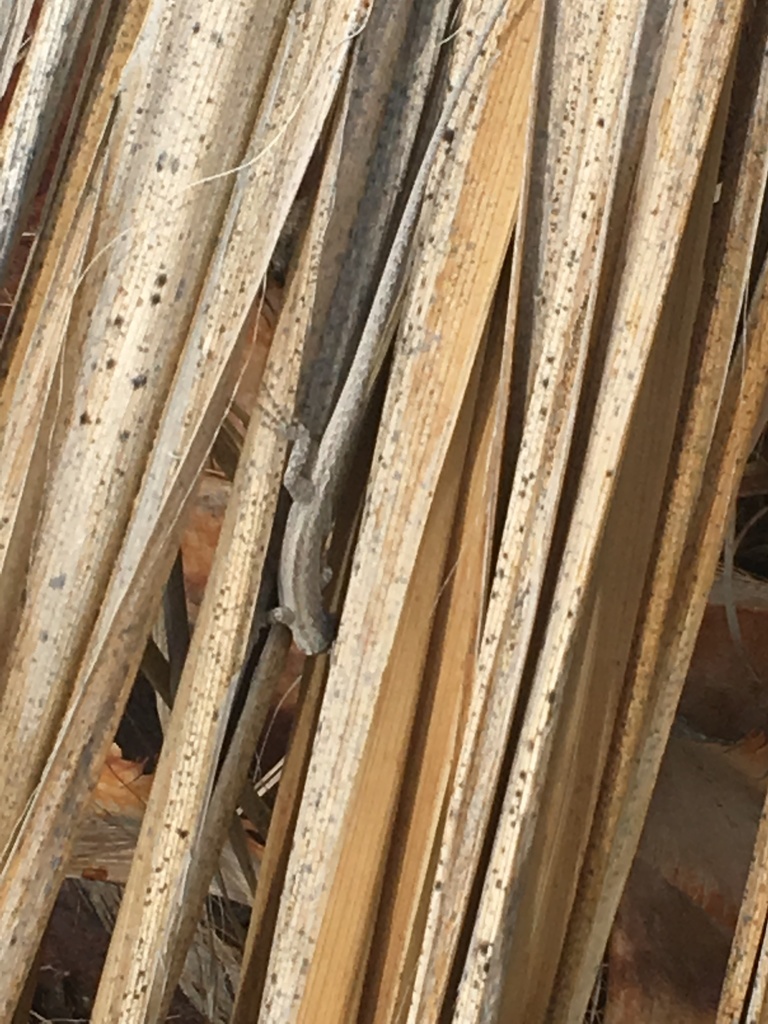
(c) kclarksdnhmorg, some rights reserved (CC BY) · licence
Family: Phrynosomatidae · Class: Reptilia · Order: Squamata
Urosaurus graciosus (Long-Tailed Brush Lizard) is a California animal in the Phrynosomatidae family.
The Long-Tailed Brush Lizard is a small, slender reptile measuring 38 to 64 mm (1.5 to 2.5 inches) in snout-to-vent length, with a tail that can exceed twice the body length when intact. The species exhibits brown to grayish coloration with subtle darker crossbands across the back and sides. A distinctive feature is the wide band of enlarged, weakly keeled scales running down the middle of the back, which distinguishes it from similar species. The ventral surface is typically lighter, ranging from cream to pale yellow. Small granular scales cover most of the body, giving the lizard a smooth appearance. The Long-Tailed Brush Lizard inhabits the Mojave and Colorado deserts of southeastern California, extending into extreme eastern Arizona, extreme southern Nevada, and just barely into Utah. The range continues south into northeastern Baja California Norte and parts of Sonora, Mexico. In California, the species occurs primarily in Imperial, Riverside, and San Bernardino counties, with populations concentrated in the lower Colorado River valley and surrounding desert regions. This species occupies sandy desert areas dominated by creosote bush scrub and desert wash habitats. The lizard shows a strong preference for creosote bushes (Larrea tridentata) with large exposed root systems, which provide both perching sites and shelter. It also utilizes other desert shrubs, small trees, and occasionally rocky outcrops. The species is typically found at elevations below 1,000 meters (3,280 feet), favoring areas with sparse to moderate vegetation cover where it can easily move between shrubs. Long-Tailed Brush Lizards are primarily arboreal, spending most daylight hours perched on branches or among the foliage of desert shrubs. They are active during warmer months, typically from March through October, with peak activity during spring and early summer. The species is insectivorous, feeding on small arthropods including ants, beetles, flies, and spiders captured through sit-and-wait predation. Breeding occurs in spring, with females laying clutches of 2 to 4 eggs in sandy soil beneath shrubs. Males establish territories during breeding season and may display aggressive behavior toward other males, including push-ups and lateral compression of the body. Currently, the Long-Tailed Brush Lizard has no federal or state conservation listing status. The species appears stable throughout most of its range, though specific population data are limited. Primary threats include habitat modification from urban development, off-road vehicle use, and renewable energy projects in desert regions. Climate change may pose future challenges through altered precipitation patterns and increased temperatures. The species' dependence on creosote bush habitat makes it potentially vulnerable to large-scale vegetation changes, though creosote bush communities are generally considered stable desert ecosystems.
Classification
Class: Reptilia · Order: Squamata · Family: Phrynosomatidae
Frequently asked questions
How is Urosaurus graciosus classified?
Urosaurus graciosus belongs to class Reptilia, order Squamata, family Phrynosomatidae.
What family does Urosaurus graciosus belong to?
Urosaurus graciosus is in the Phrynosomatidae family.
What is Urosaurus graciosus?
The Long-Tailed Brush Lizard is a small, slender reptile measuring 38 to 64 mm (1.5 to 2.5 inches) in snout-to-vent length, with a tail that can exceed twice the body length when intact.
Is Urosaurus graciosus found in California?
Yes. Urosaurus graciosus is recorded in California in The California Species Project's catalogue.
Related species
Other California species in the same genus, family, or bioregion.
Data from The California Species Project — 14,000+ California species with verified data from CNPS, CDFW, USFWS, and more.