Urosaurus nigricaudus
Baja California Brush Lizard
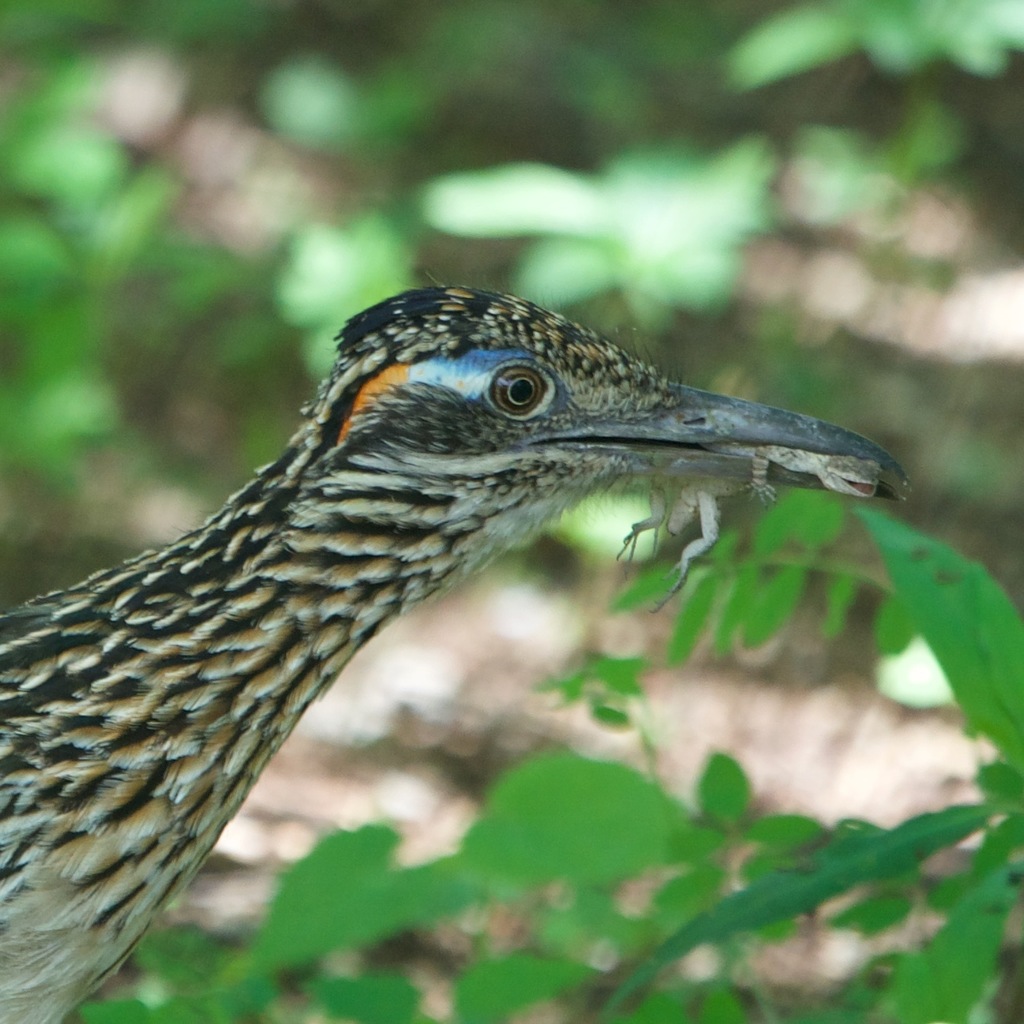
(c) Bill Levine, some rights reserved (CC BY) · licence
Family: Phrynosomatidae · Class: Reptilia · Order: Squamata
Urosaurus nigricaudus (Baja California Brush Lizard) is a California animal in the Phrynosomatidae family.
The Baja California brush lizard is a small, slender reptile measuring approximately 38 to 50 mm (1.5 to 2.0 inches) in snout-to-vent length, with a total length including the tail reaching 127 to 152 mm (5.0 to 6.0 inches). The body is covered in small, granular scales with a band of slightly enlarged, weakly keeled scales running down the middle of the back. The dorsal coloration is typically gray to brown with darker crossbands, while the ventral surface is lighter. Males display blue throat patches during breeding season, and both sexes have relatively long tails that may show dark banding. Historically, this species was known from the peninsular ranges of southern California, but current taxonomic understanding indicates its primary distribution is throughout Baja California, Mexico. In California, populations are restricted to the extreme southern portions of the state, primarily in San Diego County. The species has experienced taxonomic confusion, previously being classified as Urosaurus microscutatus (Small-scaled Lizard) before recognition as the distinct species U. nigricaudus. Baja California brush lizards inhabit rocky areas, chaparral, and desert scrub environments, typically found on boulders, rock outcrops, and in association with shrubby vegetation. They prefer areas with scattered bushes and trees where they can utilize both terrestrial and arboreal microhabitats. The species occurs from near sea level to moderate elevations in the peninsular mountain ranges. Unlike their desert-dwelling relatives, these lizards show a preference for more structured habitats with vertical elements for climbing and thermoregulation. This diurnal species is primarily insectivorous, feeding on small arthropods including ants, beetles, spiders, and other invertebrates. Baja California brush lizards are excellent climbers, utilizing their long tails for balance while moving through shrubs and over rocky surfaces. They are territorial during breeding season, with males establishing and defending territories. Reproduction occurs in spring and early summer, with females depositing clutches of 2 to 4 eggs in soil or rock crevices. The species exhibits typical lizard thermoregulatory behavior, basking in morning sun and seeking shade during peak heat. The Baja California brush lizard currently lacks federal or state listing status in California. However, its limited distribution within the state makes it potentially vulnerable to habitat modification and urban development pressures in southern California. Climate change may affect suitable habitat availability, particularly in border regions where the species reaches its northern range limit. In California, the species is legally collectible under state regulations, with a possession limit of 25 individuals in aggregate with other specified lizard species. Conservation concerns primarily relate to habitat preservation in the face of ongoing development in the region's coastal and mountain areas.
Classification
Class: Reptilia · Order: Squamata · Family: Phrynosomatidae
Frequently asked questions
How is Urosaurus nigricaudus classified?
Urosaurus nigricaudus belongs to class Reptilia, order Squamata, family Phrynosomatidae.
What family does Urosaurus nigricaudus belong to?
Urosaurus nigricaudus is in the Phrynosomatidae family.
What is Urosaurus nigricaudus?
The Baja California brush lizard is a small, slender reptile measuring approximately 38 to 50 mm (1.5 to 2.0 inches) in snout-to-vent length, with a total length including the tail reaching 127 to 152 mm (5.0 to 6.0 inches).
Is Urosaurus nigricaudus found in California?
Yes. Urosaurus nigricaudus is recorded in California in The California Species Project's catalogue.
Related species
Other California species in the same genus, family, or bioregion.
Data from The California Species Project — 14,000+ California species with verified data from CNPS, CDFW, USFWS, and more.