Venusia duodecemlineata
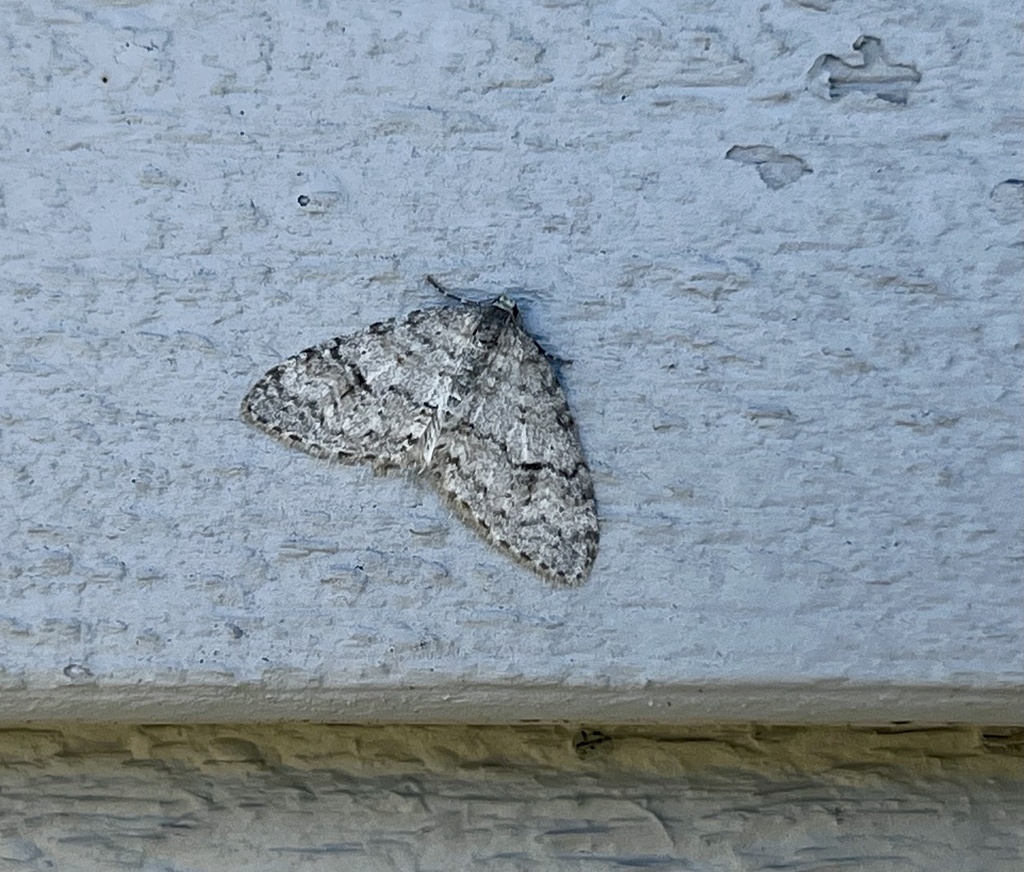
(c) Sheila Furlong, some rights reserved (CC BY-SA) · licence
Family: Geometridae · Class: Insecta · Order: Lepidoptera
Venusia duodecemlineata is a California animal in the Geometridae family.
Nomenia duodecemlineata is a geometrid moth in the family Geometridae, first described by Alpheus Spring Packard in 1873. This species belongs to the large family of moths commonly known as inchworms or loopers, characterized by their caterpillars' distinctive method of locomotion. The species occurs across western North America, with a documented range extending from British Columbia south through California, Nevada, Arizona, and New Mexico (iNaturalist). Within California, the species' specific distribution patterns and county-level occurrence data have not been comprehensively documented in available literature. Like many geometrid moths, this species likely has a broader distribution than currently recorded, as many populations remain undetected due to limited survey efforts for nocturnal lepidoptera. Specific habitat requirements for Nomenia duodecemlineata have not been well documented in the scientific literature. As a member of the Geometridae family, this species likely occupies forested or woodland habitats typical of the group. Many geometrid moths are associated with deciduous or mixed forests where their larval host plants occur. The elevation range and specific microhabitat preferences for this species remain undocumented, representing a significant knowledge gap in our understanding of its ecological requirements. The life history and ecological characteristics of Nomenia duodecemlineata are poorly known. Like other geometrid moths, this species likely undergoes complete metamorphosis with egg, larval, pupal, and adult stages. Geometridae larvae are typically herbivorous, feeding on the foliage of trees and shrubs, though the specific host plants for this species have not been identified in available sources. Adult flight periods, mating behaviors, and seasonal activity patterns remain undocumented. The species' role in ecosystem processes, including its function as both herbivore and prey species, follows the general ecological patterns of geometrid moths but lacks species-specific documentation. No conservation status has been assigned to Nomenia duodecemlineata at federal, state, or international levels. The species does not appear on any conservation watch lists or regulatory documents. Population trends, threats, and conservation needs are unknown due to the lack of systematic monitoring or research attention. Like many invertebrate species, particularly nocturnal moths, this species may face threats from habitat loss, light pollution, and climate change, but specific impacts have not been assessed. Scientific documentation for this species remains extremely limited. The information presented here is based on available sources including iNaturalist observations and basic taxonomic records. If you have additional verified information about this species' biology, distribution, or ecology, please contact us to help improve this species account.
Classification
Class: Insecta · Order: Lepidoptera · Family: Geometridae
Frequently asked questions
How is Venusia duodecemlineata classified?
Venusia duodecemlineata belongs to class Insecta, order Lepidoptera, family Geometridae.
What family does Venusia duodecemlineata belong to?
Venusia duodecemlineata is in the Geometridae family.
What is Venusia duodecemlineata?
Nomenia duodecemlineata is a geometrid moth in the family Geometridae, first described by Alpheus Spring Packard in 1873.
Is Venusia duodecemlineata found in California?
Yes. Venusia duodecemlineata is recorded in California in The California Species Project's catalogue.
Related species
Other California species in the same genus, family, or bioregion.
Data from The California Species Project — 14,000+ California species with verified data from CNPS, CDFW, USFWS, and more.