Vespericola karokorum
Karok Hesperian
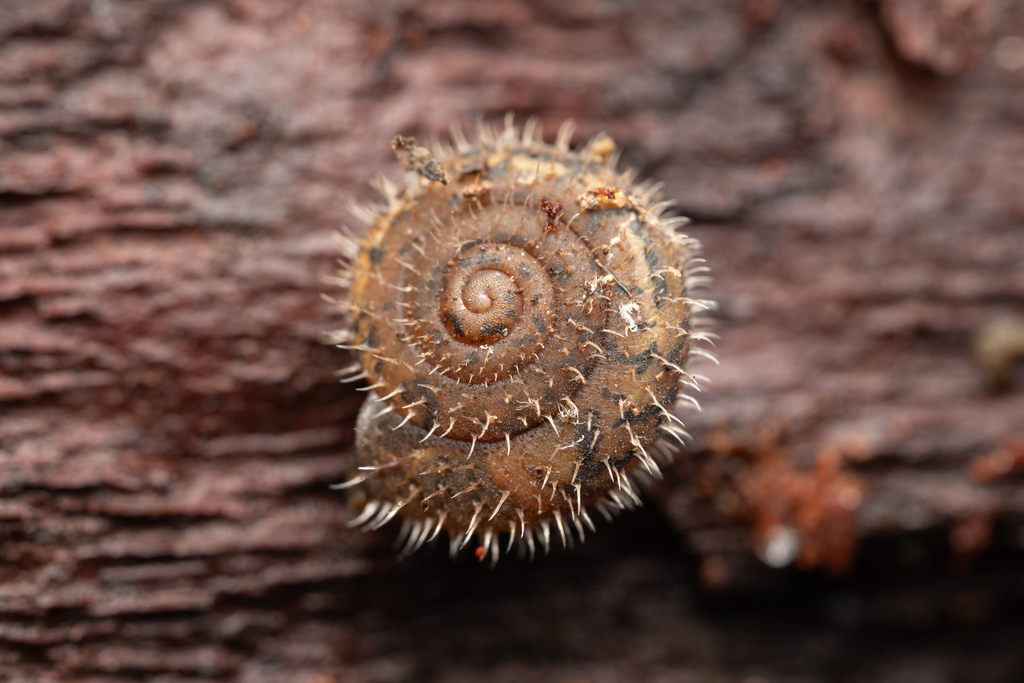
(c) Trevor Van Loon, some rights reserved (CC BY) · licence
Family: Polygyridae · Class: Gastropoda · Order: Stylommatophora
Conservation status: G2 S2
Vespericola karokorum (Karok Hesperian) is a California animal in the Polygyridae family.
Vespericola karokorum, commonly known as the Karok Hesperian, is a terrestrial gastropod mollusk in the family Polygyridae. This land snail species represents one of the less well-documented members of the genus Vespericola, which comprises several endemic species found in western North America. The taxonomic placement within Polygyridae indicates this species shares characteristics with other North American land snails that typically possess spirally coiled shells and inhabit terrestrial environments. The species is endemic to a restricted range, as indicated by its Global/State conservation ranking of G2 S2, signifying it is imperiled both globally and within California due to rarity and vulnerability to extirpation. The specific epithet 'karokorum' suggests a connection to the Karok (also spelled Karuk) people, an indigenous tribe of northwestern California, potentially indicating the species' distribution aligns with traditional Karok territory in the Klamath River region. Habitat requirements for V. karokorum have not been thoroughly documented in available scientific literature. Like other Vespericola species, it likely inhabits forested or woodland environments where adequate moisture and calcium sources support shell development and reproduction. The species probably requires specific microhabitat conditions including appropriate leaf litter depth, soil chemistry, and vegetation cover that characterize suitable terrestrial gastropod habitat. Ecological information regarding diet, reproductive behavior, and seasonal activity patterns remains largely undocumented for this species. Most terrestrial gastropods in the family Polygyridae are detritivores, feeding on decaying plant matter, fungi, and organic debris found in forest floor environments. Reproduction likely involves the production of calcified eggs deposited in soil or leaf litter, with development proceeding through typical gastropod life stages. The conservation status of G2 S2 indicates Vespericola karokorum faces significant conservation challenges. This ranking suggests the species has a very restricted range, limited population size, or faces specific threats that increase its vulnerability to extinction. The imperiled status may result from habitat loss, fragmentation, or degradation within its limited range. Land use changes, including logging, development, or altered fire regimes, could potentially impact the specialized microhabitat conditions required by this terrestrial mollusk. Detailed ecological studies, population assessments, and habitat characterization are needed to better understand the conservation needs of V. karokorum. The limited scientific documentation available for this species highlights the need for additional field research to determine its current distribution, population status, and specific habitat requirements. Such information would be essential for developing appropriate conservation strategies and assessing whether federal or state listing protection may be warranted for this imperiled California endemic.
Classification
Class: Gastropoda · Order: Stylommatophora · Family: Polygyridae
Conservation status
G2 S2
Frequently asked questions
How is Vespericola karokorum classified?
Vespericola karokorum belongs to class Gastropoda, order Stylommatophora, family Polygyridae.
What family does Vespericola karokorum belong to?
Vespericola karokorum is in the Polygyridae family.
Is Vespericola karokorum protected or of conservation concern?
Vespericola karokorum carries the following status: G2 S2.
What is Vespericola karokorum?
Vespericola karokorum, commonly known as the Karok Hesperian, is a terrestrial gastropod mollusk in the family Polygyridae.
Is Vespericola karokorum found in California?
Yes. Vespericola karokorum is recorded in California in The California Species Project's catalogue.
Related species
Other California species in the same genus, family, or bioregion.
Data from The California Species Project — 14,000+ California species with verified data from CNPS, CDFW, USFWS, and more.