Virbia costata
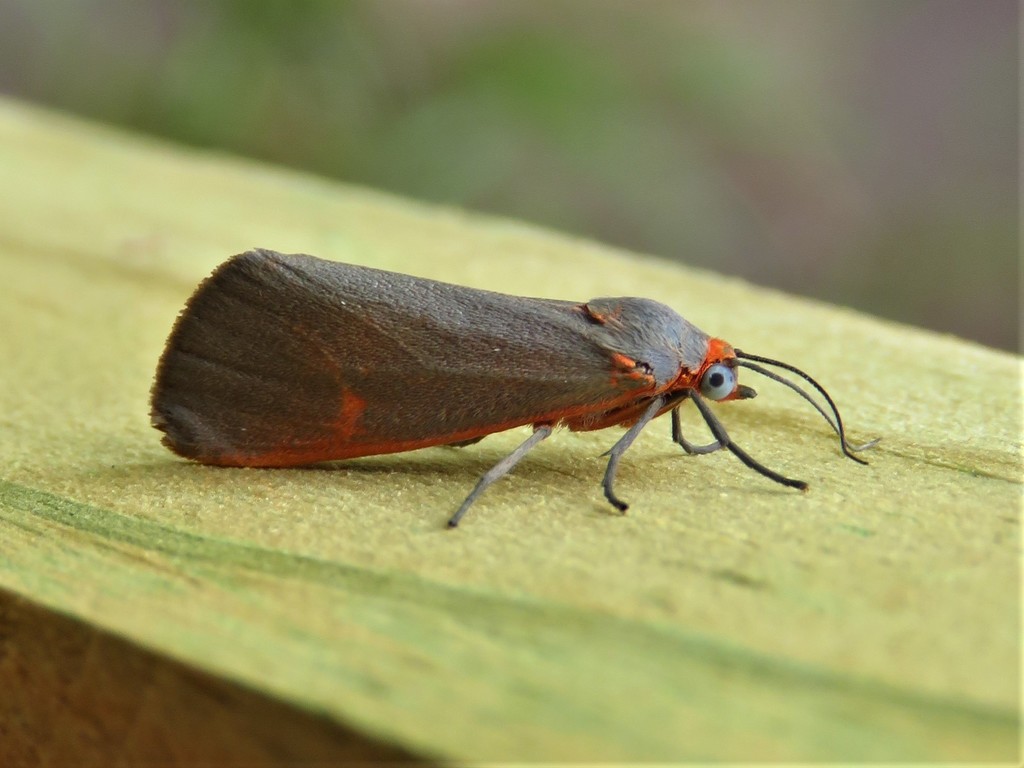
(c) Annika Lindqvist, some rights reserved (CC BY) · licence
Family: Erebidae · Class: Insecta · Order: Lepidoptera
Virbia costata is a California animal in the Erebidae family.
Virbia costata is a moth species in the family Erebidae, subfamily Arctiinae. This species belongs to a group commonly known as tiger moths or lichen moths, though specific morphological details for V. costata are limited in available literature. Like other members of the genus Virbia, adults are typically small to medium-sized moths with wingspans generally ranging from 15 to 25 mm (0.6 to 1.0 inches). The wings often display patterns of white, cream, or pale coloration with darker markings, though the specific wing patterns and coloration of V. costata require verification from specimen studies. The geographic distribution of Virbia costata appears to be restricted to western North America, with records from California. However, the precise range limits and county-level distribution within California remain poorly documented in accessible databases. The species' occurrence in other western states requires verification through museum records and recent surveys. Like many Erebidae species, V. costata may have a limited distribution tied to specific host plant availability and habitat conditions. Habitat requirements for Virbia costata are not well documented in current literature. Members of the genus Virbia typically inhabit areas where their host lichens or plants are abundant. Many Arctiinae moths are associated with various vegetation types including oak woodlands, mixed forests, and shrublands. Elevation ranges and specific microhabitat preferences for V. costata remain undetermined and would benefit from field studies and specimen locality data analysis. The life cycle and ecological behavior of Virbia costata follow the general pattern of other Erebidae moths. Adults likely emerge during specific seasonal periods, though flight times are not well documented. Larvae of related Virbia species often feed on lichens growing on tree bark, rocks, or other substrates. The larval host preferences for V. costata specifically are unknown and require investigation. Adult moths are presumably nocturnal, attracted to artificial lights, and may feed on flower nectar or other sugar sources. Mating behaviors, egg-laying preferences, and overwintering strategies have not been documented for this species. The conservation status of Virbia costata is currently unassessed at federal and state levels. Without population data, trend information, or threat assessments, the species' conservation needs cannot be properly evaluated. The apparent rarity of records may reflect either genuine scarcity, taxonomic confusion, or insufficient survey effort. Many micro-moths and lesser-known Lepidoptera species face potential threats from habitat loss, climate change, and pesticide use, but specific threats to V. costata populations remain unidentified. Further taxonomic work, including DNA analysis and comparison with related species, may be needed to clarify the species' validity and distribution. Comprehensive surveys focusing on potential habitats and host associations would provide essential baseline data for future conservation assessment and management planning.
Classification
Class: Insecta · Order: Lepidoptera · Family: Erebidae
Frequently asked questions
How is Virbia costata classified?
Virbia costata belongs to class Insecta, order Lepidoptera, family Erebidae.
What family does Virbia costata belong to?
Virbia costata is in the Erebidae family.
What is Virbia costata?
Virbia costata is a moth species in the family Erebidae, subfamily Arctiinae.
Is Virbia costata found in California?
Yes. Virbia costata is recorded in California in The California Species Project's catalogue.
Related species
Other California species in the same genus, family, or bioregion.
Data from The California Species Project — 14,000+ California species with verified data from CNPS, CDFW, USFWS, and more.