Vitula insula
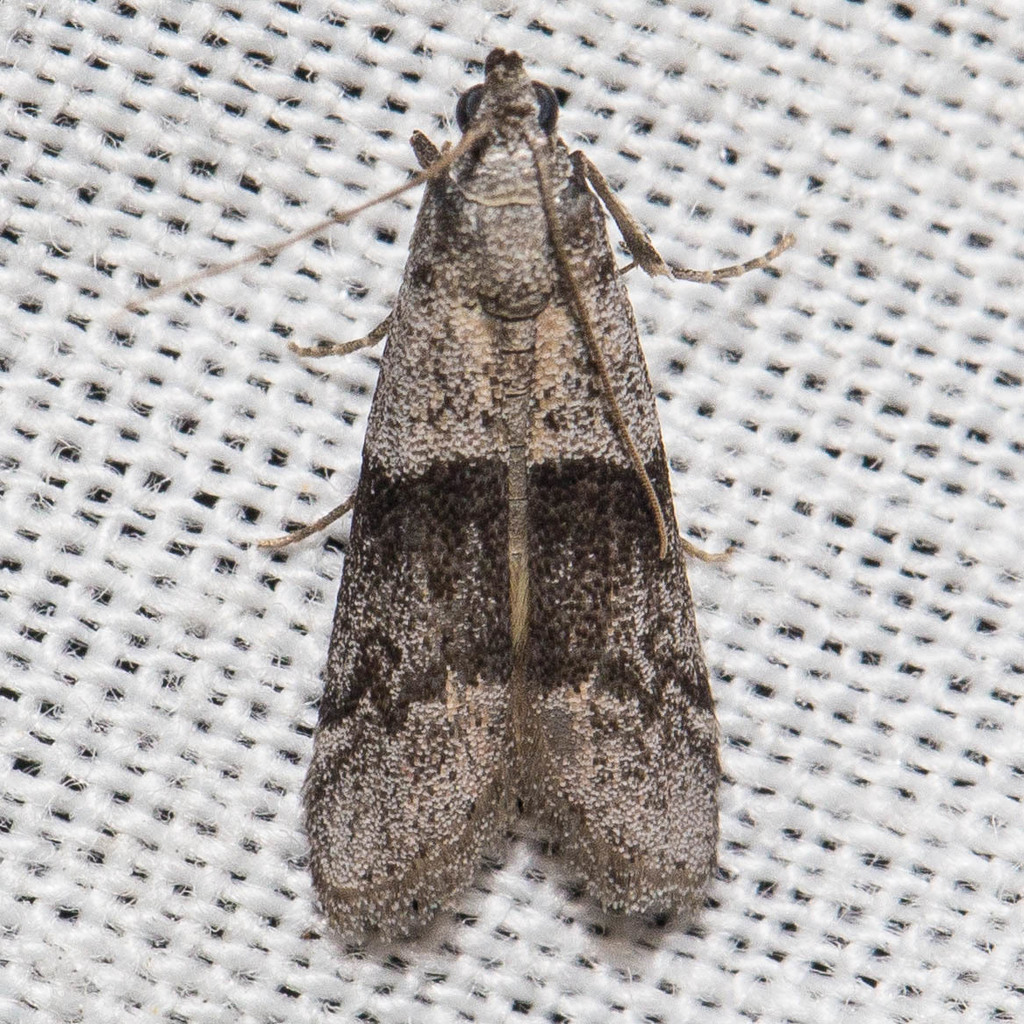
(c) Ken-ichi Ueda, some rights reserved (CC BY) · licence
Family: Pyralidae · Class: Insecta · Order: Lepidoptera
Vitula insula is a California animal in the Pyralidae family.
Vitula insula is a moth species in the family Pyralidae, one of the largest families of Lepidoptera commonly known as snout moths or pyralid moths. This species belongs to the genus Vitula, which comprises small to medium-sized moths typically associated with stored products or organic debris. Limited taxonomic and biological information is available for this particular species in the scientific literature. The physical characteristics of Vitula insula have not been comprehensively documented in accessible sources. Like other members of the Pyralidae family, it likely possesses the characteristic elongated labial palps that give snout moths their common name. The forewings are typically narrow and often display cryptic coloration patterns that provide camouflage. Adult wingspan measurements and specific morphological features distinguishing this species from congeners require further taxonomic study and documentation. The geographic distribution of Vitula insula remains poorly defined in current literature. The species epithet 'insula' suggests a possible association with island habitats, though this connection requires verification through systematic surveys and taxonomic review. Without comprehensive distributional records, the current range within California or other regions cannot be accurately determined from available sources. Habitat preferences and ecological requirements for Vitula insula are not well-documented in accessible scientific literature. Many Pyralidae species are associated with specific host plants or organic materials, with larvae often developing in stored products, plant debris, or specialized microhabitats. Some members of this family are found in association with fungal growth on decaying organic matter, while others may be linked to particular plant families or vegetation types. The life history and behavioral ecology of Vitula insula have not been thoroughly studied or reported in current entomological literature. Pyralidae moths typically undergo complete metamorphosis, with larvae often concealed within host material or organic substrates during development. Adult flight periods, mating behaviors, and larval host associations remain undocumented for this species. Many pyralid moths are nocturnal and attracted to artificial lights, but specific activity patterns for V. insula require field observation and study. The conservation status of Vitula insula cannot be assessed without adequate distributional data, population surveys, and ecological studies. The species does not appear in current federal or state endangered species databases, nor is it included in IUCN Red List assessments as of December 2025. This absence may reflect either stable population status or insufficient data rather than conservation concern. The lack of comprehensive taxonomic and ecological information represents a significant knowledge gap that limits effective conservation planning and assessment for this moth species. Future research priorities should include systematic surveys, taxonomic verification, host plant identification, and population status evaluation to determine appropriate conservation measures if needed.
Classification
Class: Insecta · Order: Lepidoptera · Family: Pyralidae
Frequently asked questions
How is Vitula insula classified?
Vitula insula belongs to class Insecta, order Lepidoptera, family Pyralidae.
What family does Vitula insula belong to?
Vitula insula is in the Pyralidae family.
What is Vitula insula?
Vitula insula is a moth species in the family Pyralidae, one of the largest families of Lepidoptera commonly known as snout moths or pyralid moths.
Is Vitula insula found in California?
Yes. Vitula insula is recorded in California in The California Species Project's catalogue.
Related species
Other California species in the same genus, family, or bioregion.
Data from The California Species Project — 14,000+ California species with verified data from CNPS, CDFW, USFWS, and more.