Vulpes vulpes
Red Fox
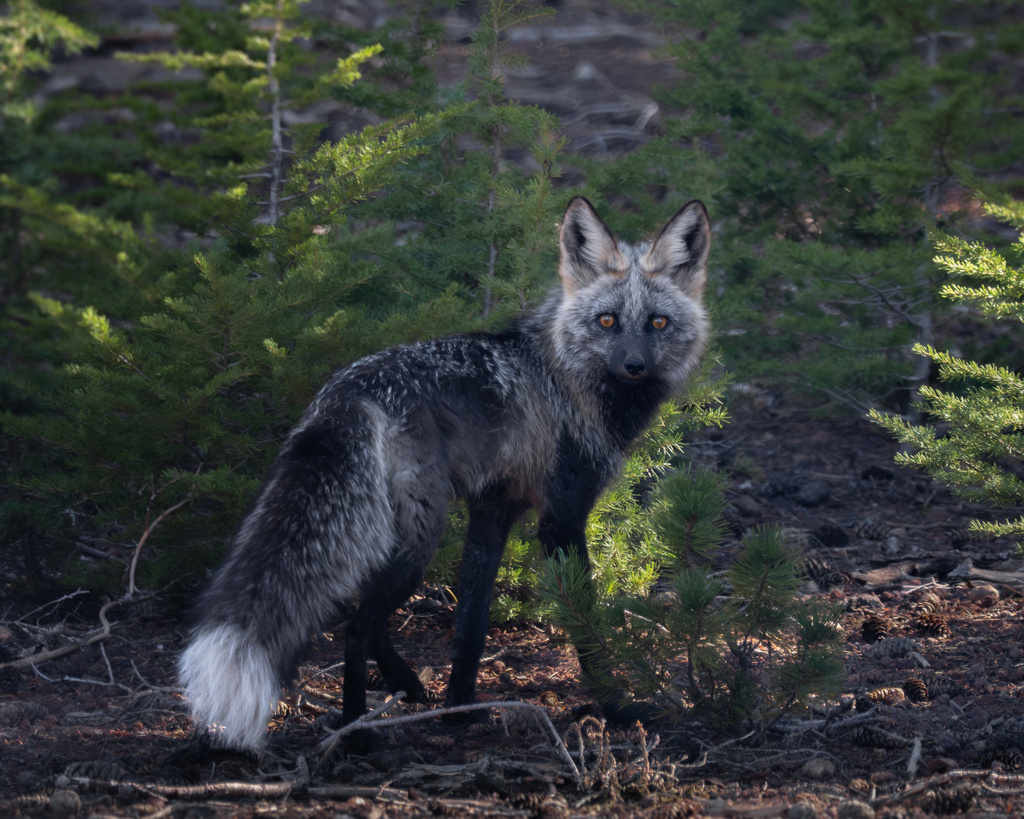
(c) David Willingham, some rights reserved (CC BY) · licence
Family: Canidae · Class: Mammalia · Order: Carnivora
Vulpes vulpes (Red Fox) is a California animal in the Canidae family.
The red fox is a medium-sized carnivore measuring 46 to 86 centimeters (18 to 34 inches) in body length, with an additional 30 to 56 centimeters (12 to 22 inches) of tail length. Adults typically weigh 2.2 to 14 kilograms (5 to 31 pounds), with males generally larger than females. The species exhibits considerable color variation, with the typical red phase featuring rusty-red to orange-red fur on the back and sides, white underparts, and black-tipped ears and legs. Black and silver color phases also occur, along with cross foxes displaying dark stripes across the shoulders and down the back. The distinctive bushy tail, comprising about one-third of total body length, typically displays a white tip. Red foxes have one of the largest global distributions of any wild land animal, occurring across North America, Europe, Asia, and northern Africa. In California, populations are present in suitable habitat throughout much of the state, from coastal regions to the Sierra Nevada mountains. The species occurs from sea level to elevations exceeding 4,000 meters (13,100 feet) in some mountain ranges. California populations include both native subspecies and descendants of introduced animals from fox farming operations in the early to mid-20th century. Red foxes occupy diverse habitats including grasslands, scrublands, woodlands, agricultural areas, and urban environments. They demonstrate high adaptability to human-modified landscapes and are commonly found in suburban areas with adequate cover and food sources. The species prefers edge habitats where different vegetation types meet, providing both hunting opportunities and denning sites. Dens are typically excavated in well-drained soils on hillsides or constructed under structures such as buildings, culverts, or rock piles. Red foxes are primarily nocturnal and crepuscular hunters, though they may be active during daylight hours, particularly when feeding young. Their diet consists mainly of small mammals, particularly rodents, but also includes birds, eggs, insects, fruits, and carrion. Hunting behavior involves stalking and pouncing, with the species capable of hearing small mammals moving beneath snow or vegetation. Breeding occurs from December through March, with a gestation period of 49 to 58 days. Females produce litters of 3 to 12 kits, which remain with parents until late summer or early fall. The red fox is not federally listed and has no special conservation status in California as of December 2025. Global populations are considered stable and the species is classified as Least Concern by the International Union for Conservation of Nature. However, some native subspecies face localized threats from habitat loss, vehicle strikes, and competition with non-native red fox populations. The Sierra Nevada red fox, a distinct subspecies, has experienced significant population declines and is considered critically imperiled. Management challenges include distinguishing between native and introduced populations and addressing conflicts with domestic poultry and small livestock operations.
Classification
Class: Mammalia · Order: Carnivora · Family: Canidae
Frequently asked questions
How is Vulpes vulpes classified?
Vulpes vulpes belongs to class Mammalia, order Carnivora, family Canidae.
What family does Vulpes vulpes belong to?
Vulpes vulpes is in the Canidae family.
What is Vulpes vulpes?
The red fox is a medium-sized carnivore measuring 46 to 86 centimeters (18 to 34 inches) in body length, with an additional 30 to 56 centimeters (12 to 22 inches) of tail length.
Is Vulpes vulpes found in California?
Yes. Vulpes vulpes is recorded in California in The California Species Project's catalogue.
Related species
Other California species in the same genus, family, or bioregion.
Data from The California Species Project — 14,000+ California species with verified data from CNPS, CDFW, USFWS, and more.