Vulpes vulpes necator pop. 1
Sierra Nevada red fox - southern Cascades DPS
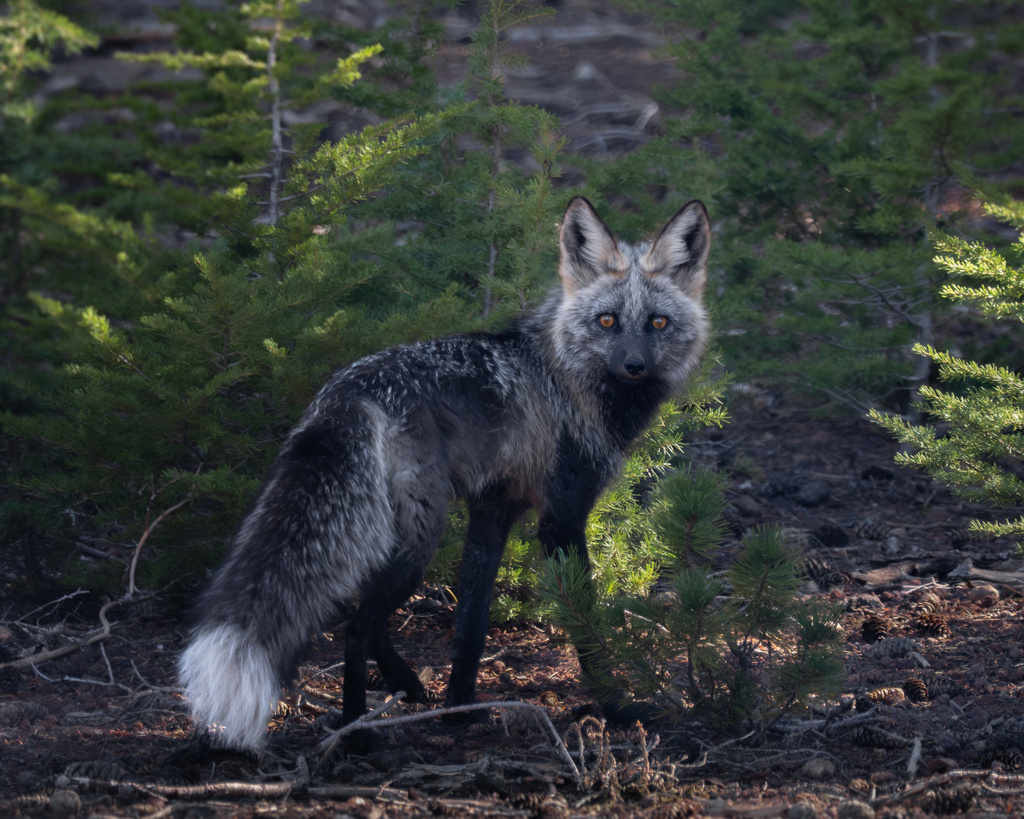
(c) David Willingham, some rights reserved (CC BY) · licence
Family: Canidae · Class: Mammalia · Order: Carnivora
Conservation status: ST · G5TNR S1
Vulpes vulpes necator pop. 1 (Sierra Nevada red fox - southern Cascades DPS) is a California animal in the Canidae family.
The Sierra Nevada red fox southern Cascades distinct population segment (DPS) represents one of two remaining populations of the subspecies Vulpes vulpes necator, a small carnivore adapted to high-elevation montane environments. This fox is smaller than most other fox species, typically measuring 48 to 58 cm (19 to 23 inches) in body length with a tail length of 28 to 35 cm (11 to 14 inches). Adults weigh approximately 2.2 to 4.1 kg (5 to 9 pounds). The species exhibits distinctive adaptations for alpine survival, including thick, dense fur that provides insulation against extreme cold and fuzzy paws that function as natural snowshoes for traversing deep snow. The coat coloration varies seasonally, with summer pelage appearing more reddish and winter fur becoming darker and more grizzled. Historically, Sierra Nevada red foxes occurred throughout high-elevation areas of the Sierra Nevada and Cascade Range. Today, the species exists as two geographically separated populations: the Sierra Nevada DPS in California's Sierra Nevada mountains and the southern Cascades DPS in the southern Cascade Range of California and Oregon. The southern Cascades population occupies fragmented habitat areas, with current distribution significantly reduced from historical range. The southern Cascades DPS inhabits alpine and subalpine environments typically above 1,500 meters (5,000 feet) elevation, though some records exist from areas above 2,700 meters (9,000 feet). These foxes occupy areas characterized by red fir, subalpine fir, and whitebark pine forests, as well as alpine meadows and rocky outcrops. The species shows strong fidelity to areas with persistent snow cover and complex terrain that provides denning sites and thermal refugia. Sierra Nevada red foxes are opportunistic predators with a diet consisting primarily of small mammals including voles, pocket gophers, and pikas. They also consume birds, insects, and seasonal fruits. Breeding typically occurs from February through April, with females producing litters of 2 to 5 kits after a gestation period of approximately 52 days. Dens are established in rocky crevices, hollow logs, or excavated burrows. The species exhibits crepuscular and nocturnal activity patterns, using established travel routes across their territories. The southern Cascades DPS faces multiple conservation challenges including habitat fragmentation, climate change impacts on alpine ecosystems, wildfire events, and competition with coyotes. Hybridization with non-native red fox populations poses a significant genetic threat. While the Sierra Nevada DPS was listed as endangered under the Endangered Species Act in August 2021, the southern Cascades DPS maintains a separate conservation status. California has listed the subspecies as threatened under state law. Population estimates for both DPS combined suggest extremely low numbers, with the Sierra Nevada population estimated at only 18 to 39 individuals (USFWS 2021). Conservation efforts focus on habitat protection, genetic monitoring, and reducing hybridization threats through collaborative partnerships between federal agencies, state wildlife departments, and research institutions.
Classification
Class: Mammalia · Order: Carnivora · Family: Canidae
Conservation status
ST · G5TNR S1
Frequently asked questions
How is Vulpes vulpes necator pop. 1 classified?
Vulpes vulpes necator pop. 1 belongs to class Mammalia, order Carnivora, family Canidae.
What family does Vulpes vulpes necator pop. 1 belong to?
Vulpes vulpes necator pop. 1 is in the Canidae family.
Is Vulpes vulpes necator pop. 1 protected or of conservation concern?
Vulpes vulpes necator pop. 1 carries the following status: ST · G5TNR S1.
What is Vulpes vulpes necator pop. 1?
The Sierra Nevada red fox southern Cascades distinct population segment (DPS) represents one of two remaining populations of the subspecies Vulpes vulpes necator, a small carnivore adapted to high-elevation montane environments.
Is Vulpes vulpes necator pop. 1 found in California?
Yes. Vulpes vulpes necator pop. 1 is recorded in California in The California Species Project's catalogue.
Related species
Other California species in the same genus, family, or bioregion.
Data from The California Species Project — 14,000+ California species with verified data from CNPS, CDFW, USFWS, and more.