Xantusia henshawi
Granite Night Lizard
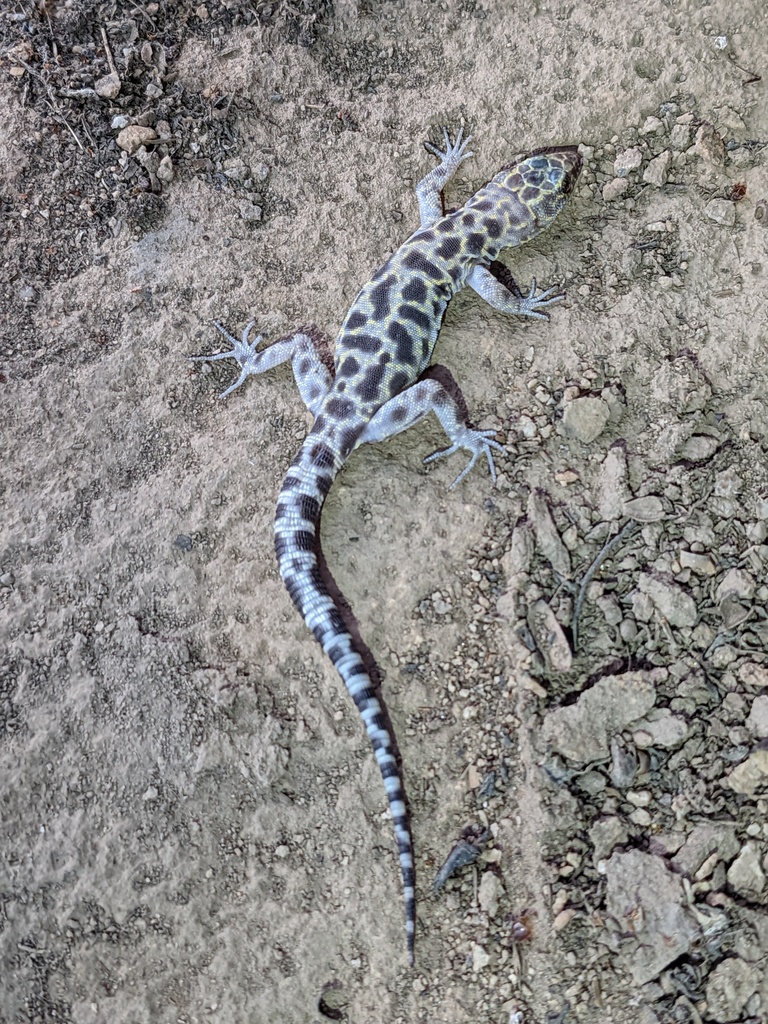
(c) Trevor Van Loon, some rights reserved (CC BY) · licence
Family: Xantusiidae · Class: Reptilia · Order: Squamata
Xantusia henshawi (Granite Night Lizard) is a California animal in the Xantusiidae family.
The granite night lizard is a small, nocturnal reptile endemic to southern California's granite boulder habitats. Adults typically measure 45 to 60 millimeters (1.8 to 2.4 inches) in snout-to-vent length, with a total length including tail reaching 100 to 130 millimeters (3.9 to 5.1 inches). The dorsal coloration ranges from gray to brown with darker crossbands or spots, providing effective camouflage against granite surfaces. The ventral surface is typically lighter, appearing cream to pale yellow. Like other night lizards, this species lacks moveable eyelids, instead having transparent scales covering the eyes. The body is flattened dorsoventrally, an adaptation that allows the lizard to squeeze into narrow rock crevices. Granite night lizards occur in the Peninsular and Transverse mountain ranges of southern California, extending from Riverside and San Bernardino counties south through Orange and San Diego counties. The species also occurs in Baja California, Mexico. Within California, populations are documented from sea level to elevations exceeding 2,300 meters (7,500 feet) in the San Jacinto Mountains. The distribution closely follows the occurrence of suitable granite formations throughout these mountain ranges. This species is strictly associated with granite boulder fields and rocky outcrops characterized by exfoliated rock surfaces with abundant cracks, crevices, and spaces between granite slabs. The lizards require these microhabitats for shelter, thermoregulation, and foraging opportunities. Habitat types include chaparral, oak woodland, pine-oak forests, and desert scrub communities where granite outcrops occur. The species shows strong fidelity to specific rock formations and does not readily move between distant granite areas. Granite night lizards are primarily nocturnal and crepuscular, emerging from rock crevices during evening hours to forage. Their diet consists primarily of arthropods, including spiders, beetles, moths, termites, and other small invertebrates found on rock surfaces and in crevices. Like other Xantusia species, granite night lizards are viviparous, giving birth to live young rather than laying eggs. Mating typically occurs in spring, with females producing one to three offspring after a gestation period of approximately four months. Young are born from August through October and reach sexual maturity at about two years of age. These lizards exhibit strong site fidelity, with individuals often remaining within small home ranges centered on specific granite formations. Although not federally listed, granite night lizards face conservation challenges related to habitat destruction and collection pressure. The species is protected under California law, which prohibits collection and habitat disturbance. The primary threat involves damage to granite formations through rock climbing, boulder removal, and recreational activities that disturb the exfoliated rock surfaces essential for the species' survival. Since granite exfoliation occurs over geological timescales, damaged habitat cannot be readily restored. Climate change may pose additional future threats through altered precipitation patterns and increased fire frequency in southern California's mountainous regions.
Classification
Class: Reptilia · Order: Squamata · Family: Xantusiidae
Frequently asked questions
How is Xantusia henshawi classified?
Xantusia henshawi belongs to class Reptilia, order Squamata, family Xantusiidae.
What family does Xantusia henshawi belong to?
Xantusia henshawi is in the Xantusiidae family.
What is Xantusia henshawi?
The granite night lizard is a small, nocturnal reptile endemic to southern California's granite boulder habitats.
Is Xantusia henshawi found in California?
Yes. Xantusia henshawi is recorded in California in The California Species Project's catalogue.
Related species
Other California species in the same genus, family, or bioregion.
Data from The California Species Project — 14,000+ California species with verified data from CNPS, CDFW, USFWS, and more.