Xerarionta intercisa
Horseshoe Snail
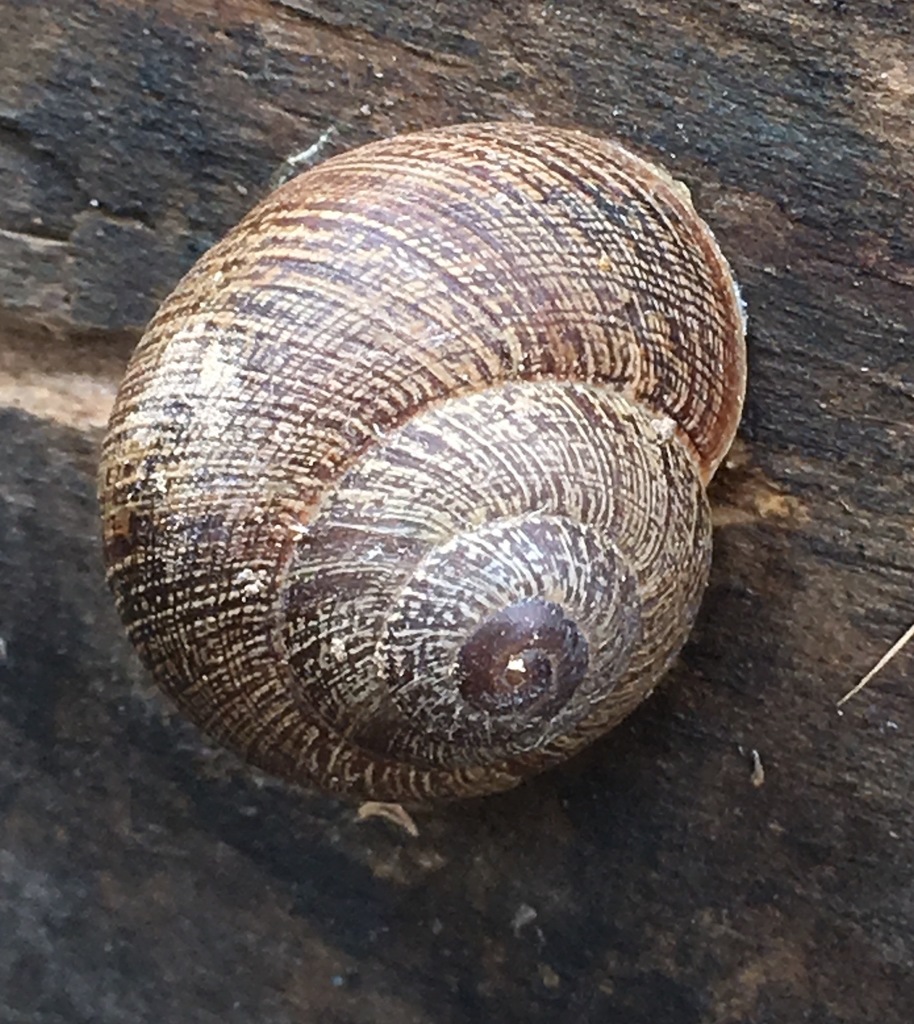
(c) Adam J. Searcy, some rights reserved (CC BY) · licence
Family: Xanthonychidae · Class: Gastropoda · Order: Stylommatophora
Conservation status: G1 S1
Xerarionta intercisa (Horseshoe Snail) is a California animal in the Xanthonychidae family.
The horseshoe snail is a terrestrial gastropod mollusk belonging to the family Xanthonychidae. As indicated by its common name, this species is also known as the plain cactussnail. The shell morphology and size characteristics of this species have not been well documented in available scientific literature, representing a significant knowledge gap for this rare California endemic. Xerarionta intercisa is endemic to San Clemente Island, California, where it occurs on Navy-controlled land at the San Clemente Island Naval Reservation. According to the U.S. Fish and Wildlife Service, this species belongs to the genus Xerarionta, which contains six species, two of which are of federal conservation concern. The species' distribution appears to be highly restricted to this single offshore island location approximately 68 miles west of San Diego. Specific habitat requirements for the horseshoe snail have not been extensively studied or documented. Given its classification as a cactussnail and its island location, the species likely inhabits arid or semi-arid terrestrial environments characteristic of San Clemente Island's Mediterranean climate. The island features coastal sage scrub, grassland, and maritime desert scrub vegetation communities, though the precise microhabitat preferences of X. intercisa remain poorly understood. Ecological information regarding the horseshoe snail's behavior, diet, and reproductive biology is extremely limited in current scientific literature. Like other terrestrial gastropods, the species is presumably herbivorous, feeding on plant material, fungi, or organic detritus. Reproductive patterns, seasonal activity, and specific dietary preferences have not been documented through systematic research. The species' relationship with potential host plants or specific vegetation associations requires further investigation. The horseshoe snail carries a global rank of G1 and state rank of S1, indicating it is critically imperiled both globally and within California due to extreme rarity or factors making it especially vulnerable to extirpation. This ranking reflects the species' highly restricted range limited to San Clemente Island. A 2004 NatureServe report documented the presence of this species on Department of Defense installations, specifically noting one occurrence at the San Clemente Island Naval Reservation. The species does not currently appear on federal or California state threatened and endangered species lists, though its G1/S1 ranking suggests significant conservation concern. Primary threats to the horseshoe snail likely include habitat modification, invasive plant species that alter native vegetation communities, and the inherent vulnerability associated with having an extremely small population confined to a single island location. Climate change may pose additional risks through altered precipitation patterns and increased frequency of drought conditions. The species' occurrence on military land may provide some protection from development pressures, but also presents potential impacts from military training activities. Scientific documentation for this species remains extremely limited. The information presented here synthesizes available data from federal databases and conservation assessments. Detailed ecological studies, population surveys, and taxonomic research are needed to better understand this rare California endemic and inform appropriate conservation strategies.
Classification
Class: Gastropoda · Order: Stylommatophora · Family: Xanthonychidae
Conservation status
G1 S1
Frequently asked questions
How is Xerarionta intercisa classified?
Xerarionta intercisa belongs to class Gastropoda, order Stylommatophora, family Xanthonychidae.
What family does Xerarionta intercisa belong to?
Xerarionta intercisa is in the Xanthonychidae family.
Is Xerarionta intercisa protected or of conservation concern?
Xerarionta intercisa carries the following status: G1 S1.
What is Xerarionta intercisa?
The horseshoe snail is a terrestrial gastropod mollusk belonging to the family Xanthonychidae.
Is Xerarionta intercisa found in California?
Yes. Xerarionta intercisa is recorded in California in The California Species Project's catalogue.
Related species
Other California species in the same genus, family, or bioregion.
Data from The California Species Project — 14,000+ California species with verified data from CNPS, CDFW, USFWS, and more.