Xyrauchen texanus
Razorback sucker
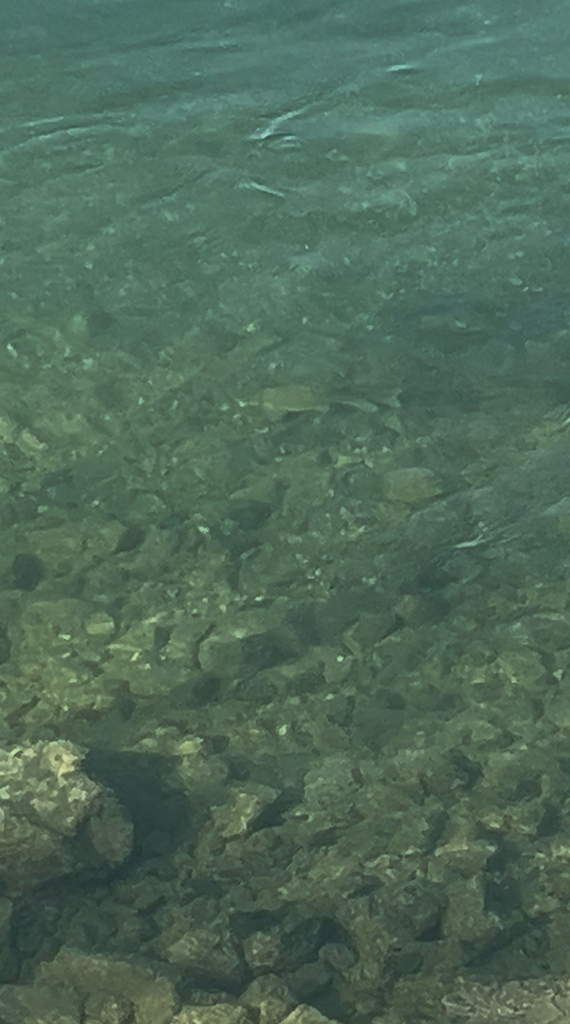
(c) Mike Heine, some rights reserved (CC BY) · licence
Family: Catostomidae · Class: Actinopterygii · Order: Cypriniformes
Conservation status: FP · Endangered · G1 S1S2
Xyrauchen texanus (Razorback sucker) is a California animal in the Catostomidae family.
The razorback sucker is a large, distinctive freshwater fish endemic to the Colorado River Basin. Adults typically measure 300 to 600 mm (12 to 24 inches) in total length and can weigh up to 6 kilograms (13 pounds). The species is characterized by a pronounced, sharp-edged dorsal ridge or 'razorback' extending from the head to the dorsal fin, giving the fish its common name. The body is elongated and laterally compressed, with a small, subterminal mouth positioned on the underside of the head. Coloration ranges from olive-brown to dark gray dorsally, fading to yellow or white ventrally. The fins are typically dusky to dark in color. Historically, razorback sucker inhabited the entire Colorado River Basin, including major tributaries such as the Green, San Juan, Little Colorado, and Gila rivers. The species ranged from Wyoming and Colorado downstream to the Colorado River Delta in Mexico. Currently, wild populations persist primarily in Lake Mohave on the Arizona-Nevada border and in limited reaches of the Green River in Utah. The species has been extirpated from most of its historical range, including California waters where it once occurred in the lower Colorado River. Razorback sucker occupy large river systems and associated backwaters, preferring areas with slow-moving or still water. Adults are typically found in deep pools, eddies, and slackwater areas of rivers, as well as in reservoirs and lakes. Juveniles utilize shallow, vegetated backwaters and floodplain habitats that provide protection from predators and abundant food resources. Water temperatures ranging from 15 to 30°C (59 to 86°F) are optimal for the species. This species is long-lived, with individuals reaching ages exceeding 40 years. Razorback sucker are omnivorous, feeding on algae, detritus, aquatic invertebrates, and small fish. Adults migrate to spawning areas during spring floods, typically from March through June when water temperatures reach 16 to 20°C (61 to 68°F). Females broadcast adhesive eggs over gravel or rocky substrates in shallow water, with a single female capable of producing 100,000 to 200,000 eggs. Larvae drift downstream to nursery habitats in backwaters and floodplains. The U.S. Fish and Wildlife Service listed the razorback sucker as endangered in 1991 due to severe population declines throughout its range. Primary threats include habitat modification from dam construction and water diversions, competition and predation from non-native fish species, and altered flow regimes that eliminate critical spawning and nursery habitats. The species is managed under a multi-state recovery program that includes captive breeding, habitat restoration, and non-native species control. Despite ongoing conservation efforts, natural recruitment remains extremely limited, with most populations dependent on hatchery supplementation for persistence.
Classification
Class: Actinopterygii · Order: Cypriniformes · Family: Catostomidae
Conservation status
FP · Endangered · G1 S1S2
Frequently asked questions
How is Xyrauchen texanus classified?
Xyrauchen texanus belongs to class Actinopterygii, order Cypriniformes, family Catostomidae.
What family does Xyrauchen texanus belong to?
Xyrauchen texanus is in the Catostomidae family.
Is Xyrauchen texanus protected or of conservation concern?
Xyrauchen texanus carries the following status: FP · Endangered · G1 S1S2.
What is Xyrauchen texanus?
The razorback sucker is a large, distinctive freshwater fish endemic to the Colorado River Basin.
Is Xyrauchen texanus found in California?
Yes. Xyrauchen texanus is recorded in California in The California Species Project's catalogue.
Related species
Other California species in the same genus, family, or bioregion.
Data from The California Species Project — 14,000+ California species with verified data from CNPS, CDFW, USFWS, and more.