Zale lunata
Lunate Zale Moth
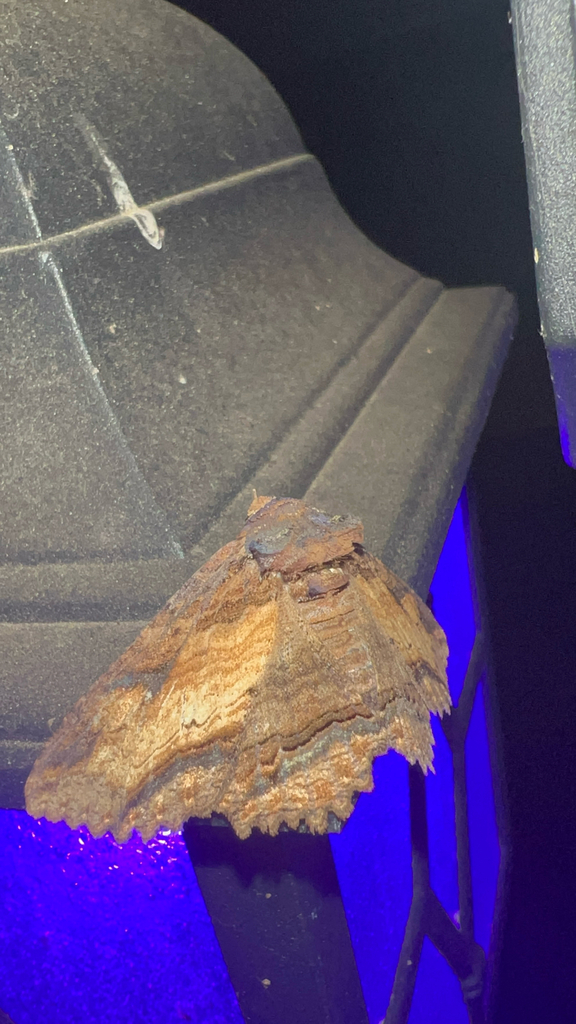
(c) Zeke Blankenship, some rights reserved (CC BY) · licence
Family: Erebidae · Class: Insecta · Order: Lepidoptera
Zale lunata (Lunate Zale Moth) is a California animal in the Erebidae family.
The Lunate Zale Moth (Zale lunata) is a nocturnal moth in the family Erebidae, subfamily Erebinae. Adults have a wingspan of approximately 35-45 mm (1.4-1.8 inches). The forewings are mottled gray-brown with darker zigzag lines and pale patches that create a cryptic bark-like pattern. The species name 'lunata' refers to the distinctive crescent or lunate-shaped pale marking near the center of each forewing. The hindwings are lighter in coloration, typically pale gray to whitish with subtle darker markings along the margins. When at rest, the moth holds its wings horizontally, pressed against tree bark where its coloration provides effective camouflage. Zale lunata occurs across much of North America, with its range extending from southern Canada through the United States into northern Mexico. In California, the species has been documented in various counties, though distribution records remain scattered and incomplete. The moth appears to be more common in northern and central California counties, with fewer records from southern regions. Historical occurrence data suggests the species may have experienced range contractions in some areas, though comprehensive surveys are lacking. The species inhabits mixed deciduous and coniferous forests, woodland edges, and riparian areas from sea level to moderate elevations. Adults are typically found in areas with abundant hardwood trees, particularly oak species. The moth shows a preference for areas with mature canopy cover and diverse understory vegetation. Larvae develop on various deciduous trees and shrubs, with oak species (Quercus spp.) serving as primary hosts, though they may also utilize other hardwoods including willow and poplar species. Adults are active from late spring through early fall, with peak flight periods varying by location and elevation. In California, flight activity typically occurs from May through September, with possible multiple generations in warmer areas. Males are attracted to artificial lights and pheromone sources. Females deposit eggs singly or in small clusters on host plant foliage or bark crevices. Larvae are nocturnal feeders that construct silk shelters among leaves or in bark crevices during daylight hours. The caterpillars are brown or gray with longitudinal stripes, providing camouflage against tree bark. Pupation occurs in soil or leaf litter, with the species overwintering in the pupal stage. Currently, Zale lunata lacks formal conservation status designations at federal or state levels. Population trends are poorly documented due to limited systematic monitoring of noctuid moths in California. Like many forest-associated moths, the species potentially faces threats from habitat loss, forest fragmentation, pesticide applications, and climate change impacts on host plant distributions. Light pollution may disrupt natural behaviors and increase mortality through attraction to artificial light sources. The species' dependence on mature forest habitats makes it vulnerable to logging and urban development pressures, particularly in California's rapidly developing regions.
Classification
Class: Insecta · Order: Lepidoptera · Family: Erebidae
Frequently asked questions
How is Zale lunata classified?
Zale lunata belongs to class Insecta, order Lepidoptera, family Erebidae.
What family does Zale lunata belong to?
Zale lunata is in the Erebidae family.
What is Zale lunata?
The Lunate Zale Moth (Zale lunata) is a nocturnal moth in the family Erebidae, subfamily Erebinae.
Is Zale lunata found in California?
Yes. Zale lunata is recorded in California in The California Species Project's catalogue.
Related species
Other California species in the same genus, family, or bioregion.
Data from The California Species Project — 14,000+ California species with verified data from CNPS, CDFW, USFWS, and more.