Zale rubi
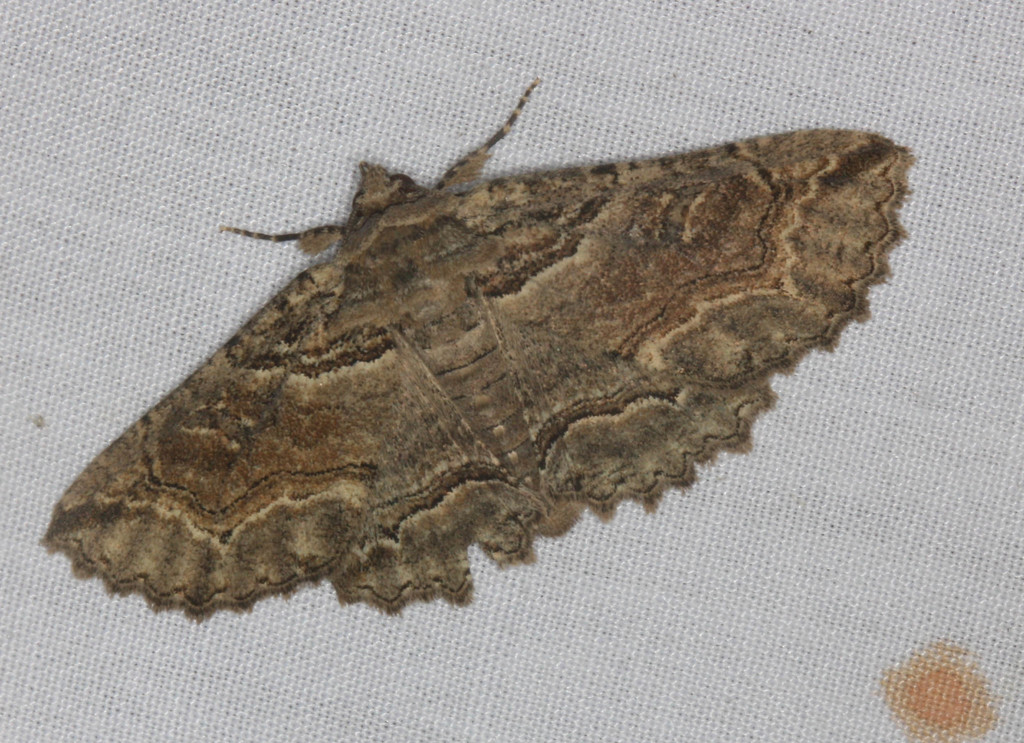
no rights reserved · CC0
Family: Erebidae · Class: Insecta · Order: Lepidoptera
Zale rubi is a California animal in the Erebidae family.
Zale rubi is a moth species in the family Erebidae, subfamily Erebinae. This nocturnal lepidopteran belongs to the genus Zale, commonly known as colorful zale moths. Adult moths display cryptic coloration patterns typical of the genus, with forewings featuring complex mottled patterns in shades of brown, gray, and rust-colored markings that provide effective camouflage against tree bark and leaf litter. The species exhibits sexual dimorphism, with males typically displaying more prominent antennae and slightly smaller body size compared to females. Wing span measurements range from approximately 35 to 45 millimeters across the forewings. The geographic distribution of Zale rubi appears to be restricted to western North America, with documented occurrences in California and potentially extending into adjacent states. Specific range information for this species remains limited in current literature, though moth surveys and collection records suggest the species occurs in various regions of California where suitable habitat conditions exist. The species' distribution may be more extensive than currently documented, as many Erebidae moths are understudied and may be confused with closely related species. Zale rubi inhabits mixed woodland environments, particularly areas with diverse deciduous and coniferous tree species. The species shows preference for forested habitats with moderate canopy cover, where adults can find suitable roosting sites during daylight hours. Elevation preferences and specific microhabitat requirements remain poorly documented, though related Zale species typically occur from sea level to mid-elevation mountain forests. The species likely requires intact forest ecosystems with minimal fragmentation to support viable populations. As a nocturnal moth, Zale rubi exhibits typical erebid behavior patterns, with adults active during nighttime hours when they engage in mating and feeding activities. Adults are attracted to artificial light sources, making them occasional subjects for moth surveys and citizen science projects. The species likely has one generation per year in most of its range, with adults emerging during specific seasonal windows. Larval host plants remain undocumented for this species, though related Zale moths typically utilize various deciduous tree species including oaks, maples, and other hardwoods. Caterpillars likely feed on foliage during their developmental stages, pupating in soil or leaf litter. Conservation status information for Zale rubi is currently limited, with no federal or state listing designations documented. The species appears to lack comprehensive population assessments or monitoring programs, which is common for many moth species that receive less conservation attention than butterflies or other more charismatic insects. Potential threats may include habitat loss from urbanization and forest management practices, though specific impacts on this species have not been quantified. Climate change may affect the species' distribution and phenology, particularly if warming temperatures alter the composition of forest communities where the species occurs. Additional research is needed to better understand the species' ecology, distribution, and conservation needs.
Classification
Class: Insecta · Order: Lepidoptera · Family: Erebidae
Frequently asked questions
How is Zale rubi classified?
Zale rubi belongs to class Insecta, order Lepidoptera, family Erebidae.
What family does Zale rubi belong to?
Zale rubi is in the Erebidae family.
What is Zale rubi?
Zale rubi is a moth species in the family Erebidae, subfamily Erebinae.
Is Zale rubi found in California?
Yes. Zale rubi is recorded in California in The California Species Project's catalogue.
Related species
Other California species in the same genus, family, or bioregion.
Data from The California Species Project — 14,000+ California species with verified data from CNPS, CDFW, USFWS, and more.