Zale termina
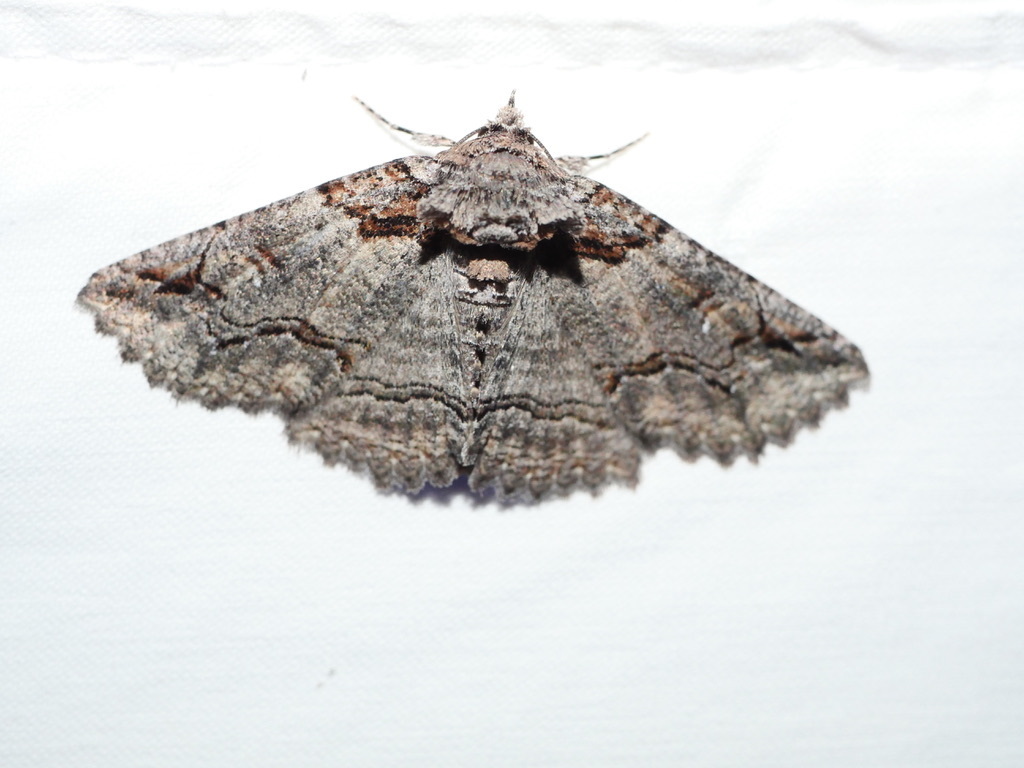
no rights reserved · CC0
Family: Erebidae · Class: Insecta · Order: Lepidoptera
Zale termina is a California animal in the Erebidae family.
Zale termina is a moth species in the family Erebidae, subfamily Erebinae. This nocturnal lepidopteran belongs to a genus commonly known as colorful zales or prominent moths. Adults typically measure 35-45 mm in wingspan, displaying the characteristic wing patterns of the Zale genus with mottled brown and gray coloration that provides effective camouflage against tree bark and dead leaves. The species occurs in western North America, with documented populations in California, Oregon, and Washington. In California, Zale termina has been recorded from various counties including those in the Sierra Nevada foothills and coastal ranges. The species appears to have a relatively limited distribution compared to other Zale species, though comprehensive surveys of its full range remain incomplete. Zale termina inhabits mixed woodland and forest environments, particularly areas with oak-pine associations and riparian corridors. Adults are typically found at elevations ranging from near sea level to approximately 1,500 meters. The species shows preference for areas with diverse woody vegetation that supports both larval host plants and adult nectar sources. Forest edges and clearings appear to be important habitat components. Like other members of the Zale genus, Z. termina exhibits nocturnal behavior with adults active during evening and nighttime hours. Adults are attracted to artificial lights and sugar baits, making them occasionally encountered by moth enthusiasts and researchers conducting nighttime surveys. The species is univoltine in most areas, with a single generation per year. Adults typically emerge in late summer and early fall, with peak activity occurring from August through October. Mating occurs during this period, with females depositing eggs on or near host plants. Larval development occurs during spring and early summer months. Caterpillars feed on various deciduous trees and shrubs, though specific host plant preferences for Z. termina require further documentation. Related Zale species utilize plants in families such as Rosaceae, Salicaceae, and Fagaceae, suggesting similar host associations may occur for this species. Larvae typically undergo five instars before pupating in soil or leaf litter. The conservation status of Zale termina has not been formally assessed by state or federal agencies. The species lacks specific protection under the Endangered Species Act or California Endangered Species Act. Population trends remain poorly documented due to limited systematic monitoring of moth communities. Potential threats may include habitat loss from urban development, forest management practices, and climate change impacts on forest ecosystems. Light pollution could affect adult behavior and reproduction, as documented for other nocturnal lepidopteran species. Further research is needed to clarify the species' distribution, host plant relationships, and population status. Standardized moth monitoring programs could provide valuable data on population trends and habitat requirements. Conservation of diverse forest habitats will likely benefit this species along with numerous other woodland moths that remain understudied components of California's biodiversity.
Classification
Class: Insecta · Order: Lepidoptera · Family: Erebidae
Frequently asked questions
How is Zale termina classified?
Zale termina belongs to class Insecta, order Lepidoptera, family Erebidae.
What family does Zale termina belong to?
Zale termina is in the Erebidae family.
What is Zale termina?
Zale termina is a moth species in the family Erebidae, subfamily Erebinae.
Is Zale termina found in California?
Yes. Zale termina is recorded in California in The California Species Project's catalogue.
Related species
Other California species in the same genus, family, or bioregion.
Data from The California Species Project — 14,000+ California species with verified data from CNPS, CDFW, USFWS, and more.