Zelus renardii
Leafhopper Assassin Bug
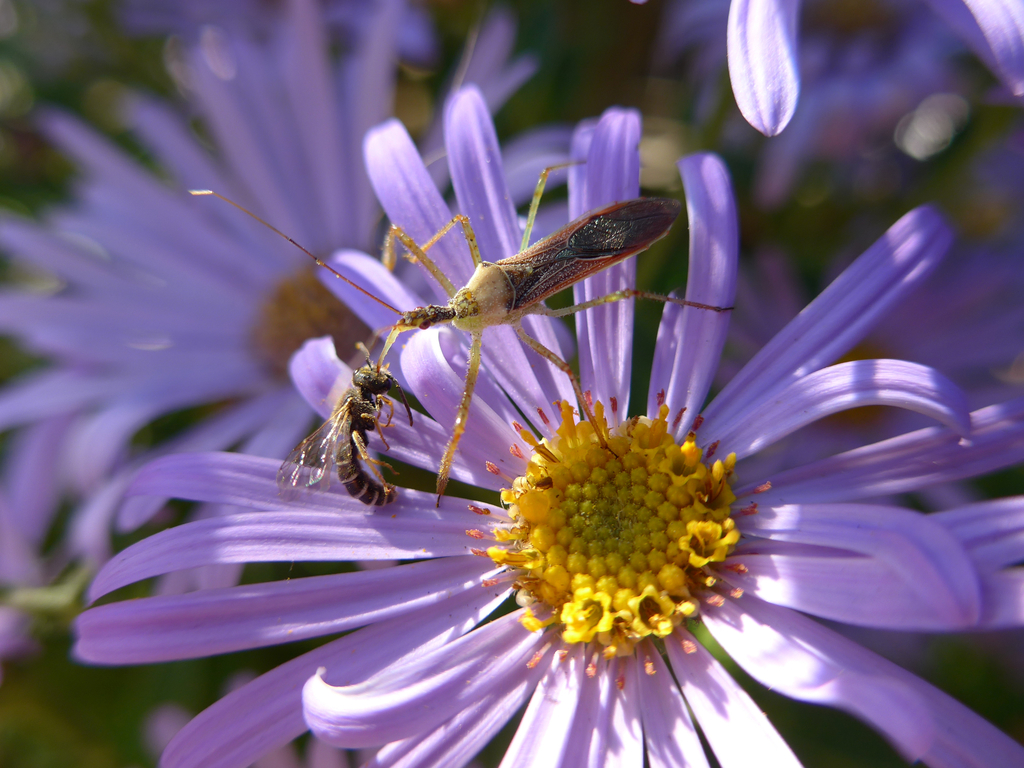
(c) Joseph Rojas, some rights reserved (CC BY) · licence
Family: Reduviidae · Class: Insecta · Order: Hemiptera
Zelus renardii (Leafhopper Assassin Bug) is a California animal in the Reduviidae family.
The leafhopper assassin bug is a predatory insect in the family Reduviidae, measuring approximately 12-17 mm (0.5-0.7 inches) in length. Adults display variable coloration ranging from greenish-yellow to reddish-brown, often with darker markings on the wings and body. The species exhibits sexual dimorphism, with females typically larger and more robust than males. The elongated rostrum (beak) is adapted for piercing prey and injecting digestive enzymes. Wings are well-developed in adults, allowing for strong flight capability. Zelus renardii occurs across a broad range from southern Canada through the United States into Mexico and Central America. In North America, the species is documented from coast to coast, with populations recorded from Arizona, California, Florida, Louisiana, New York, and Arkansas (BugGuide). Recent observations include specimens collected in Arizona near Nogales at elevations of approximately 1,192 meters (3,911 feet), indicating the species' presence in varied topographical conditions. This assassin bug inhabits diverse ecosystems including agricultural areas, gardens, grasslands, and desert regions. The species demonstrates particular association with areas containing abundant small arthropod prey, often found on vegetation where leafhoppers and other hemipterans congregate. Habitat preferences include both natural and disturbed environments, with documented occurrences in mesquite stands and other shrubland communities. The species appears to tolerate a wide range of climatic conditions across its extensive distribution. Zelus renardii is an ambush predator specializing in capturing small arthropods, particularly leafhoppers, aphids, and other soft-bodied insects. Adults and nymphs use their raptorial forelegs to grasp prey while the rostrum delivers paralytic enzymes. Mating typically occurs during warmer months, with females depositing eggs in protected locations on plant material. The species undergoes incomplete metamorphosis through five nymphal instars before reaching adulthood. Adults are capable of flight and may disperse considerable distances in search of prey or suitable habitat. The species exhibits opportunistic feeding behavior and has been observed preying on monarch butterfly larvae, demonstrating its role as a generalist predator (BugGuide). Zelus renardii currently lacks federal or state conservation listing and is not considered threatened. However, the species appears on Species of Greatest Conservation Need lists in multiple states including Arkansas, New York, and Louisiana, indicating regional concern about population status or knowledge gaps (BugGuide). These designations reflect either declining populations, insufficient data on distribution and abundance, or potential vulnerability to habitat modification. The species' broad distribution and habitat tolerance suggest overall population stability, though local populations may face pressure from agricultural intensification and habitat fragmentation. As a beneficial predator of agricultural pests, Z. renardii provides important ecosystem services, though specific population monitoring data remains limited across much of its range.
Classification
Class: Insecta · Order: Hemiptera · Family: Reduviidae
Frequently asked questions
How is Zelus renardii classified?
Zelus renardii belongs to class Insecta, order Hemiptera, family Reduviidae.
What family does Zelus renardii belong to?
Zelus renardii is in the Reduviidae family.
What is Zelus renardii?
The leafhopper assassin bug is a predatory insect in the family Reduviidae, measuring approximately 12-17 mm (0.5-0.7 inches) in length.
Is Zelus renardii found in California?
Yes. Zelus renardii is recorded in California in The California Species Project's catalogue.
Related species
Other California species in the same genus, family, or bioregion.
Data from The California Species Project — 14,000+ California species with verified data from CNPS, CDFW, USFWS, and more.