Zelus tetracanthus
Four-spurred Assassin Bug
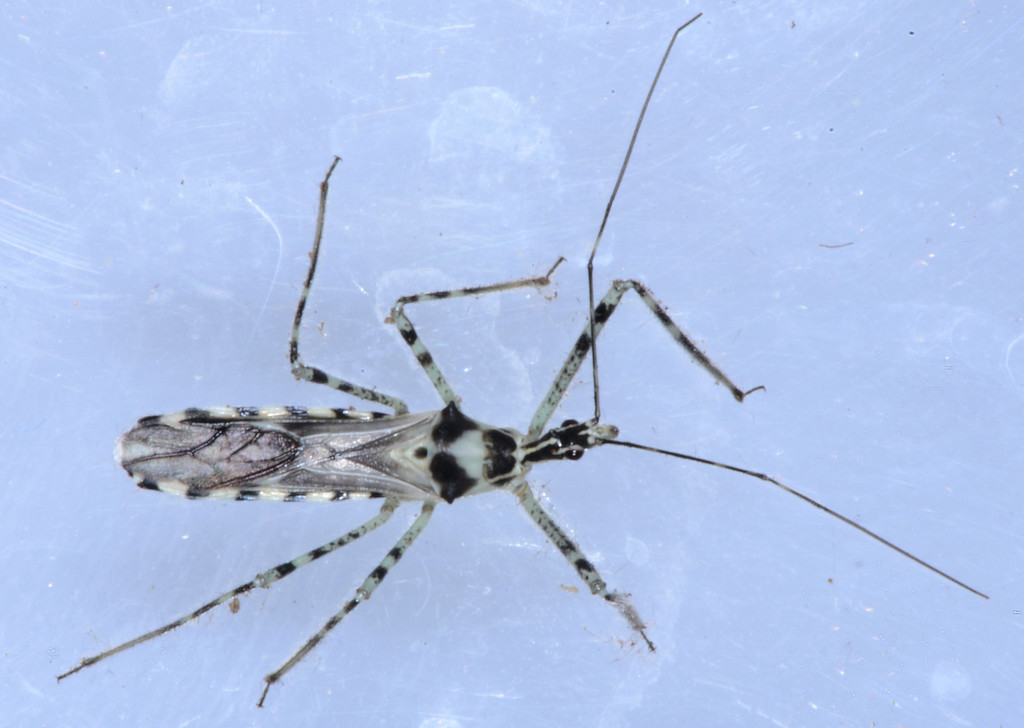
(c) Don Loarie, some rights reserved (CC BY) · licence
Family: Reduviidae · Class: Insecta · Order: Hemiptera
Zelus tetracanthus (Four-spurred Assassin Bug) is a California animal in the Reduviidae family.
The Four-spurred Assassin Bug (Zelus tetracanthus) is a predatory insect in the family Reduviidae, characterized by its elongated body and prominent rostrum used for piercing prey. Like other members of the genus Zelus, this species exhibits the typical assassin bug morphology with a narrow head, large eyes, and strong forelegs adapted for grasping prey. The common name derives from distinctive spurs or spines present on the legs, though detailed morphological descriptions of this species remain limited in the scientific literature. Zelus tetracanthus is documented across multiple regions of North America, with records from the United States extending into various habitat types. According to NatureServe, the species has a global conservation rank of G4 (Apparently Secure), indicating it is uncommon but not rare with some cause for long-term concern due to declines or other factors (NatureServe Explorer). The species appears in the U.S. Fish and Wildlife Service taxonomic database, classified within the tribe Harpactorini of the subfamily Harpactorinae. Habitat preferences for Z. tetracanthus include areas that support diverse arthropod communities, as these predatory bugs require abundant prey populations. The species has been documented in association with various vegetation types where it can ambush potential prey items. Like other Zelus species, this assassin bug likely inhabits areas with sufficient plant structure to provide hunting perches and overwintering sites. Specific elevation ranges and microhabitat requirements have not been well documented in the available literature. As an ambush predator, the Four-spurred Assassin Bug employs a sit-and-wait hunting strategy typical of the family Reduviidae. The species uses its piercing-sucking mouthparts to inject digestive enzymes into prey, then consumes the liquefied contents. Prey items likely include various soft-bodied arthropods such as aphids, caterpillars, and other small insects. Reproductive biology follows the general pattern of assassin bugs, with females depositing eggs that develop through five nymphal instars before reaching adulthood. Seasonal activity patterns and specific breeding requirements remain poorly documented. The species currently holds no special conservation status at federal or state levels, consistent with its NatureServe ranking of apparently secure. Unlike some specialized predatory insects, Z. tetracanthus appears to maintain stable populations across its range without immediate conservation concerns. The species benefits from its generalist predatory lifestyle, which provides resilience against habitat modifications that might affect more specialized species. However, as with many arthropods, comprehensive population monitoring is limited, and long-term trends remain largely undocumented. Detailed ecological studies of this species are lacking. The above information synthesizes available data from taxonomic databases and conservation assessments. We welcome contributions of verified scientific data, photographs, or field observations to enhance this species account.
Classification
Class: Insecta · Order: Hemiptera · Family: Reduviidae
Frequently asked questions
How is Zelus tetracanthus classified?
Zelus tetracanthus belongs to class Insecta, order Hemiptera, family Reduviidae.
What family does Zelus tetracanthus belong to?
Zelus tetracanthus is in the Reduviidae family.
What is Zelus tetracanthus?
The Four-spurred Assassin Bug (Zelus tetracanthus) is a predatory insect in the family Reduviidae, characterized by its elongated body and prominent rostrum used for piercing prey.
Is Zelus tetracanthus found in California?
Yes. Zelus tetracanthus is recorded in California in The California Species Project's catalogue.
Related species
Other California species in the same genus, family, or bioregion.
Data from The California Species Project — 14,000+ California species with verified data from CNPS, CDFW, USFWS, and more.