Zenaida asiatica
White-winged Dove
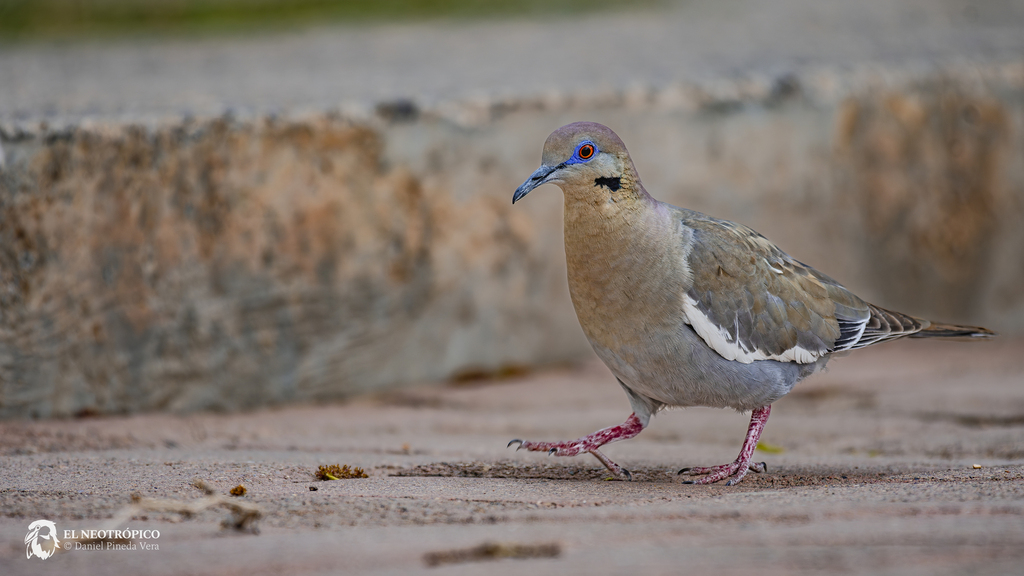
(c) Daniel Pineda Vera, some rights reserved (CC BY) · licence
Family: Columbidae · Class: Aves · Order: Columbiformes
Zenaida asiatica (White-winged Dove) is a California animal in the Columbidae family.
The White-winged Dove is a medium-sized dove measuring 28-31 cm (11-12 inches) in length with a wingspan of 46-51 cm (18-20 inches). Adults weigh 130-170 grams. The species displays grayish-brown plumage overall, with a distinctive white wing patch that is particularly prominent during flight. A thin black line extends from the bill below the eye, and the tail shows white corners visible when spread. Males and females appear similar, though males are slightly larger. Juveniles lack the prominent facial markings and show less distinct wing patches. Historically, White-winged Doves in California were primarily restricted to the Colorado River valley and southeastern desert regions. The species has undergone significant range expansion since the 1980s, establishing breeding populations throughout the Central Valley, coastal areas from San Diego to the San Francisco Bay Area, and urban areas including Los Angeles and Phoenix metropolitan regions. According to the North American Breeding Bird Survey, California populations have increased by over 1000% since 1980. The species now breeds in at least 35 of California's 58 counties. White-winged Doves inhabit desert scrub, riparian woodlands, agricultural areas, and increasingly urban and suburban environments. In their traditional range, they associate with Sonoran Desert vegetation including palo verde, mesquite, and ironwood trees. The species shows strong adaptation to human-modified landscapes, utilizing ornamental trees, particularly palm species, eucalyptus, and citrus groves. They occur from sea level to approximately 1,200 meters elevation, though most breeding occurs below 500 meters. The species feeds primarily on seeds from desert trees and cacti, particularly saguaro cactus fruit and seeds in Arizona populations. California birds consume seeds from palo verde, mesquite, and various weedy plants, supplemented by agricultural grains and fruits from ornamental plantings. Breeding typically occurs from March through September, with peak activity from April to July. Nests are constructed as flimsy platforms of twigs placed in trees or large shrubs, usually 1.5-4.5 meters above ground. Females lay two white eggs, with incubation lasting 13-14 days. Both parents feed nestlings crop milk followed by regurgitated seeds. Multiple broods per season are common, with some pairs producing up to five broods annually in favorable conditions. White-winged Doves are not federally or state listed and show stable to increasing population trends across most of their range as of December 2025. The species benefits from urban development that provides nest sites and water sources, though traditional desert habitat continues to face pressure from development and climate change. In California, the species is considered a game bird with regulated hunting seasons. Conservation concerns are minimal given current population trends, though monitoring continues to track the species' ongoing range expansion and adaptation to urban environments.
Classification
Class: Aves · Order: Columbiformes · Family: Columbidae
Frequently asked questions
How is Zenaida asiatica classified?
Zenaida asiatica belongs to class Aves, order Columbiformes, family Columbidae.
What family does Zenaida asiatica belong to?
Zenaida asiatica is in the Columbidae family.
What is Zenaida asiatica?
The White-winged Dove is a medium-sized dove measuring 28-31 cm (11-12 inches) in length with a wingspan of 46-51 cm (18-20 inches).
Is Zenaida asiatica found in California?
Yes. Zenaida asiatica is recorded in California in The California Species Project's catalogue.
Related species
Other California species in the same genus, family, or bioregion.
Data from The California Species Project — 14,000+ California species with verified data from CNPS, CDFW, USFWS, and more.