Zenophleps alpinata
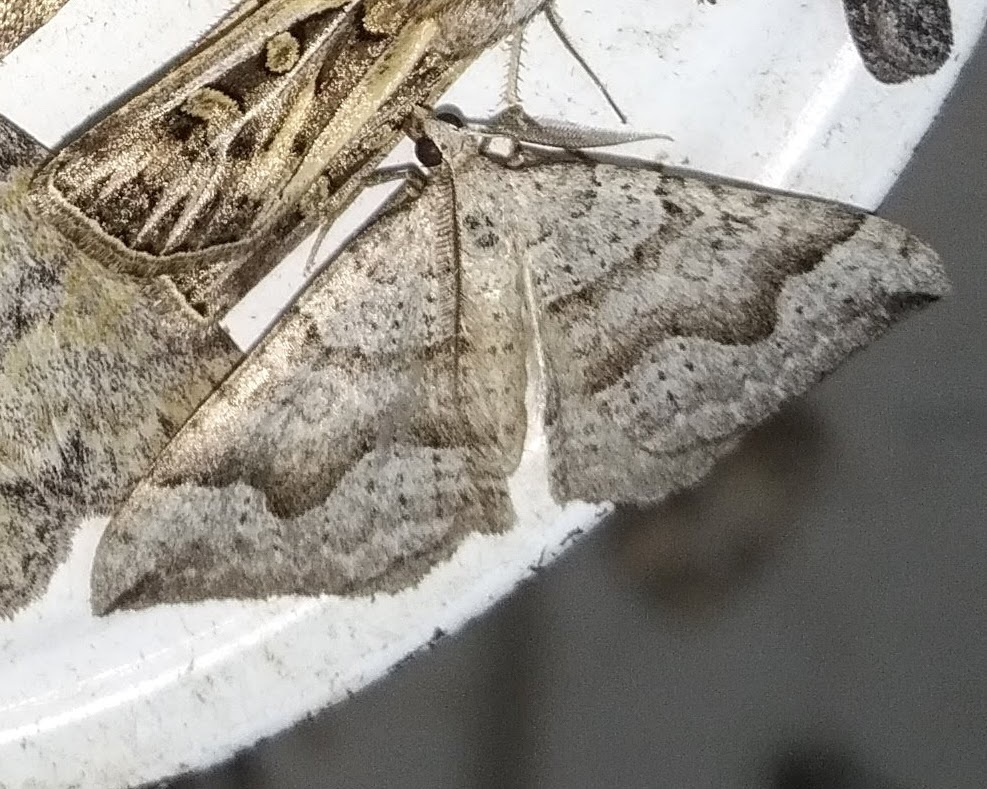
(c) Doug Macaulay, some rights reserved (CC BY) · licence
Family: Geometridae · Class: Insecta · Order: Lepidoptera
Zenophleps alpinata is a California animal in the Geometridae family.
Zenophleps alpinata is a geometrid moth species in the family Geometridae, subfamily Ennominae. This species belongs to a genus of moths characterized by their relatively small size and cryptic coloration patterns typical of many inchworm moths. Adults likely measure 15-25 mm in wingspan, though specific morphometric data for this species remains limited in the literature. The range and distribution of Zenophleps alpinata appears to be poorly documented in current taxonomic databases and moth surveys. The species name suggests an association with alpine or montane habitats, as indicated by the specific epithet 'alpinata.' However, confirmed distributional records and detailed locality data are not readily available in standard lepidopteran databases or recent California moth inventories. Based on the specific epithet and typical habitat preferences of related Geometridae species, Z. alpinata likely inhabits montane or subalpine environments. Many geometrid moths in similar ecological niches are found in coniferous forests, mixed woodland, or alpine meadow edges at elevations ranging from 1,500 to 3,000 meters. The species may favor areas with specific microhabitat conditions such as north-facing slopes, forest clearings, or ecotones between different vegetation types. As with most Geometridae moths, Z. alpinata likely follows a typical lepidopteran life cycle with complete metamorphosis. Adults probably emerge during specific seasonal windows, potentially coinciding with host plant phenology or favorable climatic conditions. Larvae, commonly known as inchworms or loopers, would feed on specific host plants, though the larval food sources for this species have not been definitively documented. Many geometrid larvae are oligophagous, feeding on a limited range of related plant species within specific families. Geometrid moths typically exhibit crepuscular or nocturnal activity patterns, with adults attracted to artificial light sources. Mating behavior likely involves pheromone communication, with females releasing species-specific chemical signals to attract males. Reproduction probably occurs through standard lepidopteran oviposition, with females depositing eggs on or near suitable host plants. The conservation status of Zenophleus alpinata remains unclear due to limited taxonomic and ecological documentation. The species does not appear on current federal or California state threatened species lists, nor is it tracked by major conservation databases such as NatureServe. This absence from conservation databases may reflect either genuinely secure population status, taxonomic uncertainty, or simply insufficient survey effort and research attention. The lack of comprehensive distributional and ecological data for Z. alpinata highlights broader challenges in lepidopteran conservation and taxonomy. Many moth species, particularly those in specialized habitats or with limited geographic ranges, remain understudied compared to more conspicuous butterfly species. Climate change impacts on montane habitats could potentially affect populations if the species is indeed restricted to alpine environments, though specific vulnerability assessments cannot be made without better baseline data on distribution, population size, and habitat requirements.
Classification
Class: Insecta · Order: Lepidoptera · Family: Geometridae
Frequently asked questions
How is Zenophleps alpinata classified?
Zenophleps alpinata belongs to class Insecta, order Lepidoptera, family Geometridae.
What family does Zenophleps alpinata belong to?
Zenophleps alpinata is in the Geometridae family.
What is Zenophleps alpinata?
Zenophleps alpinata is a geometrid moth species in the family Geometridae, subfamily Ennominae.
Is Zenophleps alpinata found in California?
Yes. Zenophleps alpinata is recorded in California in The California Species Project's catalogue.
Related species
Other California species in the same genus, family, or bioregion.
Data from The California Species Project — 14,000+ California species with verified data from CNPS, CDFW, USFWS, and more.