Zerene cesonia
Southern Dogface
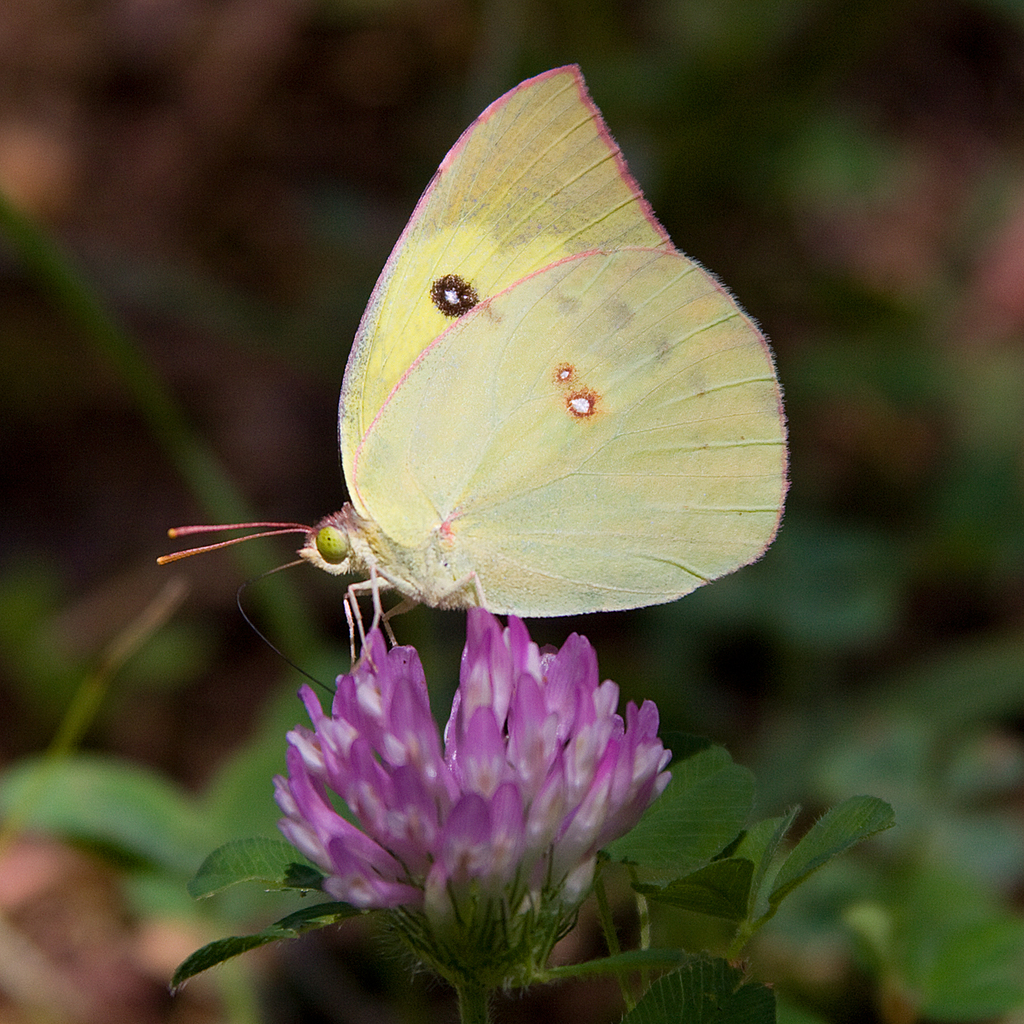
(c) Dan Vickers, some rights reserved (CC BY) · licence
Family: Pieridae · Class: Insecta · Order: Lepidoptera
Zerene cesonia (Southern Dogface) is a California animal in the Pieridae family.
The Southern Dogface is a medium-sized butterfly in the family Pieridae, with distinctive sexual dimorphism in wing coloration and patterns. Males display bright yellow forewings with prominent black borders forming a distinctive 'dog face' profile when viewed at rest, created by black markings that outline what resembles a poodle's head in silhouette. The hindwings are yellow with black borders. Females are typically pale yellow to white with reduced black markings and lack the distinctive dog face pattern. Both sexes have a wingspan ranging from 44 to 65 millimeters (1.7 to 2.6 inches). Zerene cesonia maintains a resident population from South America north through southern Texas and peninsular Florida. The species occurs as a stray or temporary resident across a much broader range, extending from central California northeast through the Great Lakes region and throughout all eastern states. In California, sightings are sporadic and primarily occur in the southern regions, with occasional records from the Central Valley. The species' migratory tendencies result in irregular appearances outside its core breeding range. Southern Dogface butterflies inhabit open areas including fields, meadows, roadsides, gardens, and agricultural lands where their host plants occur. They show a preference for sunny locations with abundant flowering plants for nectar sources. The species thrives in disturbed habitats and areas with mixed vegetation, particularly where leguminous plants are common. Elevation ranges vary across their distribution, from sea level to moderate elevations in mountainous regions. Adults are active flyers and strong migrants, capable of traveling considerable distances during dispersal movements. Males exhibit territorial behavior, often perching on elevated spots to survey their territory and pursue potential mates. The species has multiple broods per year in suitable climates, with continuous breeding in warmer regions. Females lay single eggs on small-leaved plants in the pea family (Fabaceae), including alfalfa (Medicago sativa), prairie clovers and indigo species (Dalea), and various clover species (Trifolium). Larvae feed on leaves and developing seed pods of these host plants. Adults nectar on a variety of flowering plants including lantana, pentas, and other garden flowers. The Southern Dogface is not federally or state listed and appears to maintain stable populations across its core range. As an agricultural associate that utilizes alfalfa and other cultivated legumes, the species may benefit from certain farming practices. However, intensive agriculture and pesticide use can negatively impact local populations. Climate change may be expanding the species' northern range limits, as evidenced by increasing records in previously marginal areas. The species' strong dispersal ability and use of common host plants contribute to its overall population stability.
Classification
Class: Insecta · Order: Lepidoptera · Family: Pieridae
Frequently asked questions
How is Zerene cesonia classified?
Zerene cesonia belongs to class Insecta, order Lepidoptera, family Pieridae.
What family does Zerene cesonia belong to?
Zerene cesonia is in the Pieridae family.
What is Zerene cesonia?
The Southern Dogface is a medium-sized butterfly in the family Pieridae, with distinctive sexual dimorphism in wing coloration and patterns.
Is Zerene cesonia found in California?
Yes. Zerene cesonia is recorded in California in The California Species Project's catalogue.
Related species
Other California species in the same genus, family, or bioregion.
Data from The California Species Project — 14,000+ California species with verified data from CNPS, CDFW, USFWS, and more.