Zoraena dorsalis
Pacific Spiketail
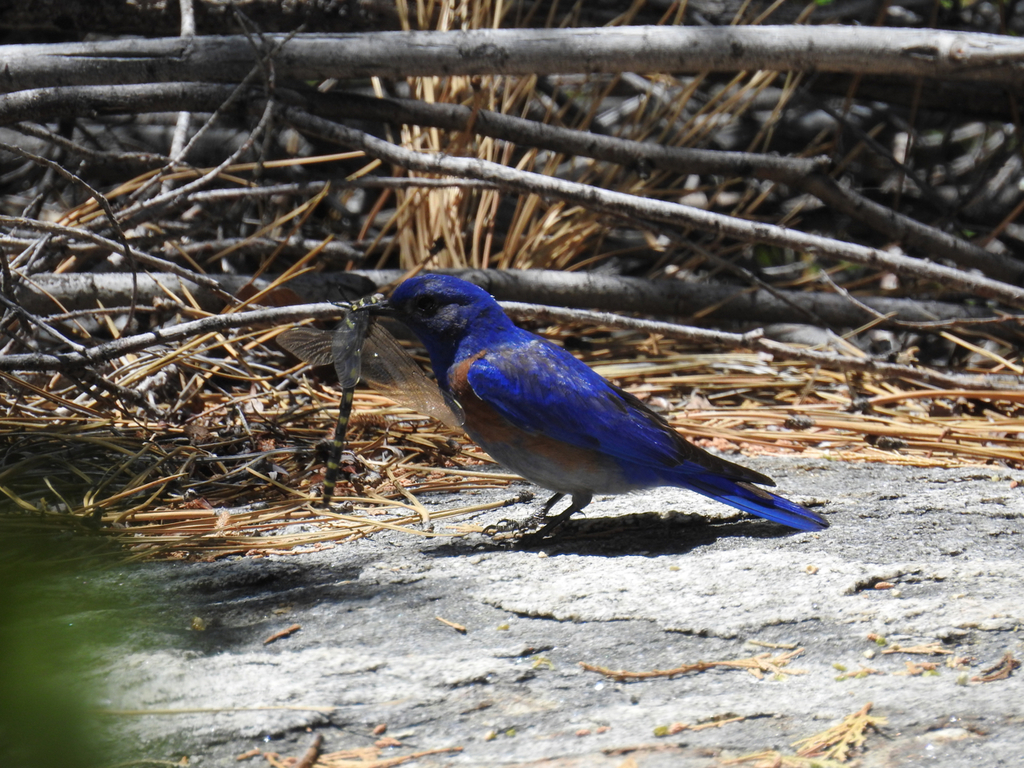
(c) James M. Maley, some rights reserved (CC BY) · licence
Family: Cordulegastridae · Class: Insecta · Order: Odonata
Zoraena dorsalis (Pacific Spiketail) is a California animal in the Cordulegastridae family.
The Pacific Spiketail (Zoraena dorsalis) is a large dragonfly in the family Cordulegastridae, distinguished by its robust build and distinctive coloration. Adults are among the larger North American dragonflies, with elongated abdomens and broad, clear wings. The species exhibits the characteristic spiketail morphology with a prominent ovipositor in females, used for inserting eggs into substrates. Males typically display dark thoracic patterns with yellow markings, while both sexes have clear wings with minimal venation coloration. The Pacific Spiketail occurs along the Pacific Coast from British Columbia south through California, with additional populations extending into the inland western United States. According to the Montana Field Guide, the species is documented in Montana and other northwestern states. The distribution appears to be primarily associated with mountainous and forested regions of the western United States, though specific range boundaries require further documentation. Two subspecies are recognized: Z. d. dorsalis and Z. d. deserticola, suggesting some geographic variation within the species range. This species inhabits areas near clean, flowing water sources including streams, springs, and seeps in forested environments. Pacific Spiketails are typically associated with cooler water temperatures and well-oxygenated aquatic systems. Adults are often observed near their breeding habitats but may range considerable distances from water sources during foraging activities. The species appears to prefer partially shaded aquatic environments with suitable substrates for larval development. Pacific Spiketail larvae are aquatic predators that develop in stream sediments and debris, feeding on small invertebrates and other aquatic organisms. The larval stage can extend several years, depending on environmental conditions and temperature. Adults emerge during summer months and engage in territorial behavior around suitable breeding sites. Mating occurs near water, with females using their elongated ovipositors to deposit eggs in soft substrates along stream banks or in saturated soil near water sources. Adults are powerful fliers and active predators, capturing flying insects during aerial foraging. According to NatureServe data referenced in conservation databases, the Pacific Spiketail appears to have a relatively stable conservation status, with no current federal or state listing protections. The species is classified as globally secure (G5 rank) in some assessments, indicating stable populations across its range. However, like many aquatic-dependent species, Pacific Spiketails may face localized threats from habitat degradation, water quality impacts, and climate change effects on aquatic systems. Stream modification, pollution, and altered flow regimes could potentially affect breeding habitat quality. The species' dependence on clean, flowing water makes it potentially sensitive to watershed-level disturbances, though specific population trend data and comprehensive threat assessments remain limited for this species.
Classification
Class: Insecta · Order: Odonata · Family: Cordulegastridae
Frequently asked questions
How is Zoraena dorsalis classified?
Zoraena dorsalis belongs to class Insecta, order Odonata, family Cordulegastridae.
What family does Zoraena dorsalis belong to?
Zoraena dorsalis is in the Cordulegastridae family.
What is Zoraena dorsalis?
The Pacific Spiketail (Zoraena dorsalis) is a large dragonfly in the family Cordulegastridae, distinguished by its robust build and distinctive coloration.
Is Zoraena dorsalis found in California?
Yes. Zoraena dorsalis is recorded in California in The California Species Project's catalogue.
More California species
This species has no close relatives in our California data — here are other species to explore.
Data from The California Species Project — 14,000+ California species with verified data from CNPS, CDFW, USFWS, and more.