Zotheca tranquilla
Elder Moth
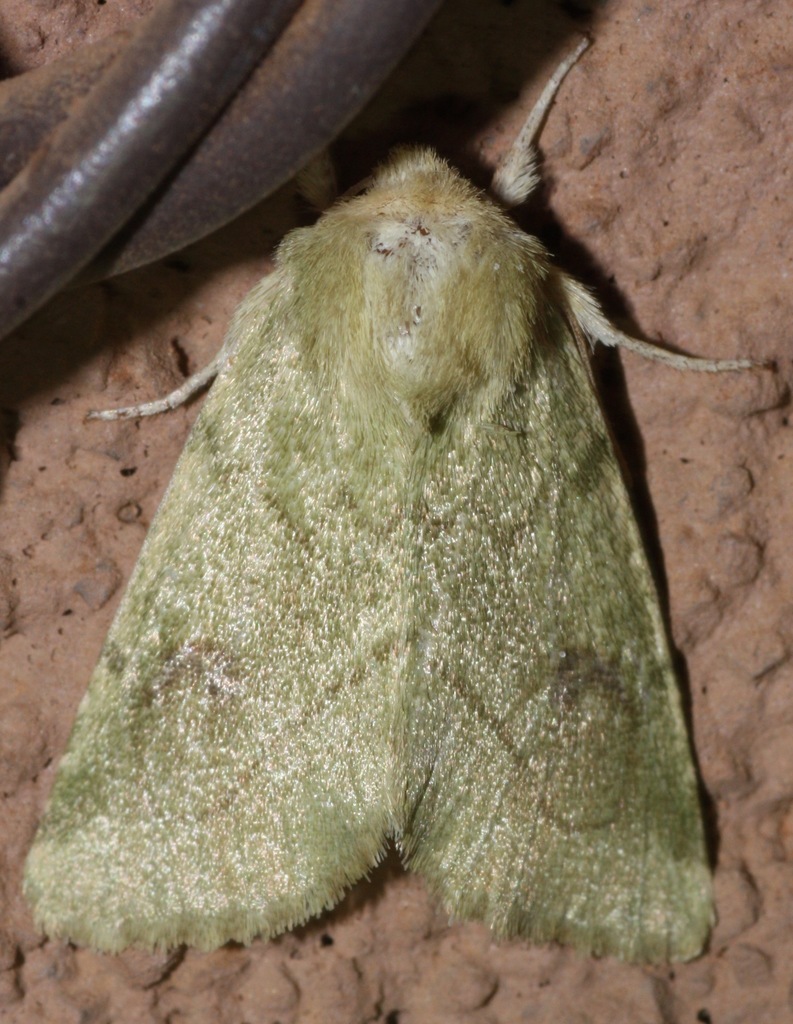
(c) Andrew Meeds, some rights reserved (CC BY) · licence
Family: Noctuidae · Class: Insecta · Order: Lepidoptera
Zotheca tranquilla (Elder Moth) is a California animal in the Noctuidae family.
The Elder Moth is a nocturid moth in the subfamily Noctuinae, tribe Xylenini, subtribe Cosmiina. As a member of the diverse Noctuidae family, this species exhibits the typical moth characteristics of nocturnal activity and complete metamorphosis. The species was originally described by Grote in 1874 and belongs to the genus Zotheca, which contains approximately 11 known species according to USFWS taxonomic records. The Elder Moth occurs in western North America, with verified records from California including Los Angeles County (Butterflies and Moths of North America). The species' distribution appears to be primarily within the southwestern United States, though comprehensive range mapping remains incomplete. Historical collection records suggest the species may have a broader distribution than currently documented, but modern survey data is limited. Habitat preferences for Zotheca tranquilla have not been thoroughly documented in the scientific literature. As suggested by its common name, the species may be associated with elderberry plants (Sambucus species), though specific host plant relationships require verification through additional field studies. Like many noctuids, the Elder Moth likely inhabits areas where its larval host plants occur, potentially including riparian zones, woodland edges, and disturbed habitats where elderberry shrubs are common. The behavioral ecology and life history of the Elder Moth remain poorly understood. Adult moths are presumably nocturnal, following the typical pattern of most Noctuidae species. Flight periods, mating behaviors, and larval development cycles have not been well documented in the available literature. The species likely follows the standard holometabolous development pattern characteristic of Lepidoptera, with egg, larval, pupal, and adult stages. Specific information about clutch sizes, number of generations per year, and seasonal activity patterns is lacking. The conservation status of Zotheca tranquilla has not been formally assessed at federal or state levels. The species does not appear on current federal endangered species lists, nor does it have a designated conservation status with the International Union for Conservation of Nature. The Elder Moth's presence in USFWS taxonomic databases suggests it is recognized as a valid species within U.S. fauna, but no specific conservation concerns have been identified. Limited scientific documentation makes it difficult to assess population trends or potential threats to the species. Scientific documentation for this species remains limited. The information presented here synthesizes available taxonomic data from USFWS records and occurrence data from citizen science platforms. Detailed ecological studies, comprehensive distribution surveys, and life history research are needed to better understand this species' biology and conservation needs. Additional field work and taxonomic research would help clarify the Elder Moth's ecological role and habitat requirements within its native range.
Classification
Class: Insecta · Order: Lepidoptera · Family: Noctuidae
Frequently asked questions
How is Zotheca tranquilla classified?
Zotheca tranquilla belongs to class Insecta, order Lepidoptera, family Noctuidae.
What family does Zotheca tranquilla belong to?
Zotheca tranquilla is in the Noctuidae family.
What is Zotheca tranquilla?
The Elder Moth is a nocturid moth in the subfamily Noctuinae, tribe Xylenini, subtribe Cosmiina.
Is Zotheca tranquilla found in California?
Yes. Zotheca tranquilla is recorded in California in The California Species Project's catalogue.
Related species
Other California species in the same genus, family, or bioregion.
Data from The California Species Project — 14,000+ California species with verified data from CNPS, CDFW, USFWS, and more.