Acaena novae-zelandiae
Biddy-biddy
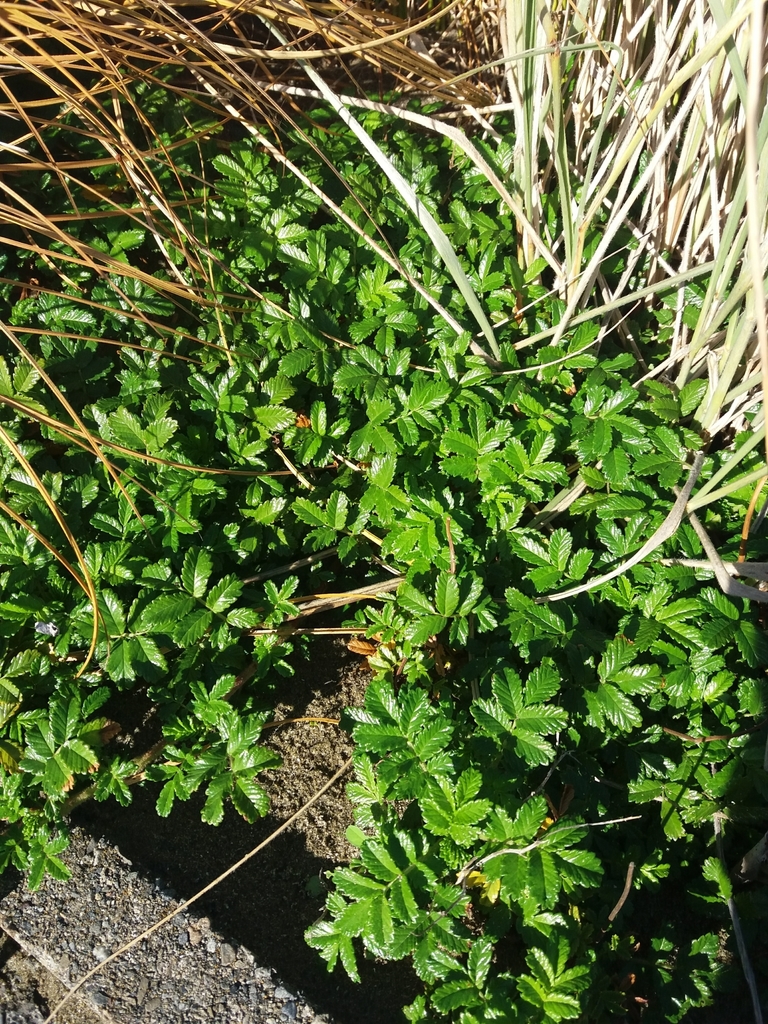
(c) eyrezer, some rights reserved (CC BY) · licence
Family: Rosaceae · Type: Herb · Not Native
Conservation status: Cal-IPC Yes
Acaena novae-zelandiae (Biddy-biddy) is a non-native California herb in the Rosaceae family, recognized by leaflet dissection, prickle length, and leaf surface texture.
Biddy-biddy is a naturalized perennial found in coastal regions including northern Coast Ranges, Central Coast, and northern Southern California in generally disturbed areas at elevations below 200 meters. Flowering from March to May, this plant produces pale flowers in heads approximately 10 millimeters wide that expand to 35 millimeters when fruiting. Growing with slender stems 10 to 20 centimeters tall and approximately 1 to 2 millimeters in diameter, it spreads with low-growing habit. Its compound leaves have 3 to 5 leaflets per side, each 5 to 15 millimeters long, with elliptic-oblanceolate shape and evenly toothed edges, appearing dull green above and slightly bluish-gray underneath. The fruit develops distinctive prickles up to 12 millimeters long, giving the plant a unique textural appearance.
Identification and appearance
Key characters: 2 sympatric species; key features are leaflet dissection, prickle length, and leaf surface texture
Habitat and range
Habitat: Generally +- disturbed areas
Elevation: < 200 m
California counties: Humboldt, Sonoma, Marin, San Francisco, Mendocino, Solano, Monterey
Outside California: Oregon, native to Australia, New Zealand, New Guinea
Bloom period
Acaena novae-zelandiae blooms Mar-May.
Conservation status
Cal-IPC Yes
How to tell it apart
vs Sanguisorba: Acaena fruits are covered in hooked spines that stick to you; Sanguisorba fruits are smooth.; vs Achillea: Acaena has compound leaves with distinct leaflets; Achillea leaves are finely dissected into tiny segments.; vs Horkelia: Acaena has spiny burr fruits; Horkelia has smooth dry seeds without spines.; vs Aphanes: Acaena has large pinnate leaves with distinct leaflets; Aphanes has tiny palm-lobed leaves.; vs Poteridium: Acaena fruits have hooked spines; Poteridium fruits are smooth and four-angled.
Frequently asked questions
Is Acaena novae-zelandiae native to California?
No. Acaena novae-zelandiae is not native to California (recorded as not native).
When does Acaena novae-zelandiae bloom?
Acaena novae-zelandiae blooms Mar-May.
Where in California does Acaena novae-zelandiae grow?
Acaena novae-zelandiae occurs in Humboldt, Sonoma, Marin, San Francisco, Mendocino, Solano, Monterey, at elevations of < 200 m.
What plant family does Acaena novae-zelandiae belong to?
Acaena novae-zelandiae is in the Rosaceae family, genus Acaena.
Is Acaena novae-zelandiae invasive in California?
Acaena novae-zelandiae is listed by Cal-IPC with an invasiveness rating of Yes.
Related species
Other California species in the same genus, family, or bioregion.
Sources: Jepson eFlora · Index of California Plant Names · CalPhotos
Last updated 2026-10-07
Data from The California Species Project — 14,000+ California species with verified data from CNPS, CDFW, USFWS, Cal-IPC, and more.