Agoseris grandiflora var. grandiflora
Giant mountain dandelion
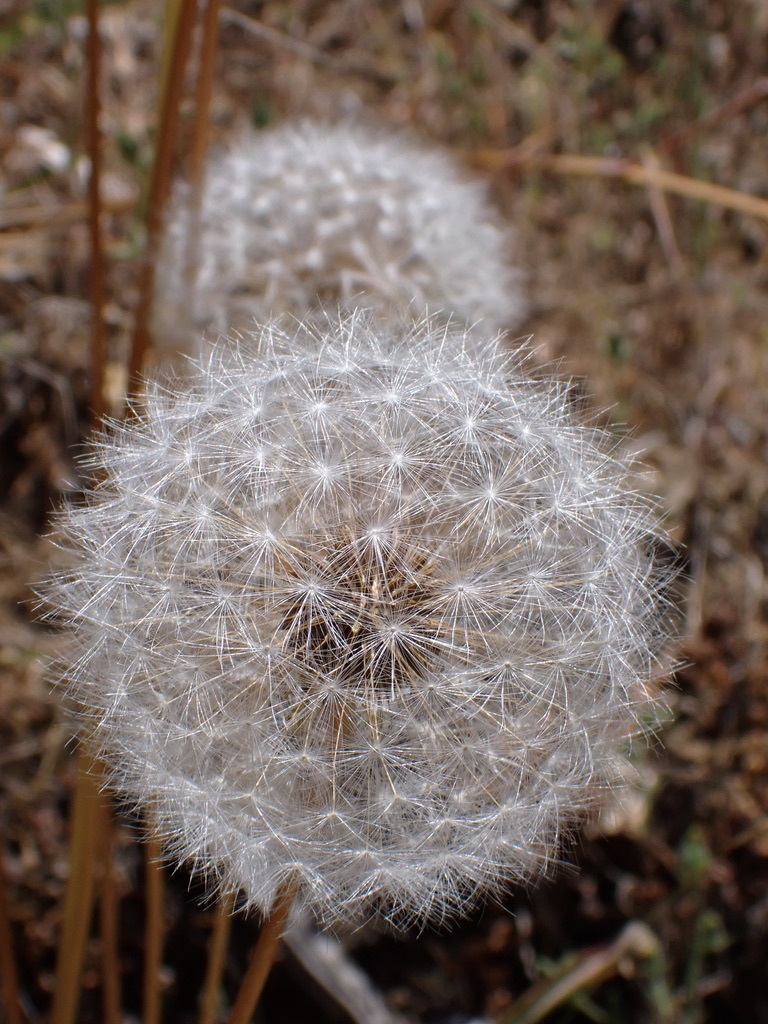
(c) Hydrocycler (Elizabeth Dougherty), some rights reserved (CC BY), uploaded by Hydrocycler (Elizabeth Dougherty) · licence
Family: Asteraceae · Type: Perennial · Native
Agoseris grandiflora var. grandiflora (Giant mountain dandelion) is a native California perennial in the Asteraceae family, recognized by large robust size and very long flexible beaks key.
Giant mountain dandelion is a native perennial found in California Floristic Province (except Great Valley and Channel Islands) and Modoc Plateau in grassland, scrub, and woodland at elevations of 300 to 2,000 meters. Flowering from April to July, this plant produces rosy-purple flowers in large heads approximately 3 to 5 centimeters wide with distinctive lanceolate phyllaries. Growing with robust stems and broadly oblanceolate leaves, it forms substantial clumps reaching up to several dozen centimeters tall. Its leaves are generally 10 to 35 millimeters wide, ranging from nearly entire to distinctly lobed with lanceolate side lobes. The flower heads contain approximately 150 to 500 individual florets, creating a substantial and impressive display.
Identification and appearance
Key characters: Co-occurs with 17 species; large robust size and very long flexible beaks key
Habitat and range
Habitat: Grassland, scrub, woodland
Elevation: generally 300-2000 m
California counties: San Luis Obispo, Kern, Santa Cruz, Monterey, San Diego, San Bernardino, Ventura, Los Angeles, Santa Barbara, El Dorado, Orange, Riverside, San Francisco, Lake, Sierra, Santa Clara, Plumas, San Mateo, Yuba, Humboldt, Butte, Nevada, Mendocino, Tuolumne, Madera, Glenn, Alameda, Siskiyou, Napa, Marin, Fresno, Solano, Calaveras, Modoc, Mariposa, Tehama, San Benito, Sonoma, Contra Costa, Tulare, Shasta, Placer, Sacramento, Mono, Amador, Lassen, Colusa, Del Norte, Alpine
Outside California: to Washington, Idaho, Nevada, rare in Montana and Utah
Bloom period
Agoseris grandiflora var. grandiflora blooms Apr-Jul.
How to tell it apart
vs Taraxacum: Agoseris bracts graduate gradually in size; Taraxacum has dramatically smaller outer bracts and longer one-sided pappus.; vs Hypochaeris: Agoseris has completely bractless stems; Hypochaeris often has small leafy bracts partway up the stem.; vs Microseris: Agoseris pappus bristles evenly distributed; Microseris has 5-80 white scales (not plume-like bristles).; vs Uropappus: Agoseris has plume-like bristles; Uropappus has 5 large silvery scales alternating with 5 smaller ones.; vs Leontodon: Agoseris has unbranched scapes; Leontodon often has branched stems with multiple heads.
Frequently asked questions
Is Agoseris grandiflora var. grandiflora native to California?
Yes. Agoseris grandiflora var. grandiflora is native to California (recorded as native).
When does Agoseris grandiflora var. grandiflora bloom?
Agoseris grandiflora var. grandiflora blooms Apr-Jul.
Where in California does Agoseris grandiflora var. grandiflora grow?
Agoseris grandiflora var. grandiflora occurs in San Luis Obispo, Kern, Santa Cruz, Monterey, San Diego, San Bernardino, Ventura, Los Angeles and other counties, at elevations of generally 300-2000 m.
What plant family does Agoseris grandiflora var. grandiflora belong to?
Agoseris grandiflora var. grandiflora is in the Asteraceae family, genus Agoseris.
What habitat does Agoseris grandiflora var. grandiflora grow in?
Agoseris grandiflora var. grandiflora grows in Grassland, scrub, woodland.
Related species
Other California species in the same genus, family, or bioregion.
Sources: Jepson eFlora · Index of California Plant Names · CalPhotos
Last updated 2026-09-30
Data from The California Species Project — 14,000+ California species with verified data from CNPS, CDFW, USFWS, Cal-IPC, and more.