Astragalus allochrous var. playanus
Playa milkvetch, Playa Milkvetch, playa milk-vetch, playa milk-vetch
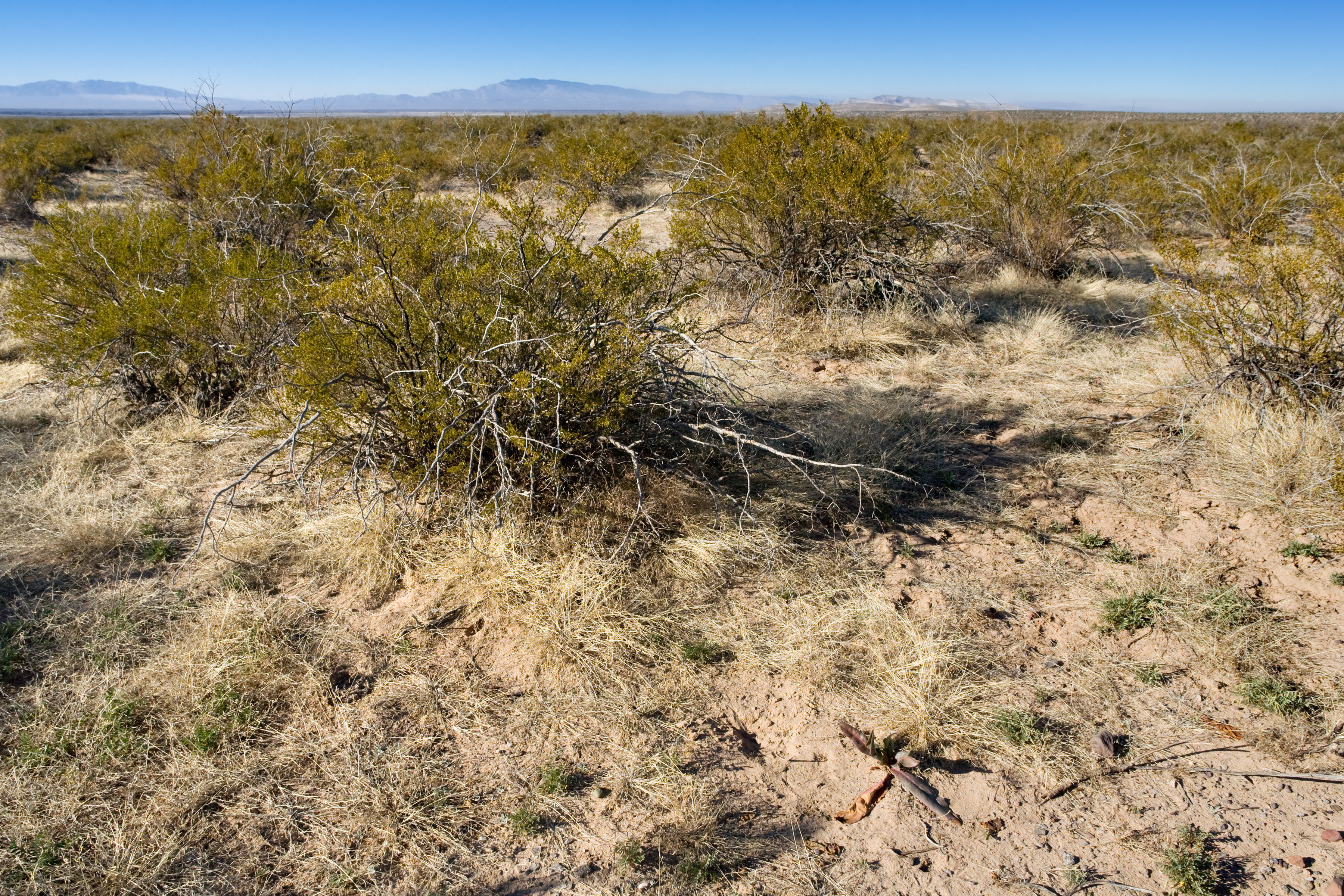
Patrick Alexander from Las Cruces, NM (via Wikimedia Commons) · CC0
Family: Fabaceae · Type: Perennial · Native
Conservation status: CNPS 2B.2
Astragalus allochrous var. playanus (Playa milkvetch) is a native California perennial in the Fabaceae family, recognized by distinctively inflated bladdery pods with single chamber.
Playa milkvetch is a rare (CNPS 2B.2) California native perennial found in the eastern Mojave Desert on sandy flats at elevations of 600 to 1,950 meters. Flowering from March to July, this plant produces white flowers with banners 5 to 7 millimeters long that recurve at approximately 45 degrees. Growing with prostrate to erect stems 10 to 50 centimeters tall that are sparsely covered in fine hairs, it forms a leafy herb with delicate branching. Its compound leaves are 2 to 12 centimeters long, featuring 11 to 19 oblanceolate or oblong leaflets 5 to 20 millimeters long with shallowly notched or obtuse tips. The fruit develops as a spreading, bladdery papery pod 15 to 30 millimeters long with a short, obscure beak.
Identification and appearance
Key characters: 40 sympatric species; distinctively inflated bladdery pods with single chamber
Habitat and range
Habitat: Sandy flats
Elevation: 600-1950 m
California counties: San Bernardino, Riverside
Outside California: to Texas, Mexico
Bloom period
Astragalus allochrous var. playanus blooms Mar-Jul.
Conservation status
CNPS 2B.2
How to tell it apart
vs Vicia: Astragalus has racemes of flowers; vetches (Vicia) have tendrils at leaf tips and climbing or sprawling habit.; vs Oxytropis: Astragalus keel tip is rounded to slightly pointed; Oxytropis keel has a pronounced pointed beak.; vs Cleomella: Astragalus has pea-shaped flowers; Cleomella has 4-petaled cruciform flowers with long stamens.; vs Lupinus: Astragalus has pinnate compound leaves; lupines have palmate leaves (leaflets radiating from one point).; vs Dalea: Astragalus has typical pea flowers; Dalea has tiny flowers with petals attached to the stamen tube.
Frequently asked questions
Is Astragalus allochrous var. playanus native to California?
Yes. Astragalus allochrous var. playanus is native to California (recorded as native).
When does Astragalus allochrous var. playanus bloom?
Astragalus allochrous var. playanus blooms Mar-Jul.
Where in California does Astragalus allochrous var. playanus grow?
Astragalus allochrous var. playanus occurs in San Bernardino, Riverside, at elevations of 600-1950 m.
What plant family does Astragalus allochrous var. playanus belong to?
Astragalus allochrous var. playanus is in the Fabaceae family, genus Astragalus.
Is Astragalus allochrous var. playanus rare or endangered?
Astragalus allochrous var. playanus carries California Rare Plant Rank 2B.2, state rank S2.
Related species
Other California species in the same genus, family, or bioregion.
Sources: Jepson eFlora · CNPS Rare Plant Inventory · Index of California Plant Names · CalPhotos · CDFW CNDDB
Last updated 2026-09-30
Data from The California Species Project — 14,000+ California species with verified data from CNPS, CDFW, USFWS, Cal-IPC, and more.