Carya illinoinensis
Pecan
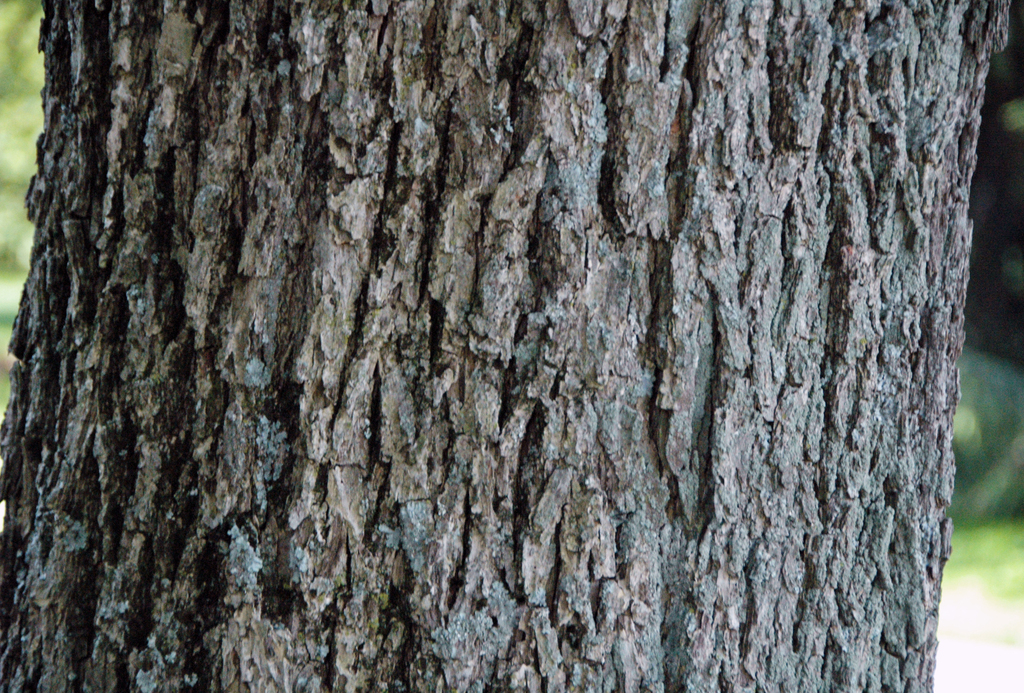
(c) James St. John, some rights reserved (CC BY) · licence
Family: Juglandaceae · Type: Tree · Not Native
Carya illinoinensis (Pecan) is a non-native California tree in the Juglandaceae family, recognized by Eastern North American genus established locally along California waterways from cultivation.
Pecan is a naturalized tree found in the San Joaquin Valley and southern California coastal areas in riparian forests and watercourse margins at elevations below 600 meters. Flowering from April to May, this tree produces small, inconspicuous flowers characteristic of nut-bearing trees. Growing to 45 meters tall with bark that ranges from shallowly to deeply furrowed, it has a distinctive branching structure. Its compound leaves feature 9 to 13 lanceolate leaflets, each 11 to 16 centimeters long and sickle-shaped with pointed tips. The fruit is an edible nut approximately 3 to 4 centimeters long with four low wings along its sutures.
Identification and appearance
Key characters: Eastern North American genus established locally along California waterways from cultivation
Habitat and range
Habitat: Riparian forest, watercourse margins
Elevation: < 600 m
California counties: San Diego, San Bernardino, Riverside, Butte, Los Angeles, Stanislaus, Yolo, Solano, Napa, Placer
Outside California: eastern Texas, Louisiana to Illinois, Indiana
Bloom period
Carya illinoinensis blooms Apr-May.
How to tell it apart
vs Juglans: Carya husks split cleanly apart; walnut husks stay stubbornly attached to the wrinkled shell.; vs Fraxinus: Carya has alternate compound leaves and nuts; ash has opposite leaves and winged seeds.; vs Pistacia: Carya twigs have solid centers; pistachio twigs smell of turpentine when crushed.; vs Schinus: Carya has compound leaves ending in a terminal leaflet; pepper tree leaves end in an odd number.; vs Quercus: Carya has compound leaves with many leaflets; oaks have simple lobed or toothed leaves.
Frequently asked questions
Is Carya illinoinensis native to California?
No. Carya illinoinensis is not native to California (recorded as not native).
When does Carya illinoinensis bloom?
Carya illinoinensis blooms Apr-May.
Where in California does Carya illinoinensis grow?
Carya illinoinensis occurs in San Diego, San Bernardino, Riverside, Butte, Los Angeles, Stanislaus, Yolo, Solano and other counties, at elevations of < 600 m.
What plant family does Carya illinoinensis belong to?
Carya illinoinensis is in the Juglandaceae family, genus Carya.
What habitat does Carya illinoinensis grow in?
Carya illinoinensis grows in Riparian forest, watercourse margins.
Related species
Other California species in the same genus, family, or bioregion.
Sources: Jepson eFlora · Index of California Plant Names · CalPhotos
Last updated 2026-10-07
Data from The California Species Project — 14,000+ California species with verified data from CNPS, CDFW, USFWS, Cal-IPC, and more.