Cercis occidentalis
Western redbud, Western Redbud
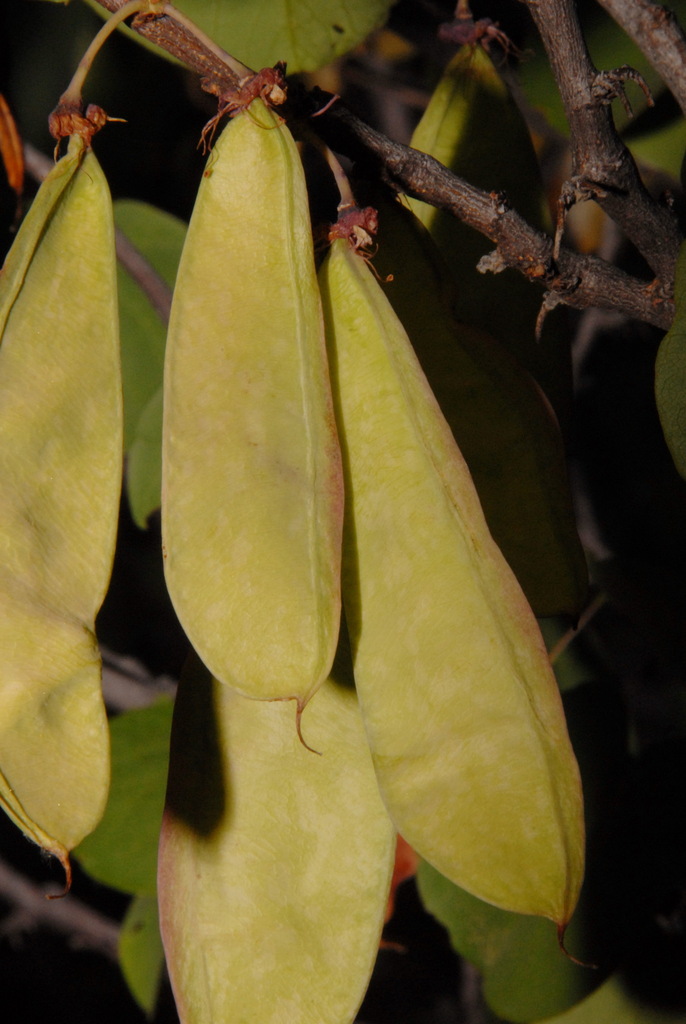
(c) Brian Finzel, some rights reserved (CC BY-SA), uploaded by Brian Finzel · licence
Family: Fabaceae · Type: Shrub · Native
Cercis occidentalis (Western redbud) is a native California shrub in the Fabaceae family, recognized by Only California member of redbud genus, unique among legumes for simple heart-shaped leaves and flowers on bare bark.
Western redbud is a California native shrub found in northwestern California, the Cascade Range, Sierra Nevada, Great Valley, San Francisco Bay Area, southern Coast Ranges, southern California mountains, San Bernardino Mountains, Peninsular Ranges, and Modoc Plateau in dry, shrubby slopes, canyons, streambanks, chaparral, foothill woodland, and yellow-pine forest at elevations of 100 to 1,500 meters. Flowering from March to May, this plant produces striking pink to magenta flowers clustered in small groups of 2 to 5 blossoms. Growing as a multi-stemmed shrub or small tree up to 7 meters tall with a graceful, spreading form, it develops smooth, glabrous branches. Its heart-shaped leaves are relatively small, typically less than 10 centimeters long, with leaf stalks 15 to 20 millimeters in length. The shrub produces distinctive elongated seed pods 5 to 8 centimeters long, adding visual interest to its landscape presence.
Identification and appearance
Key characters: Only California member of redbud genus, unique among legumes for simple heart-shaped leaves and flowers on bare bark
Habitat and range
Habitat: Dry, shrubby slopes, canyons, streambanks, chaparral, foothill woodland, yellow-pine forest
Elevation: 100-1500 m
California counties: Colusa, Kern, Shasta, Los Angeles, Mendocino, San Diego, Tehama, Siskiyou, Trinity, Fresno, Tulare, Humboldt, Mariposa, Tuolumne, Lake, Butte, San Luis Obispo, Yolo, Napa, San Bernardino, Santa Clara, El Dorado, Modoc, Plumas, Solano, Sonoma, Placer, Sutter, Santa Barbara, Nevada, Calaveras, Sacramento, Glenn, Amador, Merced, Yuba, Madera, Lassen, Ventura, San Joaquin, Stanislaus
Outside California: to southwestern Oregon, Utah, Texas
Bloom period
Cercis occidentalis blooms Mar-May.
How to tell it apart
vs Cercidiphyllum: Cercis flowers are bright pink and pea-shaped; Cercidiphyllum has tiny inconspicuous flowers.; vs Prunus: Cercis has heart-shaped leaves and magenta pea-flowers; Prunus has oval leaves and pink/white 5-petaled flowers.; vs Bauhinia: Cercis has simple heart-shaped leaves; Bauhinia leaves are deeply two-lobed at the tip.; vs Euphorbia: Cercis has magenta pea-flowers and woody growth; Euphorbia has tiny flowers with milky sap.; vs Populus: Cercis blooms magenta on bare branches; Populus has catkins and triangular-oval leaves.
Frequently asked questions
Is Cercis occidentalis native to California?
Yes. Cercis occidentalis is native to California (recorded as native).
When does Cercis occidentalis bloom?
Cercis occidentalis blooms Mar-May.
Where in California does Cercis occidentalis grow?
Cercis occidentalis occurs in Colusa, Kern, Shasta, Los Angeles, Mendocino, San Diego, Tehama, Siskiyou and other counties, at elevations of 100-1500 m.
What plant family does Cercis occidentalis belong to?
Cercis occidentalis is in the Fabaceae family, genus Cercis.
What habitat does Cercis occidentalis grow in?
Cercis occidentalis grows in Dry, shrubby slopes, canyons, streambanks, chaparral, foothill woodland, yellow-pine forest.
Related species
Other California species in the same genus, family, or bioregion.
Sources: Jepson eFlora · Index of California Plant Names · CalPhotos
Last updated 2026-09-30
Data from The California Species Project — 14,000+ California species with verified data from CNPS, CDFW, USFWS, Cal-IPC, and more.