Chaenactis glabriuscula var. heterocarpha
Inner coast range pincushion, Inner Coast Range Pincushion
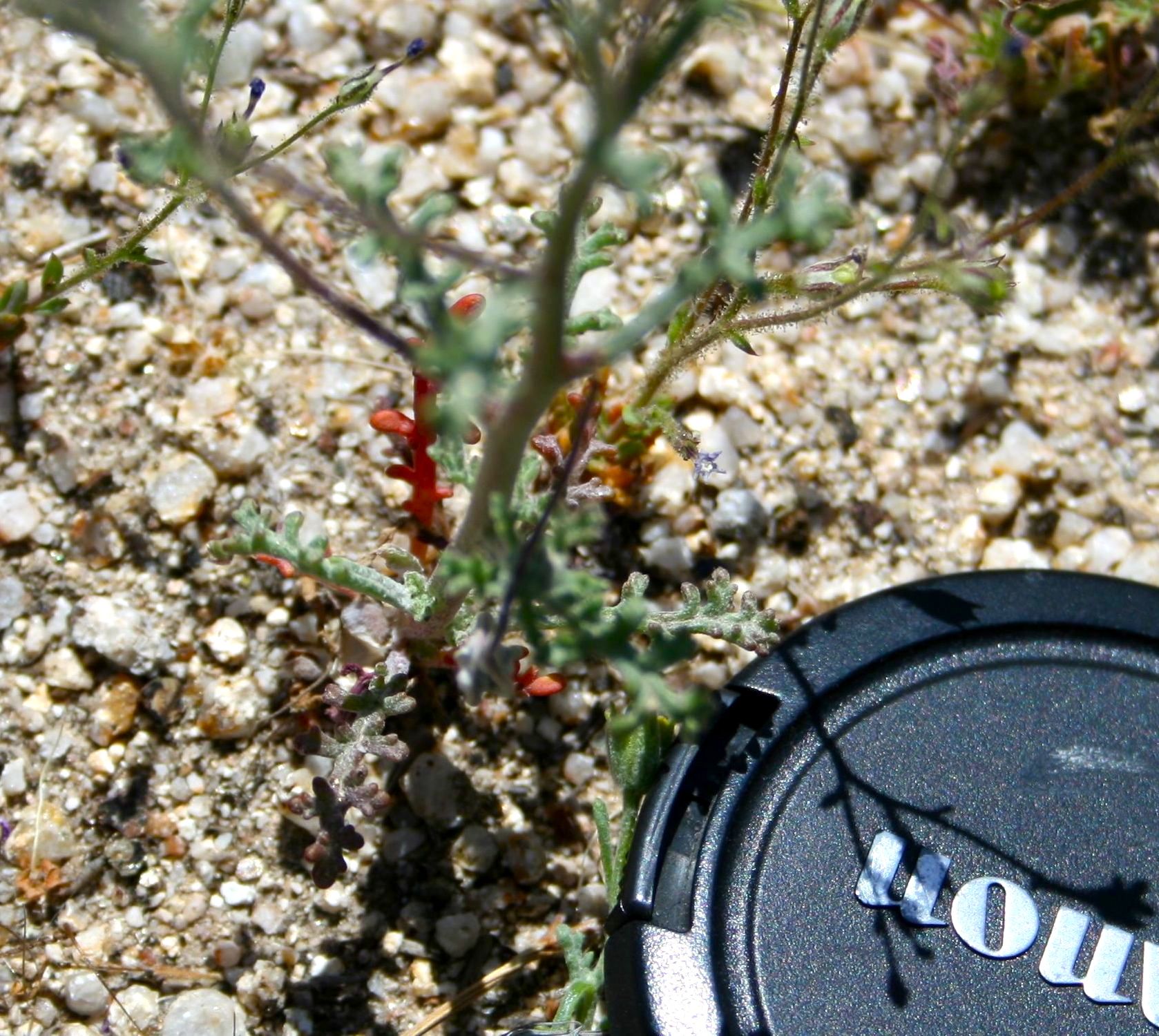
Photo: parent species Chaenactis glabriuscula · Photo by Chez Brungraber
Family: Asteraceae · Type: Herb · Native
Chaenactis glabriuscula var. heterocarpha (Inner coast range pincushion) is a native California herb in the Asteraceae family, recognized by yellow flowers and 2-seriate pappus.
Inner coast range pincushion is a California native annual found in southern Klamath Ranges, northern Coast Ranges, northern California, Cascade Ranges, northern and central Sierra Nevada Foothills, central Sierra Nevada, Sacramento Valley edges, and central western California in slopes, ridges, and openings in chaparral and woodland, generally on serpentine or shale at elevations of 100 to 1,500 meters. Flowering from March to June, this plant produces white to cream-colored flowers in heads 1 to 5 per stem, with involucres 6 to 10 millimeters long. Growing 6 to 40 centimeters tall with generally 1 to 5 erect to spreading stems and branches both proximal and distal, it has a distinctive growth pattern. Its leaves are 1 to 6 centimeters long, with largest blades that are 2-pinnately lobed, having 2 to 7 pairs of slightly curled or twisted leaf lobes. The fruit ranges 4 to 9 millimeters long, with an inner pappus of 7 to 8 scales in two unequal series.
Identification and appearance
Key characters: 14 sympatric species; key features are yellow flowers and 2-seriate pappus
Habitat and range
Habitat: Slopes, ridges, openings in chaparral, woodland, generally serpentine or shale
Elevation: 100-1500(1900) m
Bloom period
Chaenactis glabriuscula var. heterocarpha blooms Mar-Jun.
How to tell it apart
vs Eriophyllum: Eriophyllum has obvious yellow ray flowers; Chaenactis completely lacks rays; vs Lasthenia: Lasthenia has bright yellow rays; Chaenactis rayless with white/purple tubular flowers only; vs Malacothrix: Malacothrix has all strap-shaped flowers and milky sap; Chaenactis all tubular, clear sap; vs Eriogonum: Eriogonum flowers have 6 segments in ball-like clusters; Chaenactis typical composite heads; vs Uropappus: Uropappus has all strap-shaped yellow flowers; Chaenactis all tubular white/purple flowers
Frequently asked questions
Is Chaenactis glabriuscula var. heterocarpha native to California?
Yes. Chaenactis glabriuscula var. heterocarpha is native to California (recorded as native).
When does Chaenactis glabriuscula var. heterocarpha bloom?
Chaenactis glabriuscula var. heterocarpha blooms Mar-Jun.
What plant family does Chaenactis glabriuscula var. heterocarpha belong to?
Chaenactis glabriuscula var. heterocarpha is in the Asteraceae family, genus Chaenactis.
What habitat does Chaenactis glabriuscula var. heterocarpha grow in?
Chaenactis glabriuscula var. heterocarpha grows in Slopes, ridges, openings in chaparral, woodland, generally serpentine or shale.
Related species
Other California species in the same genus, family, or bioregion.
- Chaenactis glabriuscula var. lanosa — Sand buttons
- Chaenactis glabriuscula var. megacephala — Big headed yellow chaenactis
- Chaenactis glabriuscula var. orcuttiana — Orcutt's pincushion
- Chaenactis macrantha — Mojave pincushion
- Chaenactis nevadensis — Sierra pincushion
- Chaenactis parishii — Parish's chaenactis
Sources: Jepson eFlora · Index of California Plant Names · CalPhotos
Last updated 2026-10-07
Data from The California Species Project — 14,000+ California species with verified data from CNPS, CDFW, USFWS, Cal-IPC, and more.