Cinna latifolia
Drooping woodreed, slender woodreed, Slender Woodreed
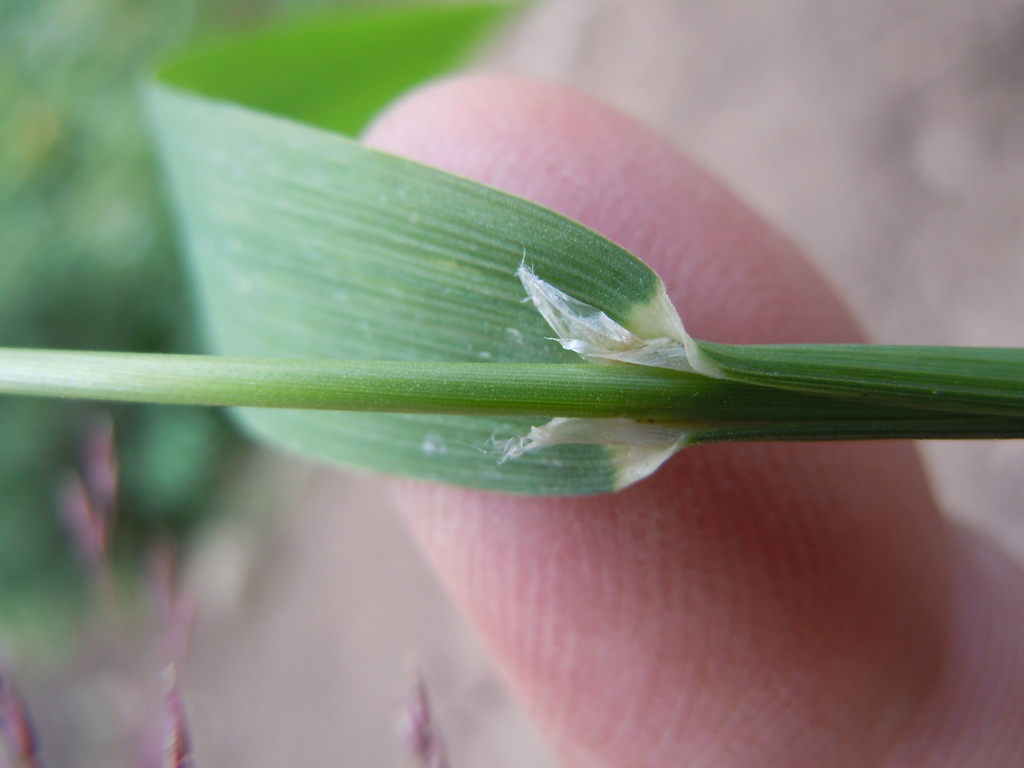
(c) Matt Lavin, some rights reserved (CC BY-SA) · licence
Family: Poaceae · Type: Grass · Native
Cinna latifolia (Drooping woodreed) is a native California grass in the Poaceae family.
Drooping woodreed is a California native perennial found in the Klamath Ranges, northern Coast Ranges, California Cascade Range, and northern Sierra Nevada Mountains in streambanks, wet meadows, and moist conifer forest sites at elevations of 1,350 to 2,800 meters. Flowering from July to August, this plant produces green to purple-tinged grass-like inflorescences 3 to 46 centimeters long with delicate, nodding flower clusters. Growing with tall, slender stems 20 to 190 centimeters in height, it develops gracefully arching grass blades up to 28 centimeters long and 1 to 20 millimeters wide. Its leaf blades feature ligules 2 to 8 millimeters long, with fine, soft texture characteristic of woodland grass species. The plant's small spikelets have glumes 2.5 to 4 millimeters long, with lemmas measuring 2 to 4 millimeters and sometimes bearing a short awn.
Identification and appearance
Key characters: Geographically isolated species with no sympatric congeners
Habitat and range
Habitat: Streambanks, wet meadows, moist sites in conifer forest
Elevation: 1350-2800 m
California counties: Alpine, Butte, El Dorado, Humboldt, Lassen, Nevada, Siskiyou, Tulare, Mono, Ventura, Tuolumne, Tehama, Shasta, Glenn, Placer, Plumas, Sierra, Santa Barbara, Calaveras, Mendocino, San Bernardino, Mariposa, Madera
Outside California: circumboreal
Bloom period
Cinna latifolia blooms Jul-Aug.
How to tell it apart
vs Apera: Apera is an annual with drooping panicles; Cinna is perennial in moist forest shade.; vs Calamagrostis: Calamagrostis has 3 stamens and hairy callus; Cinna has 1-2 stamens.; vs Ammophila: Ammophila forms dense cylindrical spikes on beaches; Cinna has open panicles in forests.
Frequently asked questions
Is Cinna latifolia native to California?
Yes. Cinna latifolia is native to California (recorded as native).
When does Cinna latifolia bloom?
Cinna latifolia blooms Jul-Aug.
Where in California does Cinna latifolia grow?
Cinna latifolia occurs in Alpine, Butte, El Dorado, Humboldt, Lassen, Nevada, Siskiyou, Tulare and other counties, at elevations of 1350-2800 m.
What plant family does Cinna latifolia belong to?
Cinna latifolia is in the Poaceae family, genus Cinna.
What habitat does Cinna latifolia grow in?
Cinna latifolia grows in Streambanks, wet meadows, moist sites in conifer forest.
Related species
Other California species in the same genus, family, or bioregion.
Sources: Jepson eFlora · Index of California Plant Names · CalPhotos
Last updated 2026-10-07
Data from The California Species Project — 14,000+ California species with verified data from CNPS, CDFW, USFWS, Cal-IPC, and more.