Dicoria canescens
Desert dicoria
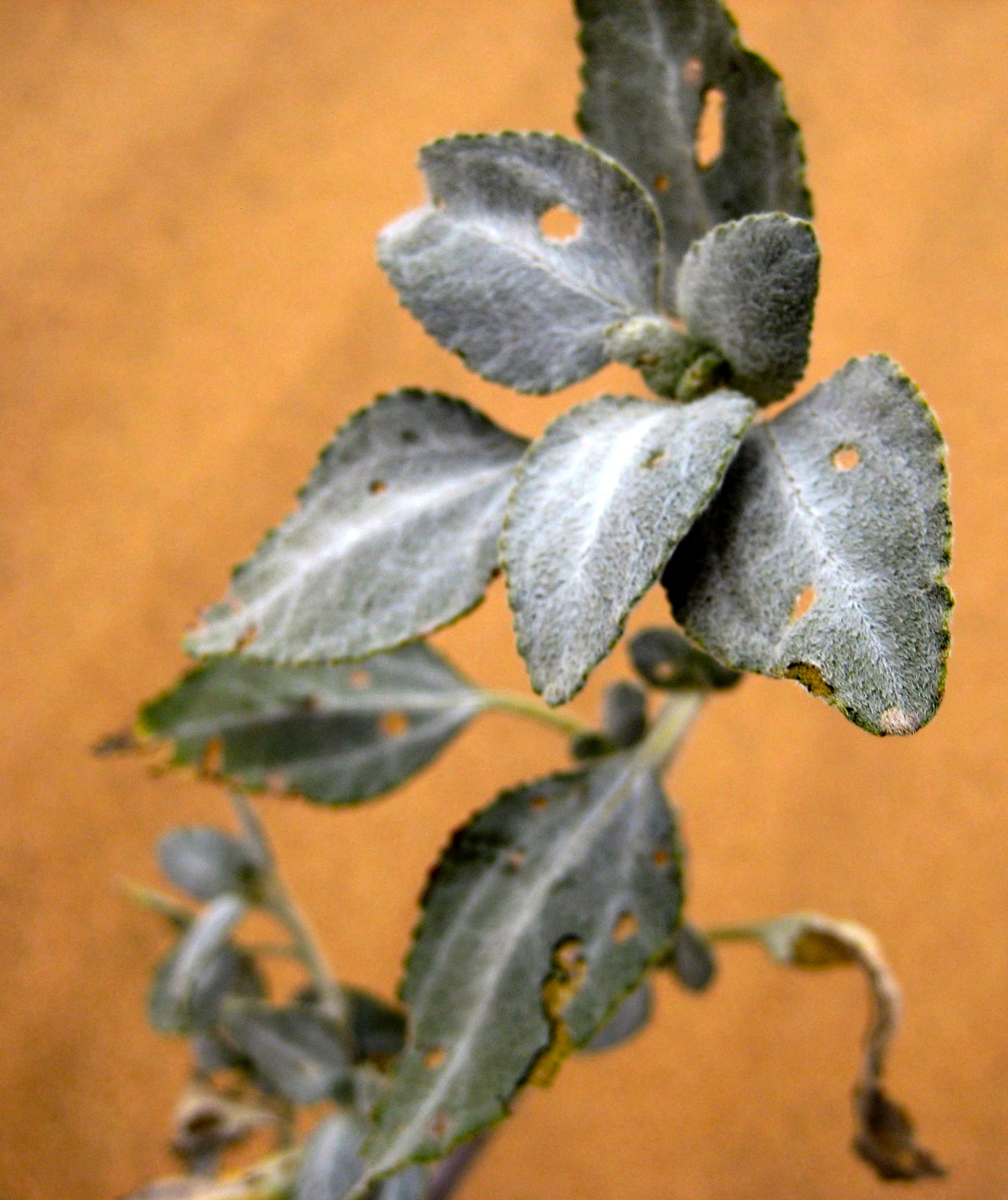
Photo by Chez Brungraber
Family: Asteraceae · Type: Herb · Native
Dicoria canescens (Desert dicoria) is a native California herb in the Asteraceae family, recognized by Southwestern desert genus reaching its western limit in California's hottest desert regions.
Desert dicoria is a California native perennial found in southern California coastal areas, the southern eastern desert regions, and Colton Dunes in San Bernardino County in alkaline or sandy soils, dunes, and washes at elevations below 1,300 meters. Flowering from September to January, this plant produces white to cream-colored flowers in small clusters with delicate, minutely hairy involucres. Growing with branching stems 20 to 40 centimeters tall, it has a distinctive branching habit that allows it to spread across sandy terrain. Its leaves are relatively small, with blades 1 to 3 centimeters long and 3 to 20 millimeters wide, featuring petioles 5 to 20 millimeters in length. The fruit is 3 to 8 millimeters long, nestled within glandular-hairy, hood-shaped inner phyllaries.
Identification and appearance
Key characters: Southwestern desert genus reaching its western limit in California's hottest desert regions
Habitat and range
Habitat: Alkaline or sandy soils, dunes, washes, flats
Elevation: < 1300 m
Outside California: to Colorado, New Mexico, northwestern Mexico
Bloom period
Dicoria canescens blooms Sep-Jan.
How to tell it apart
vs Tidestromia: Tidestromia has tiny separate flowers in leaf axils; Dicoria has composite heads in branched clusters.; vs Marrubium: Marrubium has square stems and whorled mint flowers; Dicoria has round stems and composite heads.; vs Ambrosia: Ambrosia has separate male and female heads; Dicoria has bisexual disk flowers in branched clusters.; vs Encelia: Encelia has large solitary daisy-like heads; Dicoria has small heads in elongated branched clusters.; vs Atriplex: Atriplex has tiny wind-pollinated flowers with papery bracts; Dicoria has composite flower heads.
Frequently asked questions
Is Dicoria canescens native to California?
Yes. Dicoria canescens is native to California (recorded as native).
When does Dicoria canescens bloom?
Dicoria canescens blooms Sep-Jan.
What plant family does Dicoria canescens belong to?
Dicoria canescens is in the Asteraceae family, genus Dicoria.
What habitat does Dicoria canescens grow in?
Dicoria canescens grows in Alkaline or sandy soils, dunes, washes, flats.
Related species
Other California species in the same genus, family, or bioregion.
Sources: Jepson eFlora · Index of California Plant Names · CalPhotos
Last updated 2026-10-07
Data from The California Species Project — 14,000+ California species with verified data from CNPS, CDFW, USFWS, Cal-IPC, and more.