Draperia systyla
Draperia
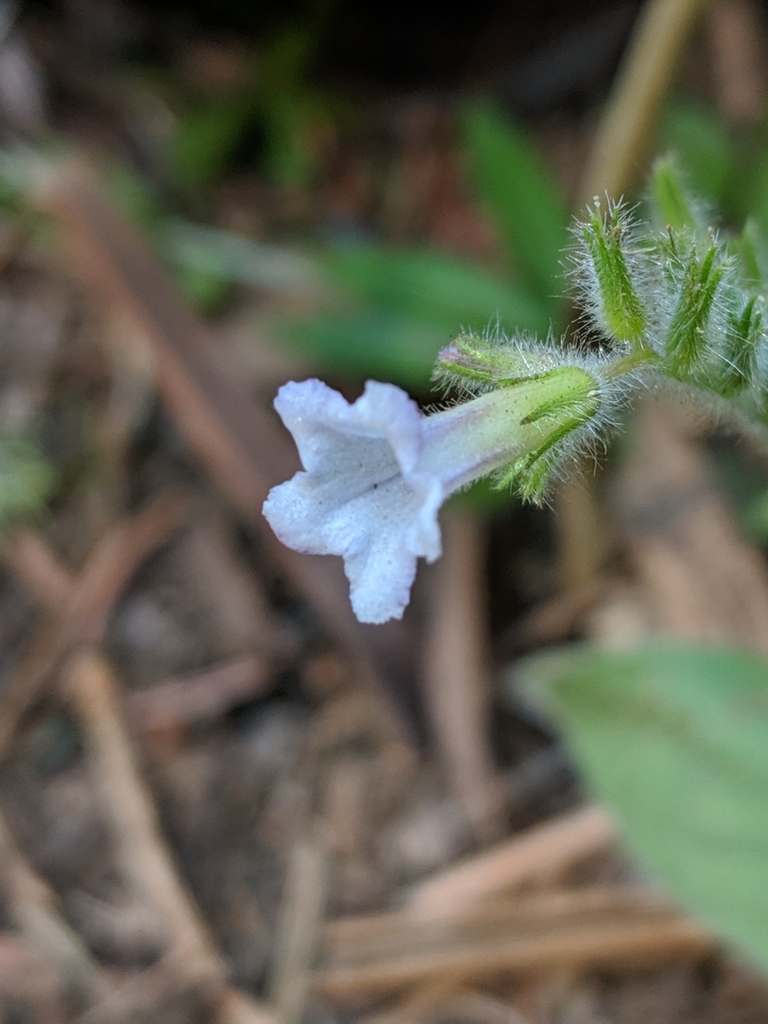
no rights reserved · CC0
Family: Hydrophyllaceae · Type: Subshrub · Native
Draperia systyla (Draperia) is a native California subshrub in the Hydrophyllaceae family, recognized by Monotypic genus endemic to California and southern Oregon, representing a woody evolutionary line within Hydrophyllaceae.
Draperia is a California native perennial found in the Klamath Ranges, high Cascade Range, and Sierra Nevada in woodland, talus, and rock crevices at elevations of 90 to 2,700 meters. Flowering from May to October, this plant produces white to pink or lavender flowers in delicate tubular-funnel-shaped blossoms 10 to 14 millimeters long. Growing 1 to 4 decimeters tall with erect, generally simple stems that are woody at the base and covered in soft hairs, it spreads through rhizomatous vegetative stems. Its opposite cauline leaves range from 1 to 5 centimeters long, with proximal leaves short-petioled and distal leaves sessile, creating a distinctive branching pattern. The fruit is small and spherical, 1.5 to 3 millimeters long, with seeds that are dark or red-brown and intricately textured.
Identification and appearance
Key characters: Monotypic genus endemic to California and southern Oregon, representing a woody evolutionary line within Hydrophyllaceae
Habitat and range
Habitat: Woodland, talus, rock crevices
Elevation: 90-2700 m
California counties: Fresno, Tulare, Sierra, Butte, Trinity, Tuolumne, Placer, Plumas, Nevada, Mariposa, El Dorado, Yuba, Siskiyou, Shasta, Humboldt, Madera, Alpine
Bloom period
Draperia systyla blooms May-Oct.
How to tell it apart
vs Phacelia: Draperia has opposite, entire leaves and a single long protruding style; most Phacelia have alternate, often lobed or divided leaves and a coiled (scorpioid) flower cluster.; vs Nama: Draperia is a soft, rhizomatous, trailing montane herb with opposite leaves; Nama has alternate leaves and 2 separate styles.; vs Eriodictyon: Draperia is a low soft-hairy herb to weak subshrub; Eriodictyon (yerba santa) is an erect evergreen shrub with resinous or woolly, often sticky leaves.; vs Hydrophyllum: Draperia has entire opposite leaves; Hydrophyllum (waterleaf) has pinnately lobed or divided leaves and stamens protruding well past the corolla.; vs Nemophila: Draperia is a perennial to subshrub with entire opposite leaves and a long style; Nemophila is a delicate annual with lobed leaves and broad bowl-shaped flowers.
Frequently asked questions
Is Draperia systyla native to California?
Yes. Draperia systyla is native to California (recorded as native).
When does Draperia systyla bloom?
Draperia systyla blooms May-Oct.
Where in California does Draperia systyla grow?
Draperia systyla occurs in Fresno, Tulare, Sierra, Butte, Trinity, Tuolumne, Placer, Plumas and other counties, at elevations of 90-2700 m.
What plant family does Draperia systyla belong to?
Draperia systyla is in the Hydrophyllaceae family, genus Draperia.
What habitat does Draperia systyla grow in?
Draperia systyla grows in Woodland, talus, rock crevices.
Related species
Other California species in the same genus, family, or bioregion.
Sources: Jepson eFlora · Index of California Plant Names · CalPhotos
Last updated 2026-10-07
Data from The California Species Project — 14,000+ California species with verified data from CNPS, CDFW, USFWS, Cal-IPC, and more.