Glinus radiatus
Shining damascisa, Shining Damascisa
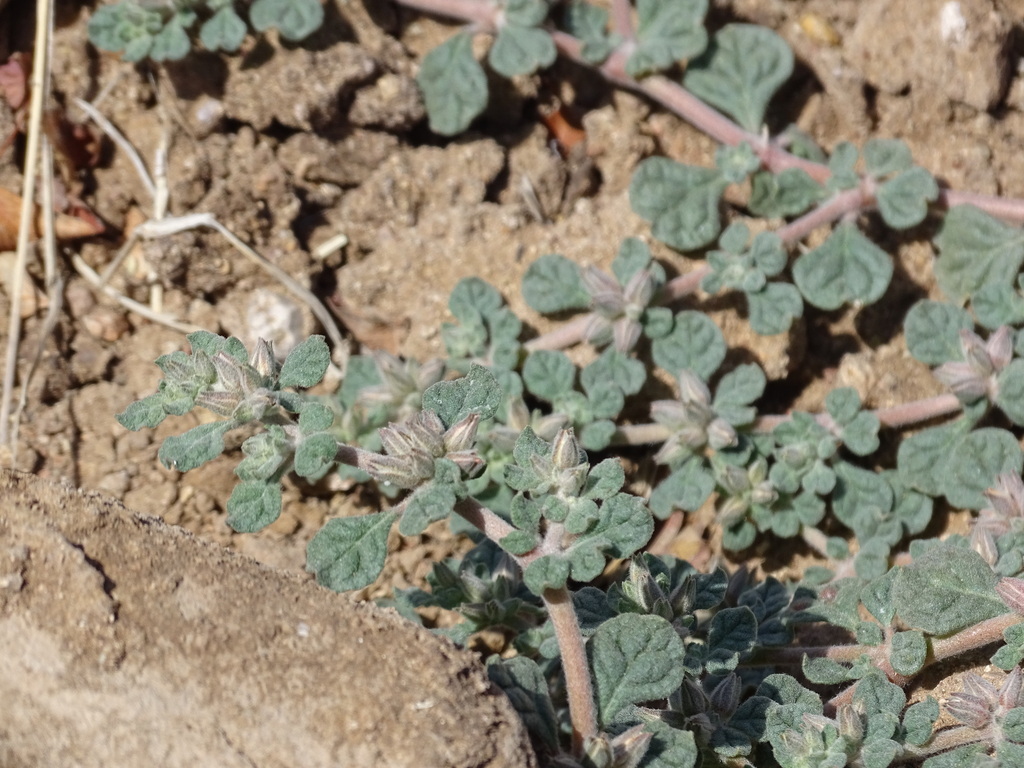
(c) Alexis López Hernández, some rights reserved (CC BY) · licence
Family: Molluginaceae · Type: Herb · Not Native
Glinus radiatus (Shining damascisa) is a non-native California herb in the Molluginaceae family.
Shining damascisa is a naturalized annual herb found in the Sacramento Valley and Peninsular Ranges in moist or seasonally dry wetland margins at elevations of 100 to 450 meters. Flowering from June to September, this plant produces small white flowers in clusters of 3 to 11 blossoms. Growing with spreading stems 8 to 50 centimeters tall, it has a delicate, sprawling growth habit. Its leaves are obovate to elliptic, 5 to 25 millimeters long, ranging from green to gray-green with short petioles. The tiny reddish-brown seeds are less than half a millimeter long, contributing to the plant's subtle charm.
Identification and appearance
Key characters: 1 sympatric species. Key differentiator is sepal length and more restricted geographic range.
Habitat and range
Habitat: Uncommon. Moist or seasonally dry margins of wetlands
Elevation: 100-450 m
Outside California: to Louisiana, native to tropical America
Bloom period
Glinus radiatus blooms Jun-Sep.
How to tell it apart
vs Mollugo: Glinus is hairy with flowers on short thick stalks; Mollugo is completely smooth with flowers on long thin stalks.
Frequently asked questions
Is Glinus radiatus native to California?
No. Glinus radiatus is not native to California (recorded as not native).
When does Glinus radiatus bloom?
Glinus radiatus blooms Jun-Sep.
What plant family does Glinus radiatus belong to?
Glinus radiatus is in the Molluginaceae family, genus Glinus.
What habitat does Glinus radiatus grow in?
Glinus radiatus grows in Uncommon. Moist or seasonally dry margins of wetlands.
Related species
Other California species in the same genus, family, or bioregion.
Sources: Jepson eFlora · CalPhotos
Last updated 2026-10-07
Data from The California Species Project — 14,000+ California species with verified data from CNPS, CDFW, USFWS, Cal-IPC, and more.