Heterotheca sessiliflora
Sessileflower goldenaster, Sessileflower Goldenaster
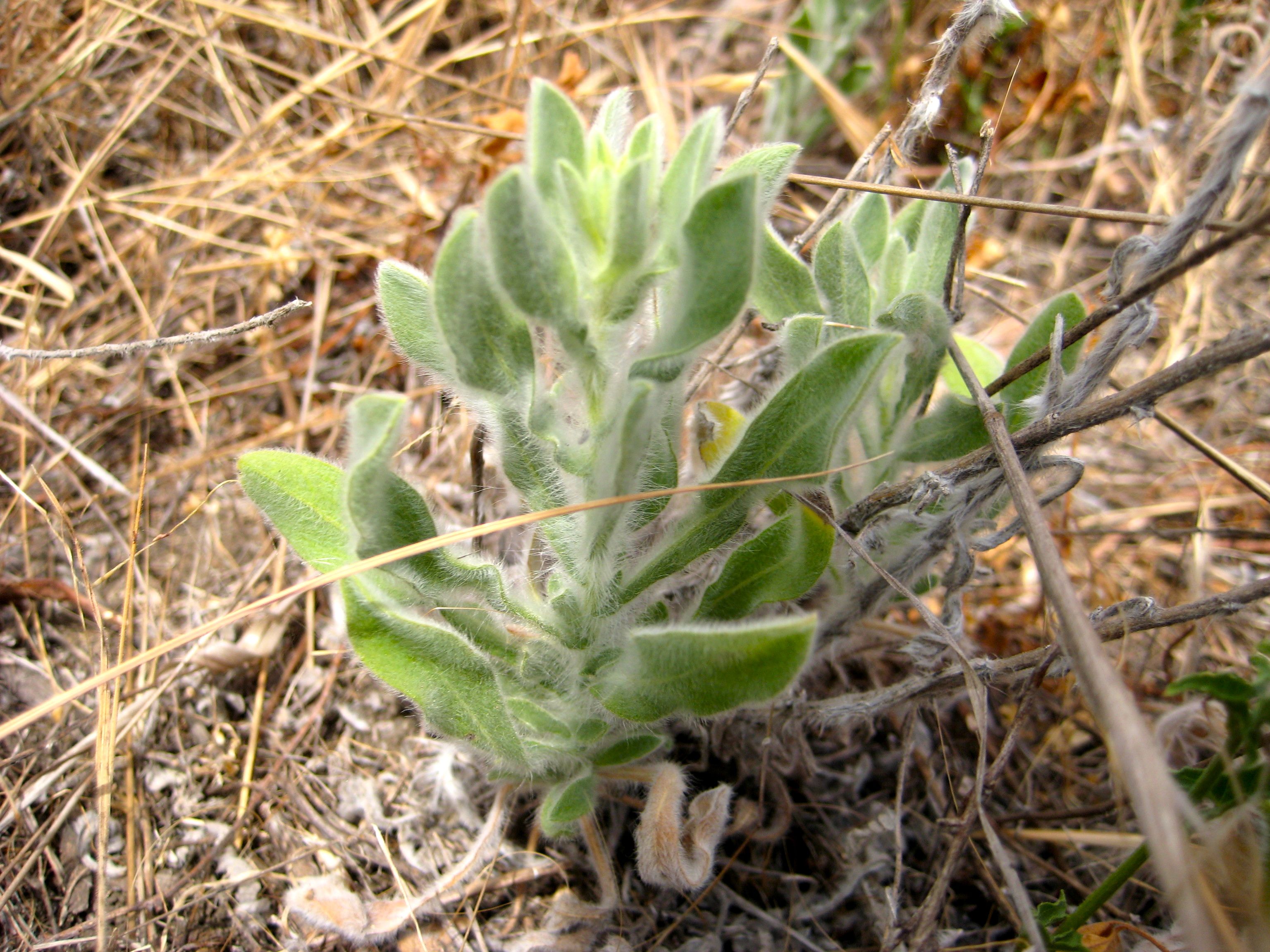
Photo by Chez Brungraber
Family: Asteraceae · Type: Subshrub · Native
Heterotheca sessiliflora (Sessileflower goldenaster) is a native California subshrub in the Asteraceae family.
Sessileflower goldenaster is a California native perennial herb found in dry, open habitats across California's coastal and interior regions. Flowering from May to October, this plant produces bright yellow ray flowers 7 to 15 millimeters long in distinctive clusters with numerous disk flowers. Growing with decumbent to erect stems 20 to 70 centimeters tall that are bristly and glandular, especially toward the top of the plant. Its leaves vary from oblanceolate basal forms that often wither during flowering to sessile, lanceolate mid-stem leaves that are densely bristly and glandular. The plant's inflorescence features numerous flower heads arranged in flat-topped or panicle-like clusters with involucres 8 to 14 millimeters long.
How to tell it apart
vs Grindelia: Heterotheca has multi-layered bracts; Grindelia bracts curve backward and flower buds are sticky-resinous.; vs Isocoma: Heterotheca has conspicuous yellow ray petals; Isocoma has only disk flowers (no rays).; vs Erigeron: Heterotheca rays are yellow and 3-12mm; Erigeron rays are white/purple/pink and typically numerous.; vs Laennecia: Heterotheca has showy 3-12mm yellow rays; Laennecia has tiny inconspicuous white rays.; vs Verbascum: Heterotheca has composite flower heads with bracts; Verbascum has simple 5-petaled flowers on tall spikes.
Frequently asked questions
Is Heterotheca sessiliflora native to California?
Yes. Heterotheca sessiliflora is native to California (recorded as native).
What plant family does Heterotheca sessiliflora belong to?
Heterotheca sessiliflora is in the Asteraceae family, genus Heterotheca.
Related species
Other California species in the same genus, family, or bioregion.
Sources: Jepson eFlora · Index of California Plant Names · CalPhotos
Last updated 2026-10-07
Data from The California Species Project — 14,000+ California species with verified data from CNPS, CDFW, USFWS, Cal-IPC, and more.