Kobresia myosuroides
Seep kobresia, Seep Kobresia
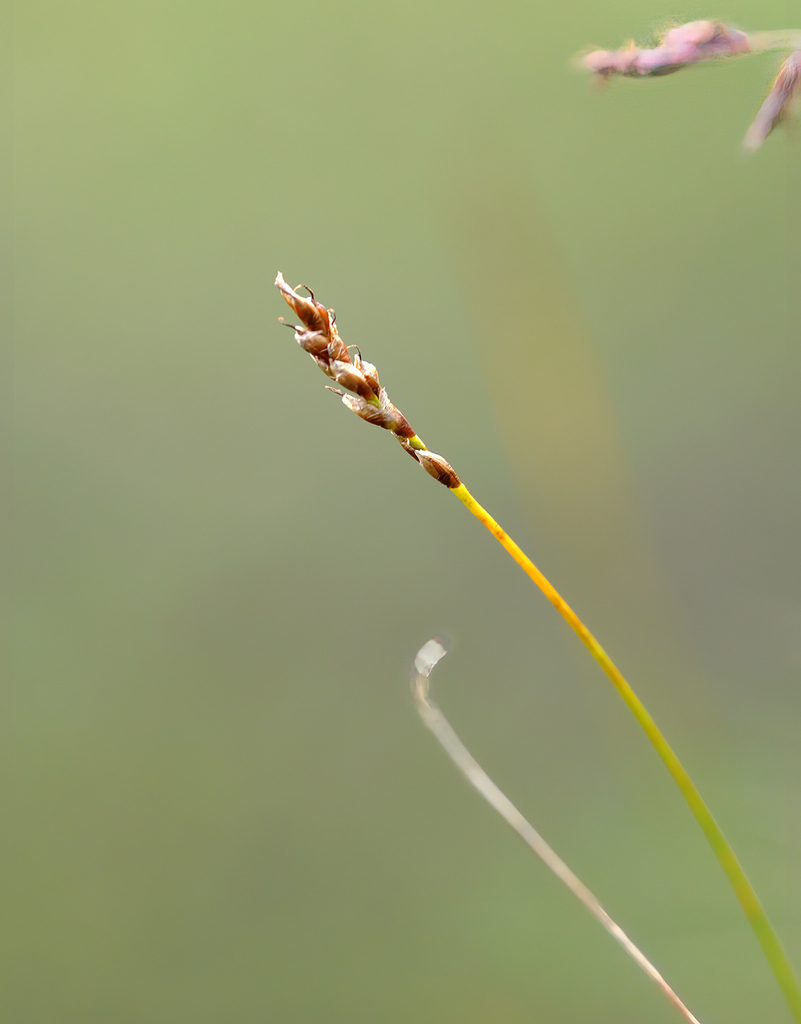
(c) Pål A. Olsvik, some rights reserved (CC BY) · licence
Family: Cyperaceae · Type: Grass · Native
Conservation status: CNPS 2B.2
Kobresia myosuroides (Seep kobresia) is a native California grass in the Cyperaceae family, recognized by Circumboreal relict - isolated high-elevation population of an arctic genus.
Seep kobresia is a rare California native perennial ranked 2B.2 by CNPS, found in the central Sierra Nevada Mountains at elevations above 2,700 meters in rocky seep habitats. Flowering in August, this plant produces small, delicate flowers in dense spikes 10 to 30 millimeters long. Growing with slender, wiry stems 10 to 35 centimeters tall, it forms a compact clump with thread-like leaves less than half a millimeter wide. Its leaves are characterized by persistent brown, glossy bases and extend to approximately the same height as the stem. The plant produces small fruits 2 to 2.7 millimeters long with short beaks, contributing to its distinctive alpine meadow appearance.
Identification and appearance
Key characters: Circumboreal relict - isolated high-elevation population of an arctic genus
Habitat and range
Habitat: Rocky seeps
Elevation: > 2700 m
Outside California: circumboreal
Bloom period
Kobresia myosuroides blooms Aug.
Conservation status
CNPS 2B.2
How to tell it apart
vs Carex: Kobresia's seed sac splits along the side; Carex has a round opening at the tip.
Frequently asked questions
Is Kobresia myosuroides native to California?
Yes. Kobresia myosuroides is native to California (recorded as native).
When does Kobresia myosuroides bloom?
Kobresia myosuroides blooms Aug.
What plant family does Kobresia myosuroides belong to?
Kobresia myosuroides is in the Cyperaceae family, genus Kobresia.
Is Kobresia myosuroides rare or endangered?
Kobresia myosuroides carries California Rare Plant Rank 2B.2, state rank S2.
What habitat does Kobresia myosuroides grow in?
Kobresia myosuroides grows in Rocky seeps.
Related species
Other California species in the same genus, family, or bioregion.
Sources: Jepson eFlora · CalPhotos · CDFW CNDDB
Last updated 2026-10-07
Data from The California Species Project — 14,000+ California species with verified data from CNPS, CDFW, USFWS, Cal-IPC, and more.